
If you own a single-story ranch, your roof may be one of the easiest home styles for solar panel installation. The real question is not just “How big is the house?” but “How much electricity does it use?” This guide breaks down the solar panel cost for a ranch house, what changes the total cost, and how to compare solar quotes before installing solar.
Key Takeaways
- Most ranch homes in 2026 spend about $16,000–$32,000 on a 6–10 kW solar system before incentives. Older estimates using a 30% federal tax credit would drop that range to roughly $11,200–$22,400, but homeowner-owned systems placed in service after Dec. 31, 2025 generally no longer qualify for that federal credit.
- Electricity usage, not square footage, determines the system size and total cost of solar for a ranch house.
- Typical ranch homeowners can save $20,000–$45,000 on energy bills over 20–25 years, while broader estimates show homeowners save $37,000 to $154,000 over 25 years.
- Ranch houses have large, single-level rooflines that maximize solar potential and can make installing solar panels simpler than on complex multi-story homes.
- Solar incentives, quality solar equipment, and the choice of solar installers are the biggest levers to save money and improve solar investment returns.
Average Solar Panel Cost for a Ranch House
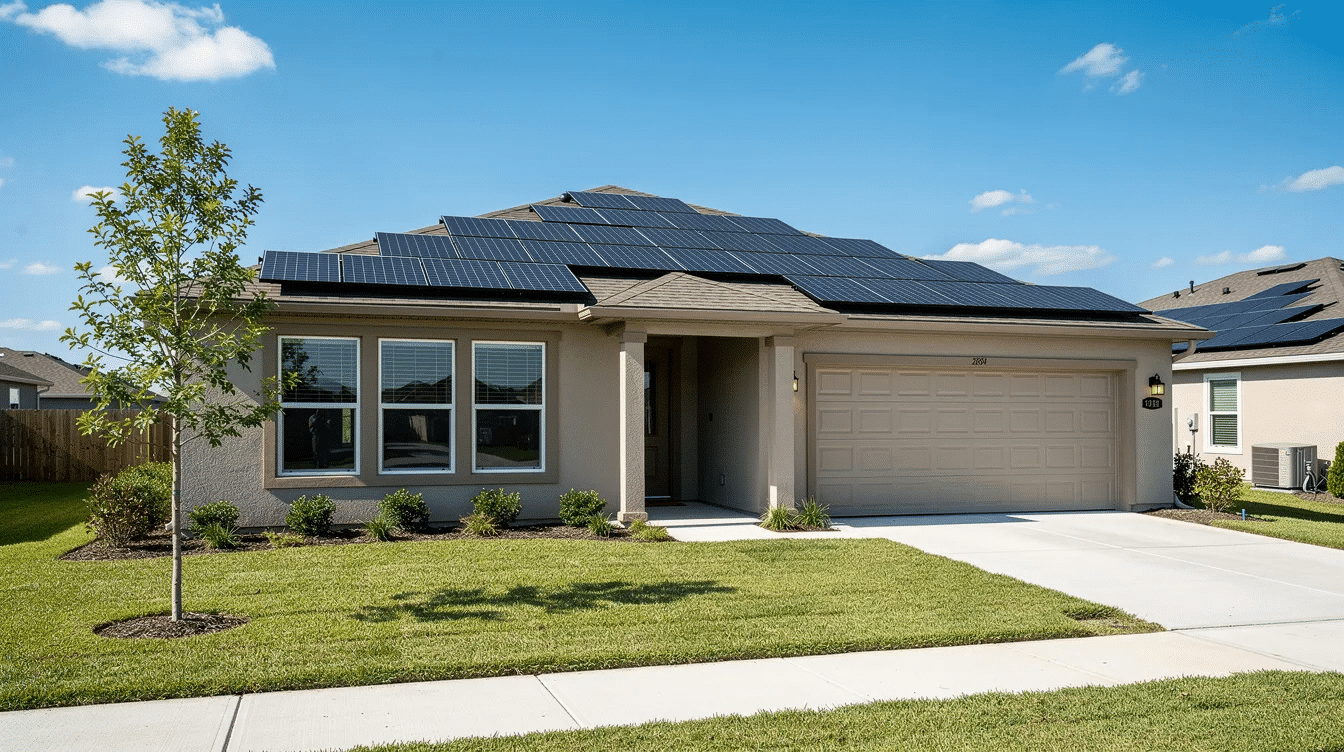
In the United States, solar system costs typically range from $2.50 to $3.30 per watt, with many 2026 benchmarks around $2.58–$2.66 per watt. Installing solar panels on a ranch house can cost between $15,000 and $30,000 before incentives, though a larger system can run higher. The average cost of residential solar panels is $30,505, and a 12 kW solar panel installation costs about $30,505 before incentives.
A three-bedroom ranch with a $130 monthly bill might need a 7.5 kW solar panel system. At about $2.80/W, the initial cost would be near $21,000 before available incentives. If comparing to older 30% federal solar tax credit math, that would be about $14,700 after tax credits. Current 2026 homeowners should verify eligibility carefully, because state incentives and local incentives now matter more, especially when you compare those system sizes with average ranch house dimensions and layouts.
System size | Approx. cost before incentives | Typical bill offset |
|---|---|---|
6 kW | $15,000–$19,800 | 60%–75% |
7.5 kW | $18,750–$24,750 | 70%–85% |
10 kW | $25,000–$33,000 | 80%–100% |
Most solar systems pay for themselves through energy savings in 5 to 8 years in strong markets, while the typical payback period for solar systems is 6 to 10 years. In 2026, many ranch projects land closer to an 8–14 year solar payback period when federal incentives are unavailable. Still, solar panels typically pay for themselves in 10 years or less in high-rate areas with strong net metering. |
Does House Size Matter for Solar on a Ranch Home?
House size matters less than how much energy the home uses. Electricity consumption, not home size, determines solar panel needs. Two 1,800-square-foot ranch homes may need different solar systems if one has EV charging, electric heat, and a pool, while the other has gas appliances and efficient HVAC, even if both reflect the legacy of historic ranch houses in American architecture.
Most homeowners should review 12 months of electricity bills before calling a solar company. Typical ranch electricity usage often falls around 7,500–13,000 kWh per year, but a small house with high energy use needs more roof space for solar than a larger efficient home. Understanding standard ranch house sizes and features can also help you gauge how your home’s layout and square footage might influence energy use. Solar installers use historical electricity usage to design a solar energy system that offsets 80%–100% of grid consumption.

Electricity Usage Determines Solar Needs
Daily and seasonal patterns drive how many panels you need. A ranch using 900 kWh per month may need around 7 kW, while one using 1,400 kWh per month may need closer to 10 kW under average U.S. sun conditions.
A simple rule: divide average monthly kWh by 120–150 to estimate required kW. This varies depending on sunlight, panel angle, and your local utility rules.
Key points:
- Higher electricity usage requires a larger solar system.
- A typical home requires about 12 kW of solar energy, and some homeowners opt for log ranch homes with single-story log construction that can pair well with efficient solar layouts.
- Monthly savings from a solar system on a ranch home can offset 70% to 80% of energy consumption.
- Accurate usage data helps avoid paying for fewer panels than needed or oversizing with more money tied up than necessary.
Roof Size and Shape on Ranch Houses
Most ranch roofs have room for 20–35 panels. Solar panel systems typically require 250 to 350 square feet of roof space, and roof size must accommodate the number of solar panels needed. If you’re planning changes like a garage addition for your ranch home or a broader ranch home garage addition, factor future roof or structural modifications into your solar design timeline.
The roof’s characteristics matter more than the ranch label. South-facing, unshaded asphalt shingles usually generally cost less to work on. Nearby trees, chimneys, low-slope sections, or old roofing can add complexity. A simple unshaded ranch might support an 8 kW solar system at $22,000, while a partially shaded roof may require optimizers, extra panels, or layout changes that add $1,000–$3,000.
Factors That Affect Solar Panel Cost on a Ranch House
The total price of a solar system is calculated by its capacity in watts. Total cost also includes solar equipment, labor, permitting, inspection, overhead, and financing. System size significantly impacts solar installation costs, but a few factors can push the final cost up or down.
Primary cost drivers include:
- System size and energy needs
- Panel brand and efficiency
- Roof type, age, slope, and shading
- Labor and permitting costs
- Financing structure and monthly payment
- Available incentives from state, utility, or SREC programs
Solar Equipment: Panels, Inverters, and Extras
Solar equipment accounts for 50% to 60% of the total solar system cost, though some estimates put panels, inverters, racking, wiring, and other equipment around 45%–55%. Standard panels are usually most cost effective when roof space is generous. Premium panels cost more but can help a ranch with limited roof area produce the same amount of solar power with fewer panels.
Good-better-best choices:
- Good: standard panels, string inverters, basic monitoring.
- Better: higher-efficiency panels with optimizers for partial shade.
- Best: premium panels, microinverters, solar batteries, EV charger, advanced monitoring.
Solar batteries often add $8,000–$15,000 or more. They can be a viable option for backup power, but they increase upfront costs and may not always create significantly lower bills.
Roof Condition and Installation Method
Asphalt shingle ranch roofs are usually the simplest for installing solar. If the roof is 15–20 years old, replacing it first may add $7,000–$15,000, but it prevents future removal and reinstallation costs. Many homeowners coordinate solar with exterior updates that enhance curb appeal, especially on beautiful ranch homes where style meets functionality or projects that add stylish dormers on a ranch house.
Low-slope ranch roofs may need tilt racking. Ground-mounted solar can work well on larger ranch properties, but ground-mounted solar systems cost more than rooftop installations because of trenching, posts, and heavier racking. Rooftop systems are usually cheaper; ground mounts can produce more energy if they get better sun.
Solar Financing Terms and Their Impact
A cash purchase gives the strongest long term savings because there is no interest. Solar loans can eliminate upfront costs for homeowners, but interest increases the lifetime cost. Leases and PPAs may reduce responsibility for maintenance, but many homeowners give up ownership benefits and some solar incentives. The right financing choice should fit both your energy goals and your broader vision for your ideal ranch home style and layout.
Compare:
- Cash: highest savings, highest initial investment.
- Loan: lower upfront costs, predictable monthly payment.
- Lease/PPA: easier entry, usually lower solar savings and less property value upside.
Your Choice of Solar Installers
Solar quotes for the same ranch can differ by thousands of dollars. The lowest bid is not always best if the warranty, equipment, or workmanship is weak.
Look for:
- Licensed solar installers with ranch roof experience
- Clear equipment brands and production estimates
- Workmanship warranty and monitoring support
- Help with permitting, interconnection, and incentives
- Transparent added costs for roof work, trenching, or panel upgrades
Some installer or utility portals may show performing security verification during account setup. A security service may block malicious bots, display security verification, show verification successful, or ask you to respond ray id if support is needed. Beyond utility portals, many ranch owners also turn to dedicated communities that celebrate ranch style homes across the USA and highlight the best features of a classic ranch style house to trade lessons about solar, remodeling, and everyday living.
How to Estimate the Cost of Solar for Your Specific Ranch House
Step 1: Gather 12 months of bills and calculate annual electricity usage. Step 2: Estimate system size using monthly kWh divided by 120–150. Step 3: Multiply watts by local cost per watt. Step 4: subtract state incentives, utility rebates, and any available incentives.
Example: a ranch using 1,000 kWh per month in a mid-sun state may need an 8 kW system. At $2.75/W, the solar panel cost is about $22,000 before incentives. The cost of solar may fall with rebates, SRECs, state income tax credits, or sales/property tax exemptions.
Sample Cost Scenarios for Different Ranch Homes
A modest ranch with a 5 kW solar panel installation may cost $12,500–$16,500 before incentives and save around $800–$1,000 per year. A typical suburban ranch with a 7.5 kW solar system may cost $18,750–$24,750 before incentives and save around $1,200–$1,500 annually. A high-usage ranch with a pool may need a 10 kW system; a 10-kilowatt solar system saves about $1,440 per year and may cost $25,000–$33,000 before incentives. These examples line up with how a farm ranch house’s design and features and broader guidance on mastering the art of building a ranch can influence both energy needs and long-term costs.
The average homeowner saves around $1,500 annually on utility bills from solar energy, but potential savings depend on electric rates, net metering, and how much solar panels produce. Thoughtful design decisions—similar to those showcased in 10 amazing ranch homes that redefine comfort and style and other cute ranch house designs to inspire your dream home—can also improve natural light and efficiency, further boosting the impact of solar.
Solar Incentives and How They Reduce Ranch House Costs
The federal solar tax credit is 30% for residential systems in many published estimates, but the residential Section 25D credit expired for new homeowner-owned systems placed in service after Dec. 31, 2025. Commercial solar systems can qualify for 30-50% tax credits, and third-party-owned systems may follow different rules, so confirm details with a tax professional.
State and local incentives can significantly lower solar installation costs. State income tax credits may provide substantial incentives for solar installations, and many states offer additional cash rebates or solar renewable energy certificates. Net metering policies can provide bill credits for excess energy sent to the grid.
Check your state energy office, local utility, and the Database of State Incentives for Renewables & Efficiency before signing.
Leveraging Solar Incentives for Maximum Savings
To maximize savings:
- Ask every installer to list federal, state, utility, and SREC incentives separately.
- Confirm tax credits with a tax professional.
- Time the installation process around rebate deadlines.
- Compare ownership with lease/PPA structures before signing.
Stacked incentives can make installation costs significantly lower, especially in states with strong rebates and high electricity prices.
Solar Panel Cost vs. Long-Term Savings for Ranch Homes
The upfront cost can feel large, but the long-term math is why many homeowners still choose solar. A solar system can accumulate $37,000 to $61,000 in cumulative electricity savings over 25 years. A solar system can yield net savings of $40,000 to $60,000 over 25 years, and some homeowners save $37,000 to $154,000 over 25 years depending on rates and system performance.
The average ROI of solar panels is approximately 10%. Solar panels increase property value by an average of 6.8%, especially when the system is owned, well documented, and relatively new. Well-designed comfortable and stylish ranch homes, including cottage ranch style homes with inspiring designs, often see the biggest value bump when solar is integrated cleanly into the overall look and layout.
Reduced Energy Bills and Payback Period
After installing solar, electricity bills usually shrink but do not always disappear. Most homeowners still pay minimum grid connection charges, and net metering credits vary by utility.
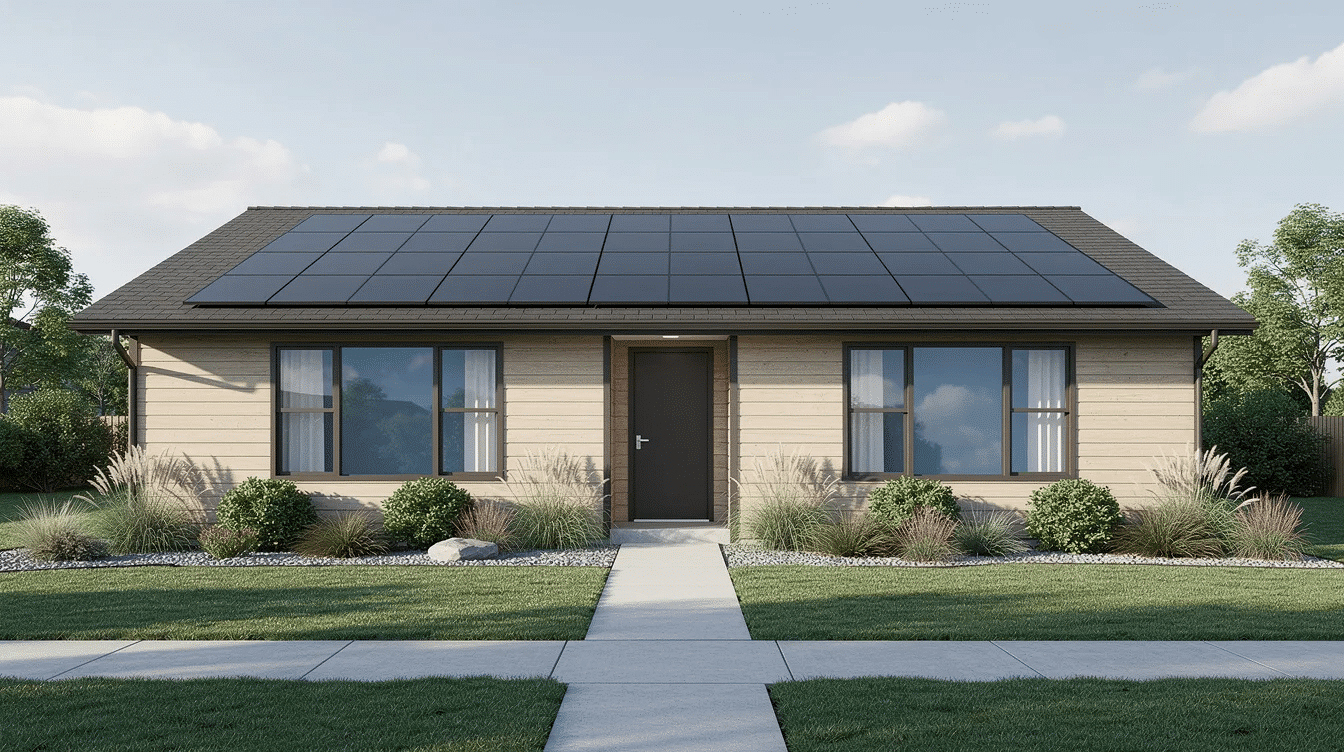
Simple payback period formula: divide net cost by annual savings. If a system costs $18,000 net and saves $1,500 per year, the payback period is 12 years. Monitoring apps help verify output and catch problems early.
Impact on Property Value for Ranch Houses
Owned solar panels can make a ranch more attractive to buyers who want single-story living and lower energy bills. Keep permits, warranties, production records, and utility savings documentation. Thoughtful exterior choices—such as bright, welcoming yellow ranch house designs or a clean, modern all white ranch house design—can work alongside solar to boost curb appeal. Leased systems or PPAs may add less value because the buyer must assume or renegotiate the contract.
How to Save on Solar Panels for Your Ranch House
To reduce the solar panel cost for a ranch house:
- Get at least three solar quotes.
- Right-size the system to your energy needs.
- Improve efficiency before installing solar.
- Choose standard panels if roof space is ample.
- Avoid oversized solar batteries unless backup power is important.
- Ask for side-by-side equipment tiers.
Choosing the Right Payment Method
Paying cash usually creates the most solar savings. Solar loans help homeowners avoid upfront costs, but fees and interest matter. Leases and PPAs can be useful if ownership is not practical, but they usually limit total savings, incentives, and property value gains. Always compare loan or lease payments against current electricity bills.
FAQ: Solar Panel Cost for a Ranch House
How many solar panels does a typical ranch house need?
Most ranch homes need 18–32 panels to offset most electricity usage. A smaller efficient ranch may need 16–20 panels, while a high-usage home may need 24–30 panels or more.
Is installing solar on a single-story ranch cheaper than on a two-story home?
Often, yes. A simple single-story ranch is easier and safer to access, which can reduce labor. However, roof complexity, shading, and roofing material matter more than story count alone.
Do I need a battery with solar on my ranch house?
No. Solar batteries are optional for most homeowners. They are best for backup power, frequent outages, or time-of-use electric rates, but they add substantial cost.
How long does it take to install solar panels on a ranch house?
The physical installation usually takes 1–3 days. The full project, including design, permits, inspections, and utility approval, often takes 4–10 weeks.
Will solar panels damage the roof of my ranch home?
Not when installed correctly. Licensed installers use flashing and mounting hardware designed to protect the roof. Have the roof inspected first so repairs happen before panels go on.