Texas houses with land for sale (TX) offer buyers remarkable diversity, from modest family homesteads on a few acres to expansive ranch properties spanning hundreds of acres. Texas (TX) features a diverse range of properties, including ranches, country homes, and acreage homes, catering to various lifestyle preferences and needs. Properties in Texas (TX) can vary significantly in size, with options ranging from small country homes on less than an acre to expansive ranches exceeding hundreds of acres. The availability of residential land in Texas varies significantly by region, with properties ranging from small lots to large tracts, and prices differing widely based on location and land usability. The state’s vast geography means you can find waterfront retreats in East Texas, rolling Hill Country estates in Central Texas, and affordable open range in South Texas and the western regions. Whether you’re seeking privacy, agricultural potential, or simply room to breathe, properties with acreage deliver space that suburban lots simply cannot match. With land values continuing to appreciate—rural Texas land averages around $5,150 per acre while agricultural land sits near $2,970 per acre—buying a home with land represents both a lifestyle upgrade and a solid investment opportunity.
Texas Houses with Land for Every Purpose
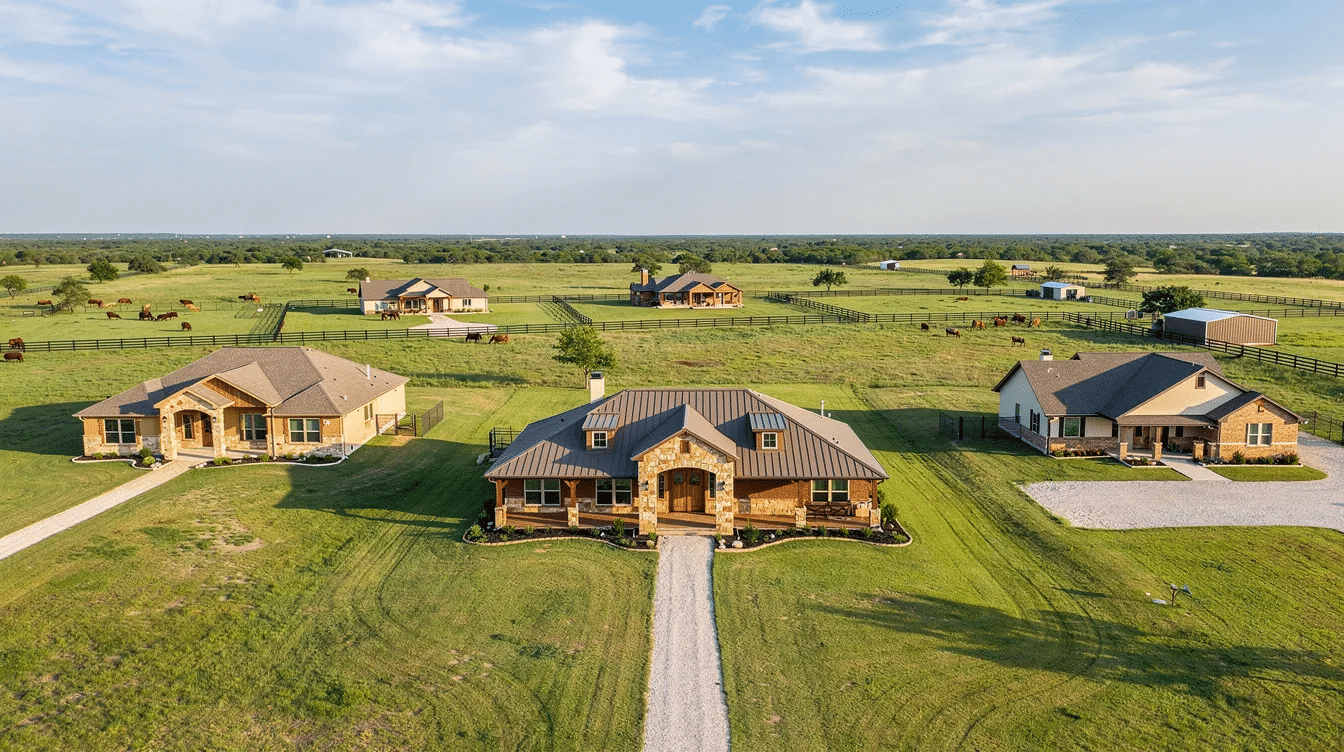
The right property depends entirely on how you plan to use it. From raising a family in the country to running cattle operations or escaping for weekend hunting trips, Texas offers listings to suit every purpose. Consider how the function of the land or property—such as its layout, acreage, and features—supports your specific activities or lifestyle, whether that’s family living, ranching, recreation, or pursuing hobbies.
Family Homesteads & Country Living
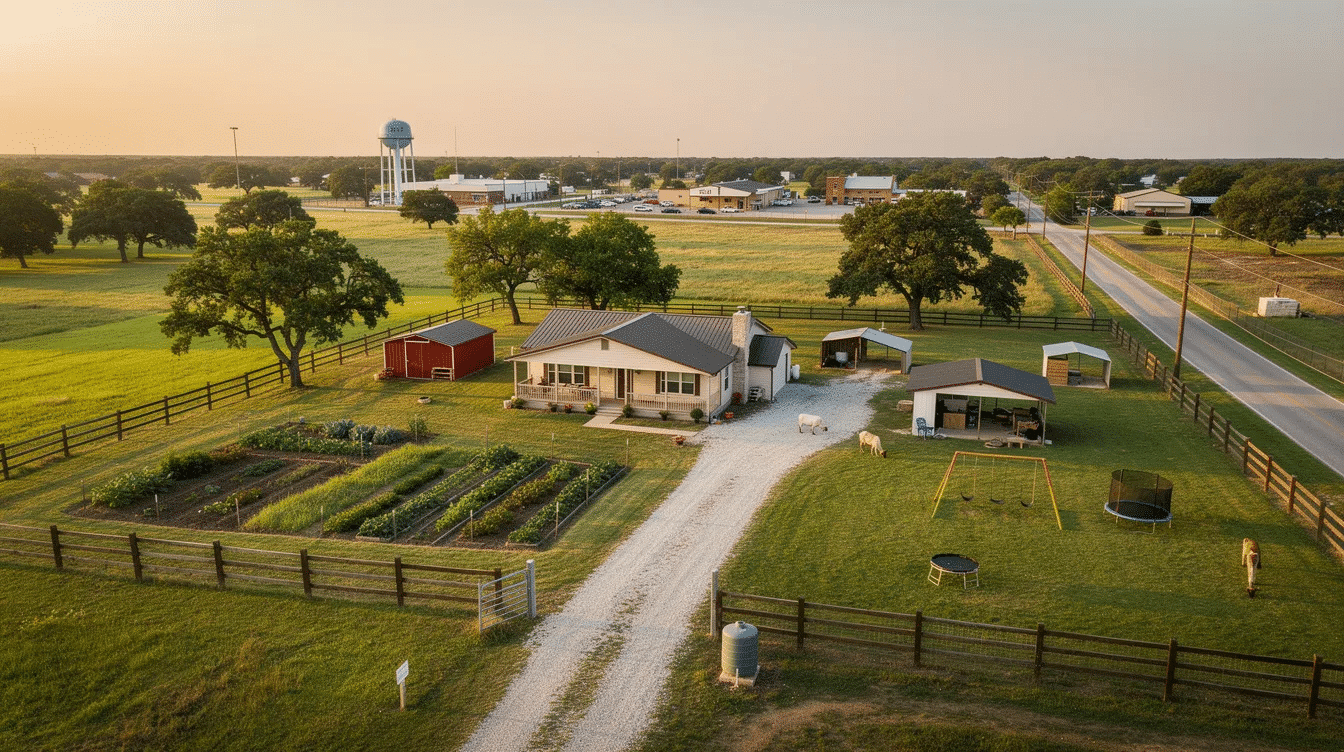
Properties ranging from 1-10 acres provide the ideal balance of space and convenience for families wanting more room without sacrificing access to schools, healthcare, and daily amenities. These homesteads typically feature enough land for gardens, small barns or shelters for pets and livestock, and outdoor recreation areas where children can explore safely.
Central Texas and East Texas communities offer particularly attractive options, with properties near small towns providing ready access to paved roads and municipal services while maintaining the privacy and quiet of country living. Many family-focused properties come with existing homes, established driveways, and functioning wells and septic systems—reducing the burden of development costs for buyers ready to move in quickly, especially when those homes follow ranch-style layouts that prioritize comfort and practicality.
Ranch Properties & Agricultural Use
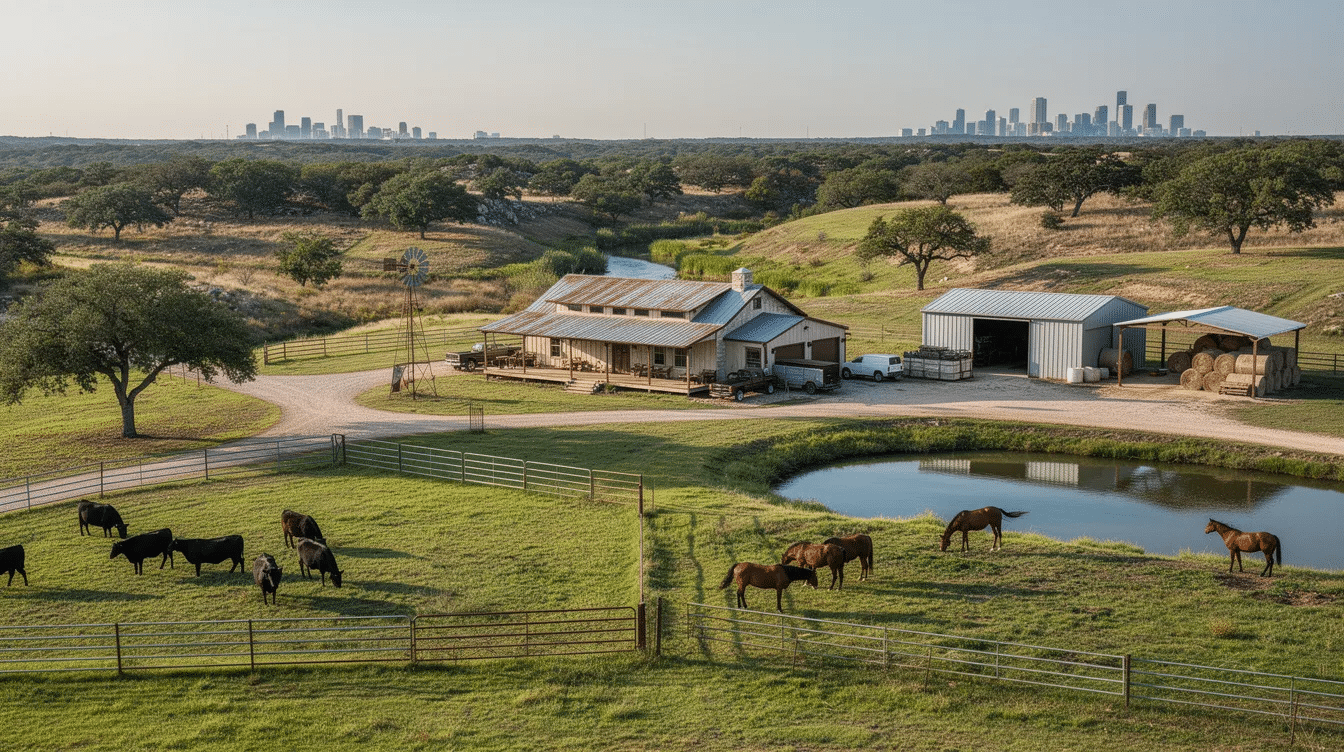
Larger acreage properties—typically 50 acres or more—open possibilities for serious agricultural operations including cattle ranching, classic ranch-style homesteads with open layouts, horse breeding, hay production, and diversified farming. The most desirable ranch properties feature improved pastures, sturdy fencing, functional barns and workshops, and reliable water sources such as ponds, creeks, or high-capacity wells.
South Texas brushlands and the Hill Country region remain popular for ranch buyers, offering established grazing land and scenic terrain. Properties in these areas often qualify for agricultural exemptions, significantly reducing property tax burdens when land maintains active agricultural use. Ranch land adjacent to growing metro areas like Austin and San Antonio also presents strong investment potential as urban expansion continues.
Recreational & Hunting Properties
For buyers seeking weekend retreats or dedicated hunting land, Texas offers abundant options featuring wooded areas, ponds, creek access, and native wildlife habitat. Remote counties in West Texas—including Hudspeth, Presidio, and Brewster—provide some of the most affordable land in the state, with prices occasionally dropping below $1,500 per acre for parcels without extensive infrastructure.
These recreational properties often include modest cabin structures suitable for seasonal use, with buyers accepting limited utilities in exchange for pristine natural features and genuine isolation, and some owners later explore creative additions to ranch-style houses to expand living space or add amenities. Waterfront properties along East Texas lakes and rivers command premium prices but deliver exceptional fishing, boating, and wildlife viewing opportunities.
Choose the Right Property for Your Lifestyle
Matching property features to your personal needs, experience level, and long-term goals ensures satisfaction with your purchase and avoids costly surprises.
For First-Time Rural Buyers
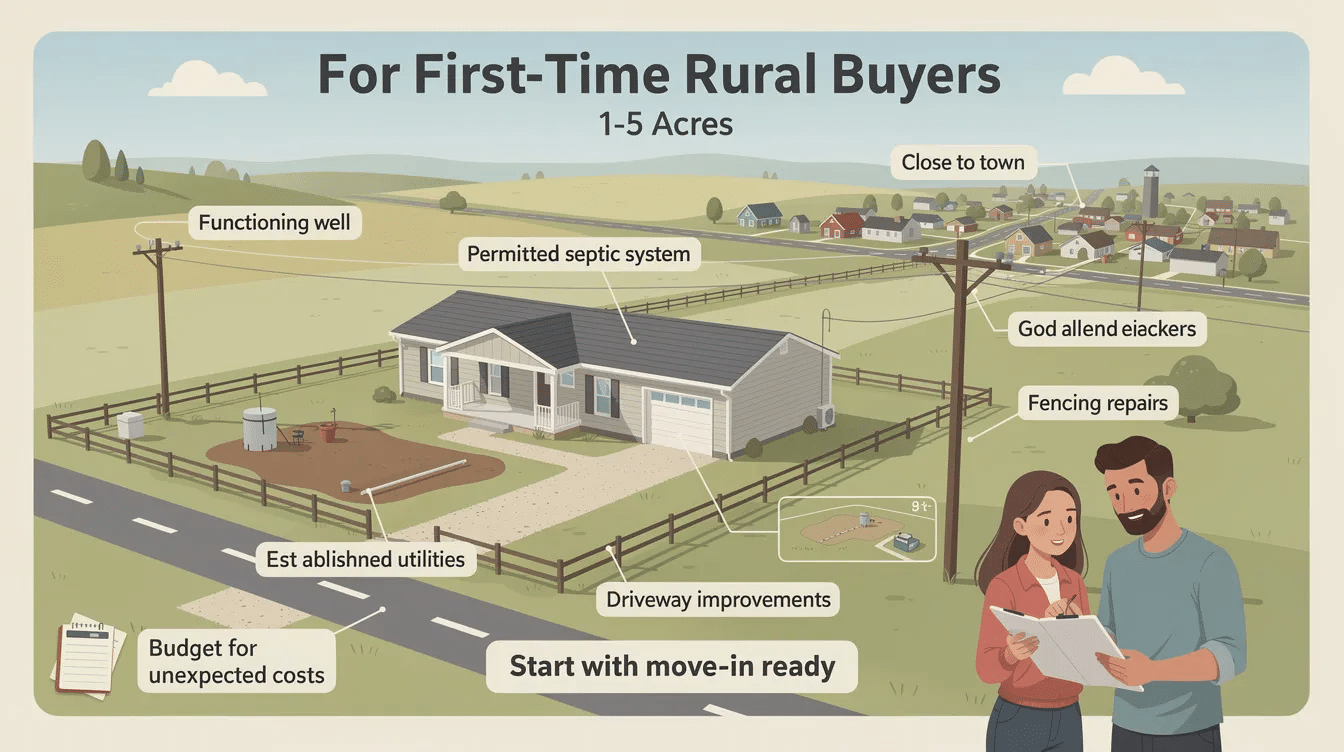
New country property owners benefit most from smaller acreage—typically 1-5 acres—with manageable maintenance requirements and existing infrastructure already in place, and understanding typical ranch house dimensions and layouts can help them choose the right home footprint for their needs. Properties close to towns with good all-weather road access simplify the transition from urban or suburban living.
Look for homes with functioning wells, permitted septic systems, and established utility connections. Budget additional funds for unexpected expenses; even well-maintained rural properties may require driveway improvements, fencing repairs, or system upgrades. Starting with a move-in ready home allows you to learn country living essentials before taking on larger development projects.
For Experienced Country Property Owners
Seasoned rural buyers often seek larger tracts with development potential or existing agricultural operations that can generate income. Raw land suitable for custom home construction appeals to those with construction experience and patience for the permitting process, especially buyers interested in designing beautiful ranch homes that balance style and function.
Properties featuring mineral rights, water rights, or subdivision potential offer investment-grade opportunities. Experienced buyers typically conduct more thorough due diligence on easements, boundary surveys, and long-term appreciation factors—understanding that rural real estate requires different evaluation criteria than urban property.
For Retirement & Lifestyle Changes
Retirees seeking peace and quiet find excellent options throughout the state, with single-story homes requiring minimal maintenance proving especially popular, including raised ranch homes with flexible, accessible layouts. Properties near healthcare facilities and essential services in small towns provide security without sacrificing rural ambiance.
Several Texas regions feature communities with age-friendly amenities and concentrations of retirees, creating social opportunities alongside the privacy of country living. Consider properties with efficient utilities, manageable lot sizes, and features like covered porches that maximize enjoyment of outdoor space without demanding physical upkeep.
Essential Features That Matter
Property features dramatically affect both immediate livability and long-term value. Understanding what to evaluate helps buyers make informed decisions. Reviewing property details early in the buying process is essential to ensure the land meets your intended use and expectations. Living on land provides increased privacy and a more peaceful, secluded lifestyle compared to urban settings. Properties with land often include outdoor spaces for gardening, recreation, and hobbies, enhancing your overall quality of life, and some buyers choose Texas barndominium home plans to combine living space with workshops or storage areas on the same acreage. Additionally, having land allows for future development or customization, such as adding guest houses, workshops, or other structures to suit your personal needs.
Access & Infrastructure
Reliable all-weather road access ranks among the most critical features for any rural property. Properties requiring easement access across neighboring land introduce complications; verify all access rights through title research and survey review.
Water wells, septic systems, and electrical connections represent major infrastructure investments. New well drilling typically costs $6,000-$30,000 depending on depth and geology, while septic system installation runs $5,000-$20,000 based on soil conditions and system complexity. Properties with existing, properly maintained infrastructure offer significant value. High-speed internet availability increasingly matters for buyers planning remote work from their country home.
Land Quality & Usability
Evaluate soil quality, drainage patterns, and topography to understand what your land can support. Flat, well-drained areas provide ideal building sites, while slopes and low-lying sections may have development restrictions.
Existing improvements—fencing, gates, cleared pastures, and outbuildings—add real value and reduce future development costs. Water features including ponds, creeks, or springs enhance both property enjoyment and agricultural utility, though they may introduce floodplain considerations requiring investigation.
Location & Market Factors
Distance to major cities like Austin, Houston, Dallas, and San Antonio affects both convenience and property values. Counties within reasonable commuting distance of metro areas—including Bastrop, Hays, Comal, and Williamson—see strong appreciation as urban expansion continues.
Research zoning restrictions and development regulations through county planning offices. Verify agricultural exemption eligibility through the county appraisal district, and understand that qualifying requires ongoing proof of agricultural use. Mineral rights status deserves careful attention; in Texas, surface ownership doesn’t guarantee subsurface rights, and severed mineral estates can affect property use and value.
How to Buy Texas Houses with Land
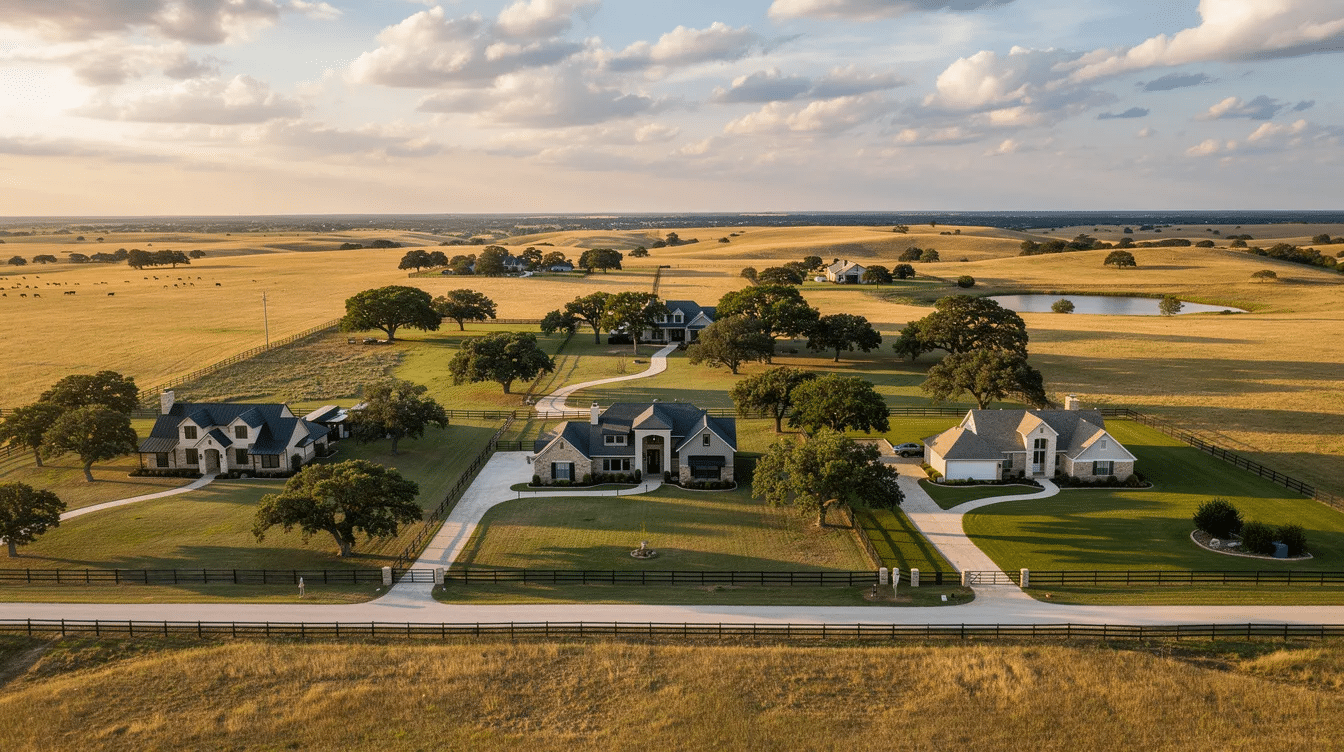
Purchasing rural property involves considerations beyond typical residential real estate transactions. Proper preparation ensures successful outcomes. The information provided, including MLS or IDX listings, is considered reliable for personal use but is not guaranteed and may not always be up-to-date. Experienced realtors can help you buy and sell Texas houses with land for sale, offering extensive market knowledge and guidance throughout the process. For many buyers, proximity to city amenities—such as shopping, schools, and dining—is an important factor, as access to dining options and other conveniences enhances the lifestyle appeal of properties located near communities or towns.
Research & Property Search
Work with realtors experienced in rural Texas transactions who understand land valuation, agricultural operations, and county-specific regulations. Standard MLS listings include many houses with land, while specialized land listing websites offer additional rural property options.
Define your budget comprehensively—including purchase price, necessary improvements, well and septic work if needed, surveys, and contingency funds for unexpected issues. Research specific counties and regions matching your needs; price per acre varies dramatically from under $1,500 in remote West Texas to $35,000 or more in high-demand areas near Austin.
Due Diligence & Inspections
Rural property transactions require thorough due diligence beyond standard home inspections. Commission a professional land survey—boundary surveys typically cost $500-$2,000 for modest acreage—to verify property lines and identify any encroachments or easement issues.
Investigate water rights, mineral rights ownership, and any existing leases affecting the property. Test well water quality through certified laboratories and have septic systems inspected by licensed professionals. Review property tax history and verify current exemption status, understanding that changes in land use can trigger rollback taxes on previously exempt agricultural land.
Find Your Texas Property Today
Texas houses with land for sale present exceptional opportunities for buyers seeking space, privacy, and investment potential. From affordable family homesteads in East Texas to premium Hill Country estates and working ranches across the state, options exist for every budget and purpose.
Starting your search with clear goals, realistic budgets, and professional guidance positions you for success in the rural property market. Work with experienced local real estate professionals who understand the unique aspects of land transactions, and take time for proper due diligence on any property under serious consideration.
Your ideal Texas property—with room to grow, space to enjoy, and land to call your own—awaits your search.