Ranch homes typically cost 10-20% more than two-story homes due to larger foundations, expanded roofing, increased land requirements, and higher per-square-foot construction costs. The single-story layout creates specific building challenges that drive up both initial construction and long-term ownership expenses.
Below is a detailed breakdown of the key factors that make ranch homes more expensive to build and own.
Ranch vs Two-Story Homes: Key Cost Differences
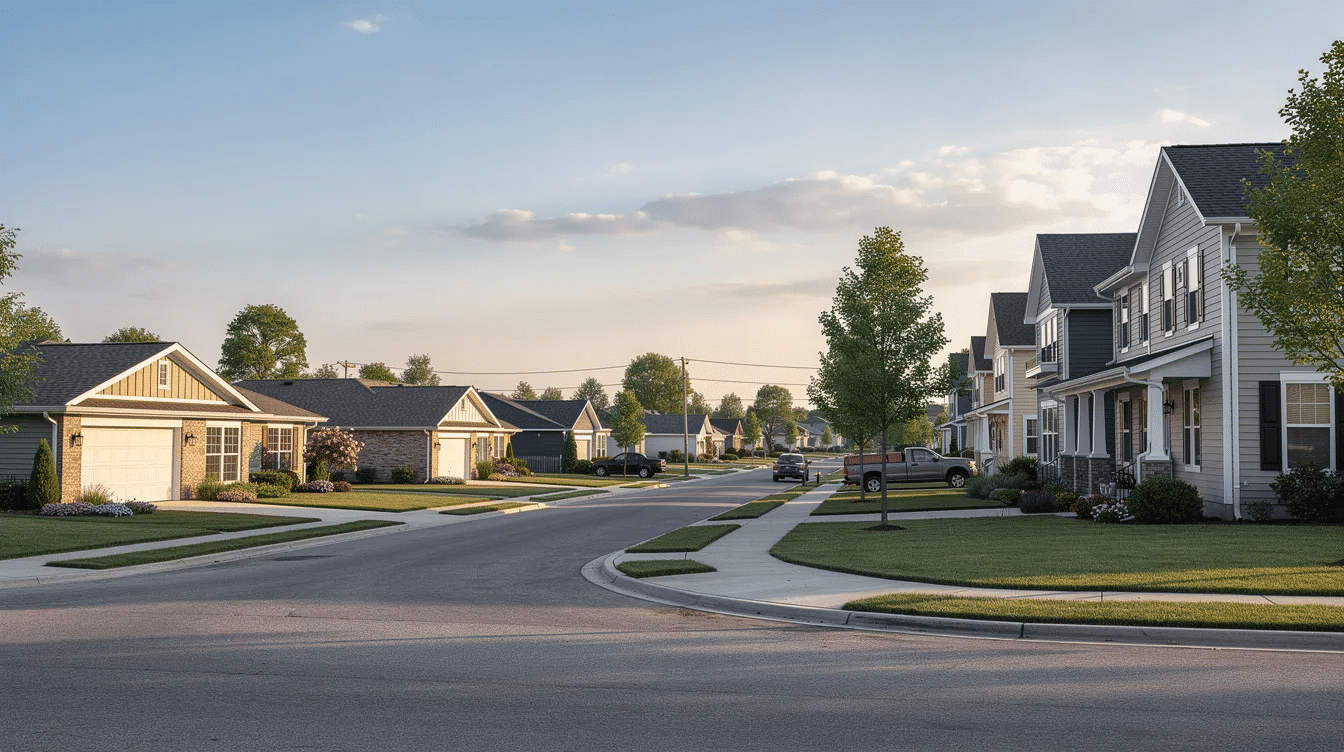
The fundamental difference comes down to horizontal versus vertical construction.
- Ranch style homes spread all living area across one level, requiring more land, foundation, and roof per square foot of living space.
- Two-story homes stack living area vertically, maximizing square footage on a smaller footprint.
Both approaches deliver functional homes, but the cost structure differs significantly. In 2025, ranch homes average $150-$200 per square foot to build, while two-story homes typically fall between $130-$180 per square foot. This 10-15% premium reflects several factors including foundation size, roofing materials, land costs, and system installation complexity.
The cost comparison extends beyond initial construction to ongoing ownership expenses including energy bills, maintenance costs, and long-term value considerations, especially when you factor in typical ranch house dimensions and layout standards.
Construction Cost Factors
Building design directly drives construction expenses. Single story homes require more materials and labor for foundation and roofing than homes with multiple stories containing the same square footage.
Foundation and Structural Requirements
Foundation costs represent one of the most significant differences between ranch and two-story construction.
A ranch style house must place its entire floor plan on ground level. For a 2,000 square foot home, this means a 2,000 square foot foundation. A two story house with the same square footage needs only a 1,000 square foot foundation, with the second floor built above.
This larger footprint translates directly to higher costs:
- Slab foundations run $5-$12 per square foot
- Crawl space foundations cost $8-$18 per square foot
- Full basement foundations range from $25-$35 per square foot
Foundation expenses alone can be 40-60% higher for ranch homes compared to two-story alternatives. Site preparation adds further expense—more excavation, soil preparation, and grading across the larger building pad. For a typical 1,700 square foot ranch, prep work runs $4,000-$6,500 before foundation work begins.
Roofing and Exterior Costs
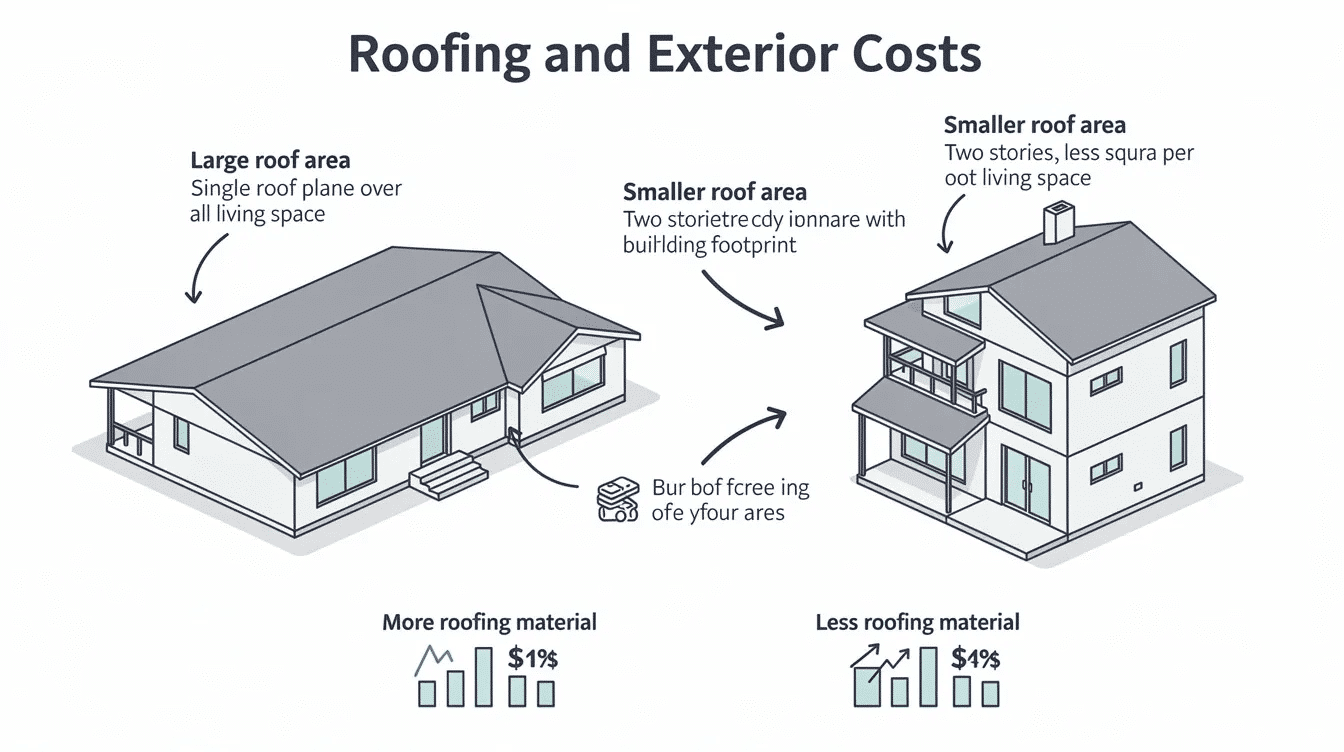
Roof area directly correlates with building footprint. Ranch homes require substantially more roofing material because the entire living space sits beneath a single roof plane.
This expanded roof coverage increases costs for:
- Trusses and structural framing
- Sheathing and underlayment
- Shingles and weatherproofing
- Guttering and drainage systems
Industry estimates suggest roofing contributes 10-15% additional cost in ranch home designs compared to two-story construction. Labor time increases proportionally—installing a 2,000 square foot roof takes significantly longer than a 1,000 square foot roof.
Ranch style homes also require more exterior wall surface area per unit of living area. More siding, insulation, and large windows mean higher material and labor costs for the building envelope, but these elements are also among the best features of a classic ranch style house that many buyers specifically seek out.
Land Requirements and Associated Costs
Ranch homes require more land than vertical construction to achieve equivalent living area. This land premium affects both purchase price and site development expenses and is one of the key distinctions when you compare bungalow vs ranch single-story home styles.
Lot Size Requirements
A 2,000 square foot ranch home typically needs an 8,500-10,000 square foot lot, while a two-story home with the same square footage fits comfortably on a 5,500-7,000 square foot lot.
Setback requirements established by local zoning codes compound this difference. The larger footprint of ranch style homes needs more buffer space from property lines on all sides.
In suburban areas where land costs average $5-$15 per square foot, this difference adds $15,000-$45,000 to project costs before construction begins. In urban markets where larger lots are scarce, the premium climbs even higher as buyers compete for limited inventory suitable for single story construction.
Site Development Expenses
Larger building footprints require more extensive site development:
- Longer driveways and walkway systems to reach wider frontages
- Extended utility runs for plumbing, electrical, and natural gas across the expanded footprint
- More extensive landscaping and yard preparation for larger outdoor space
- Increased costs for fencing perimeter and outdoor lighting installation
These site development costs add thousands to overall project expense and continue affecting maintenance costs throughout ownership.
Building Systems Installation Costs
Single story layout affects how mechanical systems are designed and installed, typically increasing both material requirements and labor time.
Plumbing and Electrical Systems
In a ranch home, plumbing and electrical systems must travel longer horizontal distances to reach bathrooms, kitchen, dining room, and bedrooms throughout the sprawling floor plan.
Two-story homes benefit from vertical stacking—bathrooms can be positioned directly above one another, sharing drain lines and vent stacks. Kitchen and bathroom plumbing can be consolidated near central risers.
Ranch floor plans spread these fixtures across the entire footprint, requiring:
- Longer pipe runs with more fittings and connections
- Extended electrical wiring to reach distant rooms
- Additional electrical panels or subpanels in some layouts
- More plumbing vents and insulation material
These longer runs increase both material costs and installation labor.
HVAC Installation Challenges
Heating and cooling single story homes presents unique challenges. The larger footprint means longer ductwork runs to distribute conditioned air throughout the living area.
Ranch homes often require, particularly in styles such as the California ranch style home:
- Multiple HVAC units or zones for proper climate control
- Larger capacity systems to condition the entire space efficiently
- More extensive ductwork with additional supply and return registers
- Increased insulation requirements for the larger exterior surface area
Two-story homes benefit from natural heat distribution—heat rises from lower floors to upper floors, and the smaller roof and wall surface area relative to total living space reduces overall thermal load.
Long-Term Ownership Costs
Design differences affect ongoing expenses throughout ownership, impacting both energy bills and maintenance budgets.
Energy Efficiency Considerations
Ranch homes have more exterior surface area exposed to weather conditions per square foot of living space. This larger building envelope—more roof, more walls, more foundation—creates more opportunity for heat transfer.
Studies suggest two-story homes are typically 5-15% more energy efficient than ranch homes of equivalent size. This translates to annual energy costs $200-$500 higher for ranch style homes, depending on climate and local utility rates.
Heat distribution in single story homes also presents challenges. Without the benefit of heat rises naturally moving warmth upward, heating systems work harder to maintain comfortable temperatures throughout the sprawling layout. Energy efficient upgrades like improved insulation and high-performance windows help but add to initial construction costs.
Maintenance and Upkeep Expenses
More exterior surface area means more ongoing maintenance:
- Larger roof systems need more frequent inspections and eventual replacement
- Extended gutter systems require regular cleaning windows of debris and downspout maintenance
- More siding area needs periodic painting, repair, and weatherproofing
- Longer foundation perimeter demands monitoring for cracks and moisture intrusion
However, single level design offers some maintenance advantages. Cleaning windows, inspecting roof edges, and accessing exterior surfaces is often easier without the height challenges of two story homes. This easier access can reduce labor costs for maintenance tasks.
Market Factors Driving Premium Pricing
Beyond construction costs, market demand significantly influences ranch home pricing. Strong buyer interest from specific demographics creates competition that pushes prices above what building costs alone would suggest.
High Buyer Demand
The aging baby boomer population increasingly prioritizes single level living. Over 80% of buyers aged 55+ express strong preference for accessible design features, and this demographic controls substantial purchasing power.
Ranch homes naturally appeal to:
- Older adults seeking to avoid stairs
- Families with young kids who value safety
- Buyers with mobility concerns or disabilities
- Those planning for aging in place
This broad buyer pool creates intense competition for limited ranch home inventory. In markets where ranch style homes are scarce, premiums of 10% or more above comparable two-story homes are common. Data shows ranch homes often sell 15-20% faster than two story homes, reflecting strong buyer interest.
Desirability and Lifestyle Appeal
Ranch homes offer lifestyle benefits that justify premium pricing for many buyers:
- Open floor plans with seamless flow between living areas
- Indoor-outdoor connection through patios and large windows bringing natural light deep into living space
- Easier home modifications for accessibility and guest suites
- Single level design eliminates people walking overhead and bedroom windows looking onto upper floors
These features contribute to strong resale value. Beautiful ranch homes where style meets functionality appeal to more buyers across age groups and life stages, supporting long-term value in most markets. For buyers evaluating their dream home against long term plans, this broad appeal represents investment potential beyond initial cost.
When the Higher Cost Is Justified
Choose ranch homes if you prioritize accessibility and prefer single level living without needing to navigate stairs. The comfort and style benefits of well-designed ranch homes often outweigh the cost premium for buyers planning to age in place or those with mobility considerations.
Consider ranch style homes if you have adequate budget for land costs and value seamless indoor-outdoor living with direct access to outdoor space from every room, possibly planning ahead for creative additions to a ranch style house that can expand space and functionality over time. The lifestyle integration and open floor plans deliver daily quality-of-life benefits.
Ranch homes justify higher costs when long-term mobility, safety, and lifestyle preferences outweigh initial expense. Families with young kids benefit from single-story safety, while older adults appreciate accessibility without requiring home modifications.
Evaluate total cost of ownership—including energy, maintenance costs, and resale value—before deciding. In markets with growing aging demographics, ranch homes often prove cost effective investments despite higher purchase prices. Regional factors including land availability, climate, and local demand patterns all influence whether ranch or two story homes represent better long term value for your specific situation.
Both home designs can deliver comfortable, functional living spaces. The right choice depends on your budget, lifestyle priorities, and how several factors influence your specific circumstances, including whether a raised ranch home with split-level design better suits your lot and layout needs.