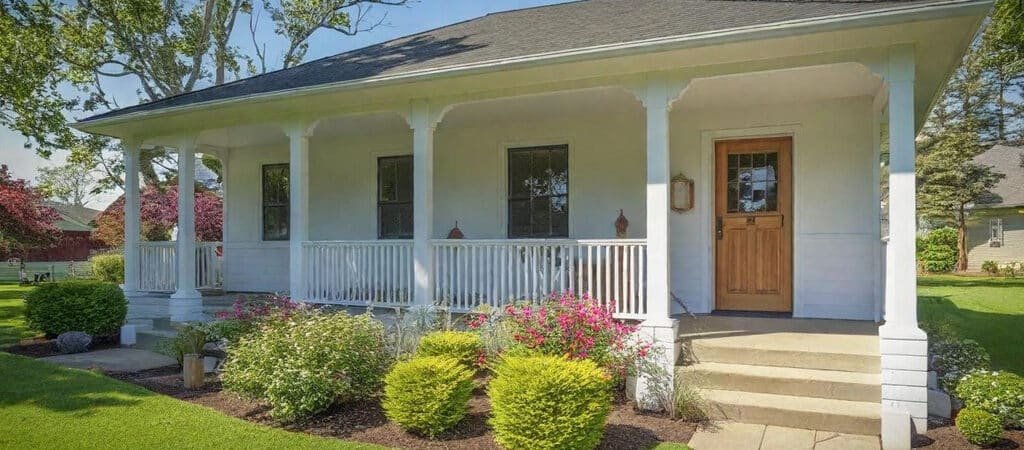
Finding the right bungalow home builders for your dream one-story home can feel like a huge project. A few years ago, when my husband and I started thinking about our forever home, the idea of a bungalow just kept popping up. No stairs to worry about as we get older, everything on one level for easy living, and a cozy, classic feel. What’s not to love? But finding people who specialize in these charming houses? That was a whole different story!
I quickly learned that not all builders are the same, especially when it comes to single-story designs. It took a bit of digging, a few funny mishaps (like almost signing with a builder who thought a “bungalow” was just any small house!), and lots of coffee-fueled late-night searching. So, I wanted to put together a little guide for anyone else out there starting this adventure. Think of me as your friendly neighbor who has already been down this road, ready to share what I learned so your path is a little smoother. We’ll talk about what makes bungalows special, how to find the perfect builder, and what questions you absolutely must ask.
Key Takeaways
- Bungalow home builders specialize in single-story, functional designs that maximize efficient living space and accessibility
- Top builders offer extensive customization options, from floor plan modifications to premium finishes, allowing you to build your dream home exactly to your specifications
- The best bungalow builders provide transparent pricing and detailed planning to keep projects on budget and schedule
- Established builders typically have 15-30 years of experience with thousands of completed homes in their portfolio
- Most reputable builders serve within 75-100 miles of their design studios and offer both manufactured and site-built options
- What Are Bungalow Home Builders
- Understanding Bungalow Style Construction
- What's the Big Deal with Bungalows Anyway?
- Top Bungalow Home Builders in 2025
- Customization Options Available
- The Bungalow Building Process
- Pricing and Budget Management
- How to Choose the Right Bungalow Builder
- Finding Bungalow Builders Near You
- Finding the Right Bungalow Home Builders
- What to Look for in a Builder
- Questions to Ask Potential Builders
- The Design and Build Process
- FAQs
What Are Bungalow Home Builders
Bungalow home builders are specialized contractors who focus exclusively on constructing single-story bungalow style homes. These builders have developed expertise in creating functional, efficient living spaces that maximize comfort while minimizing wasted square footage. Unlike traditional home builders who may construct various housing types, bungalow specialists understand the unique aspects of single-level design and construction.
The emphasis these builders place on quality craftsmanship and attention to detail sets them apart in the construction industry. They work closely with clients to ensure each new home meets specific accessibility requirements, lifestyle preferences, and aesthetic goals. Their deep understanding of bungalow architecture allows them to offer solutions that traditional builders might overlook. Quality craftsmanship is essential for creating homes that stand the test of time, ensuring both durability and aesthetic appeal.
Types of Bungalow Builders
Manufactured Home Builders specialize in factory-built bungalows constructed to HUD standards. These builders control quality through standardized processes and can often deliver homes more quickly than site-built options. The manufacturing environment allows for precise construction and weather-independent building schedules. Homes that are designed with quality materials are more environmentally sustainable, contributing to long-term energy efficiency and reduced environmental impact.
Modular Builders create bungalows in sections that are transported to your lot and assembled on-site. This approach combines factory quality control with some customization flexibility. Many modular builders offer extensive design modifications while maintaining efficient construction timelines.
Site-Built Specialists construct your bungalow entirely on your property using traditional stick-built methods. These builders typically offer the highest level of customization and can adapt designs to unique lot characteristics or specific architectural requirements. The process allows for real-time modifications during construction.
Custom Tailored Builders work with clients to create completely unique bungalow designs. They often employ in-house architects and designers who can translate your ideas into detailed construction plans. These builders pride themselves on creating one-of-a-kind homes that reflect each family’s individual style and functional needs.
Understanding Bungalow Style Construction
Bungalow construction requires specific expertise in single-story design principles that maximize living space efficiency. The architectural characteristics include open floor plans that eliminate unnecessary hallways, strategic window placement for natural light, and carefully planned storage solutions. These design elements require builders who understand how to create spacious feelings within compact footprints.
Construction techniques for bungalows differ significantly from multi-story homes. Foundation requirements must support the entire living space on a single level, requiring careful engineering for proper load distribution. Roof systems need adequate support for the typically wide spans without interior load-bearing walls interrupting open floor plans.
Materials and Quality Standards
Reputable bungalow home builders typically use #1 and #2 grade lumber for structural components, ensuring long-term stability and durability. Quality builders also emphasize energy-efficient systems including proper insulation, efficient HVAC systems, and high-performance windows. These specifications contribute to lower utility costs and enhanced comfort throughout the year.
The building process emphasizes craftsmanship in areas where attention to detail matters most. Built-in storage solutions, custom cabinetry, and architectural details require skilled craftsmen who understand both functionality and aesthetics. Many builders take pride in offering features like hand-brushed hardware and individual light fixture selection to personalize each home.
Material suppliers play a crucial role in maintaining construction quality and timeline adherence. Established builders maintain relationships with reliable suppliers who can deliver materials on schedule and meet quality specifications. This system helps ensure projects stay on budget and complete within promised timeframes.
What’s the Big Deal with Bungalows Anyway?
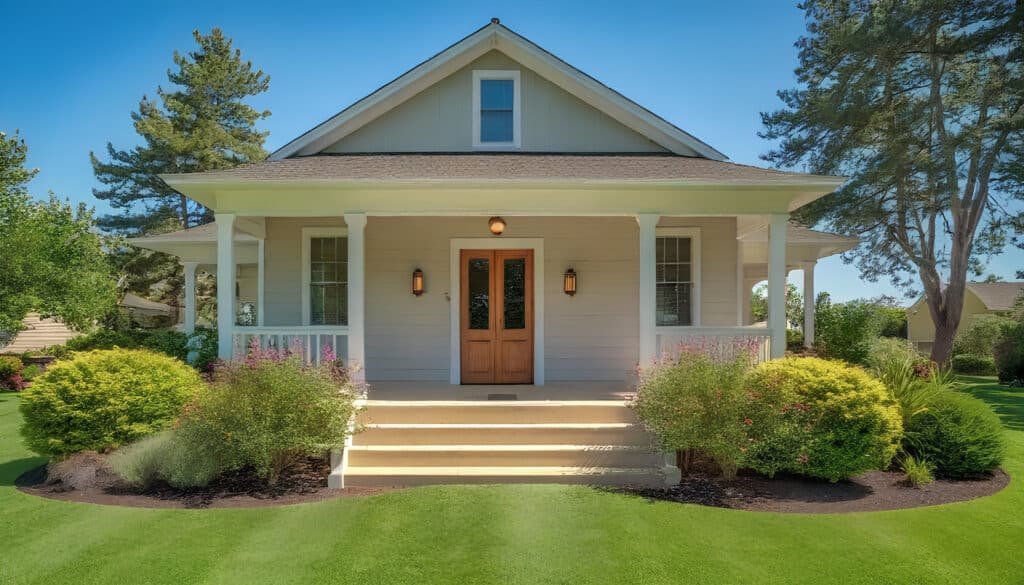
Before we get into finding a builder, let’s chat about why bungalows are so amazing. When you say “bungalow,” some people picture a tiny cottage, but there’s so much more to them.
These homes became super popular in the early 1900s. They were seen as a simple, practical, and beautiful alternative to the big, fussy Victorian houses of the time. The whole idea was about connecting with nature and enjoying a more relaxed way of life. That’s why you often see them with big front porches and lots of windows.
Today, that same appeal holds true. People are looking for homes that are easier to manage and more comfortable to live in for the long haul.
The Perks of One-Story Living
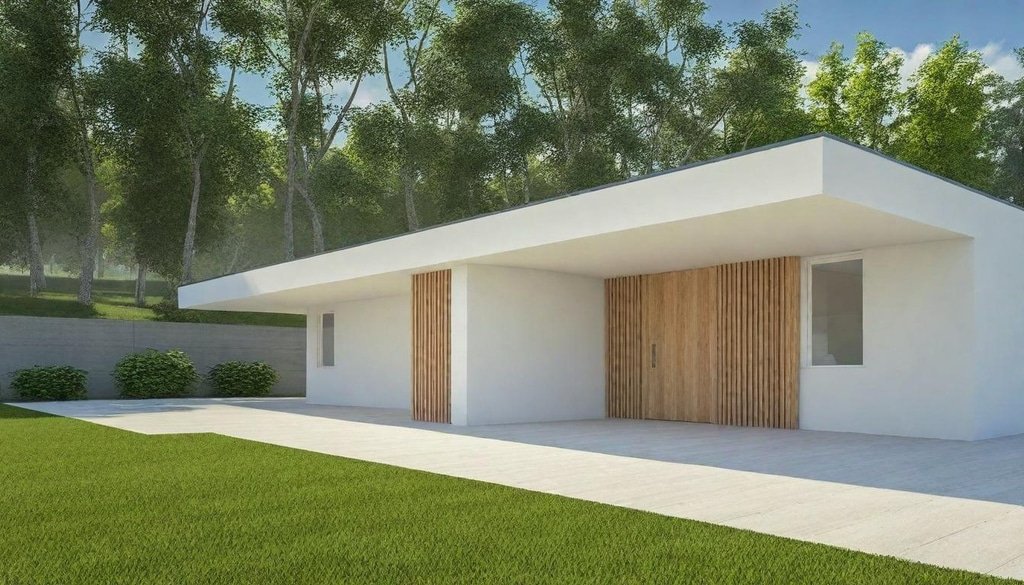
Let’s be real, who actually enjoys hauling laundry baskets up and down stairs? Living on one level has some serious advantages.
- No More Stairs: This is a big one! It makes the home safer for young kids and anyone with mobility issues. It also means your home is ready for you to age in place, so you don’t have to think about moving later on.
- Easy to Clean and Maintain: Cleaning a single-story house is just simpler. You don’t have to lug a vacuum up a flight of stairs. Plus, washing windows and cleaning gutters on the outside is much easier when you’re not dealing with a second story.
- Open and Airy Feel: Many new home builders bungalows feature open-concept layouts. Without staircases taking up space, rooms can flow into each other, making the home feel bright, spacious, and connected. It’s perfect for family gatherings or having friends over.
- Great for Families: Keeping an eye on little ones is a lot easier when everyone is on the same floor. You can be in the kitchen and still see and hear what’s happening in the living room or nearby bedrooms.
Top Bungalow Home Builders in 2025
National Bungalow Builders
Schumacher Homes stands out as one of the most established bungalow builders with over 30 years of experience in the industry. They have constructed more than 23,000 homes and maintain 51 model homes across their service areas. Their extensive experience demonstrates their commitment to quality and customer satisfaction.
The company offers a comprehensive approach to bungalow construction, from initial design consultation through final walkthrough. Their design studios allow clients to explore options hands-on and make informed decisions about their new home features. Schumacher’s emphasis on transparent pricing helps families plan their budgets effectively.
Deer Valley Homebuilders has been constructing quality bungalows since 2004, with over 15,000 completed homes throughout the southeastern and central United States. Their focus on efficient construction processes and customer service has earned them recognition in the manufactured housing industry.
Deer Valley’s approach emphasizes value engineering – creating maximum home value while controlling costs. They work with clients to balance wants and needs within realistic budget parameters. Their established dealer network provides local support and service throughout their coverage areas.
Regional and Local Specialists
Local bungalow builders often provide advantages that national companies cannot match. They understand regional building codes, climate considerations, and local material suppliers. Many have established relationships with local craftsmen who specialize in specific trades like custom millwork or stonework.
Regional builders typically offer more personalized service and can adapt more quickly to unique customer requests. They often have intimate knowledge of local lot characteristics and can provide valuable input about site-specific design considerations. Many local builders also provide ongoing post-construction support and warranty service directly.
When evaluating regional specialists, look for builders with strong local reputations and portfolios of completed projects you can visit. Many established local builders have been serving their communities for decades and can provide references from satisfied customers. Their longevity often indicates both quality work and reliable business practices.
Customization Options Available
Structural Modifications
Quality bungalow builders understand that each family has unique space requirements and lifestyle preferences. Structural modifications can include wall relocations to create larger living areas, room additions that maintain the single-story concept, and ceiling height adjustments for enhanced spatial perception.
Square footage adjustments represent one of the most common customization requests. Experienced builders can modify floor plans to add or reduce space while maintaining efficient traffic flow and natural light distribution. These modifications require careful planning to ensure structural integrity and code compliance.
Many builders offer cathedral or vaulted ceiling options that create dramatic interior spaces without adding a second story. Exposed beam work adds architectural interest while highlighting quality craftsmanship. These details contribute significantly to the home’s character and perceived value.
Finish and Fixture Selections
Premium customization options allow homeowners to create truly personalized living spaces. Individual light fixture selection enables clients to choose fixtures that complement their design aesthetic and provide appropriate illumination for each space. Many builders maintain showrooms where clients can see fixtures installed in realistic settings.
Custom cabinetry options extend far beyond standard builder-grade installations. Quality builders offer various wood species, door styles, and hardware selections including hand-brushed finishes that add subtle elegance. Storage solutions can be custom tailored to accommodate specific belongings and lifestyle requirements.
Paint color selection affects every aspect of the home’s interior atmosphere. Reputable builders typically offer unlimited paint color choices rather than limiting selections to predetermined palettes. Exterior finishing materials including siding, stone, and roofing materials can often be selected to complement neighborhood aesthetics or personal preferences.
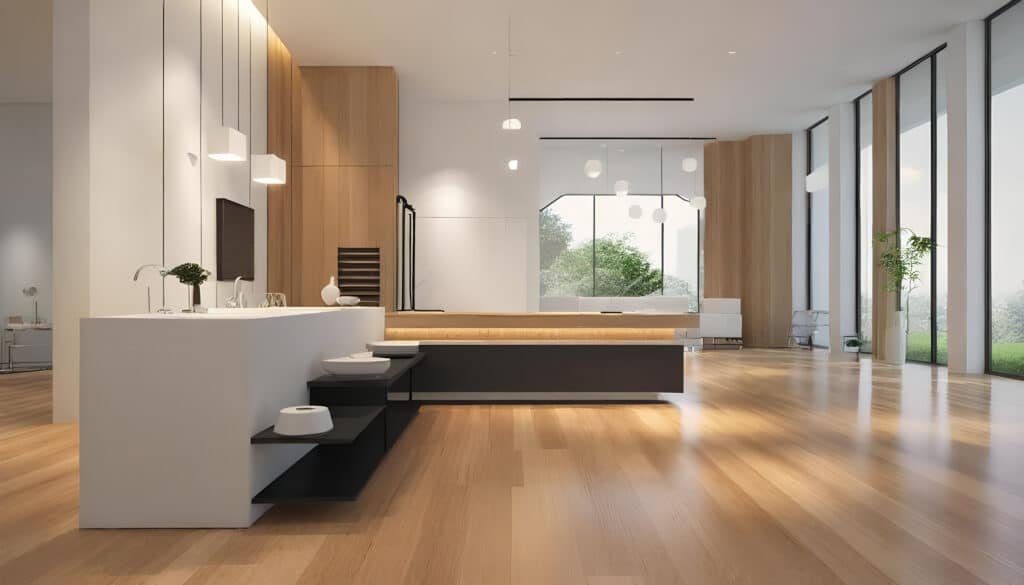
The Bungalow Building Process
The construction journey begins with an initial consultation where builders assess your lifestyle needs, lot characteristics, and budget parameters. This planning phase establishes the foundation for successful project completion. Experienced builders invest significant time in this phase to avoid costly changes later in the process. Planning and specification clarity reduces questions, conflicts, and delays during construction, ensuring a smoother and more efficient building experience.
Design selection typically involves reviewing architect-created floor plans, with many builders offering 70 or more proven designs. These plans provide starting points that can be modified to suit specific requirements. The collaborative process ensures your vision translates into a buildable and functional design.
Site evaluation considers factors like topography, drainage, utilities access, and local building restrictions. Professional builders conduct thorough site analysis to identify potential challenges before construction begins. This proactive approach prevents delays and unexpected costs during the building phase.
Construction Timeline and Coordination
Manufactured bungalows typically require 4-6 weeks for factory construction plus 2-3 weeks for site preparation and installation. Site-built homes generally take 3-6 months depending on customization complexity and weather conditions. Reputable builders provide detailed timelines and regular progress updates throughout construction.
Quality control processes vary between builders but should include regular inspections at critical construction phases. Professional builders coordinate with local inspectors to ensure code compliance and obtain necessary approvals. They also conduct internal quality checks to maintain their standards.
The final walkthrough provides an opportunity to verify that all specifications have been met and address any remaining details. Professional builders use detailed checklists to ensure nothing is overlooked. They also provide orientation on home systems and warranty information for future reference.
Pricing and Budget Management
Transparent pricing models distinguish professional bungalow builders from less reputable competitors. Quality builders provide detailed cost breakdowns that specify individual pricing for each customization option. This transparency allows clients to make informed decisions about where to invest their budgets.
Budget control strategies help balance wants versus needs within realistic financial parameters. Experienced builders can suggest alternatives when desired features exceed budget constraints. They understand which modifications provide the best value and which might be added later as finances permit.
Cost Factors and Pricing Structure
Base pricing typically covers standard floor plans with basic finishes and fixtures. Customization costs are itemized separately, allowing clients to see exactly how each decision affects the total investment. This approach prevents budget surprises and enables informed decision-making throughout the design process.
Site preparation costs vary significantly based on lot conditions and local requirements. Factors including excavation complexity, utility connections, and driveway construction affect overall project costs. Professional builders conduct site evaluations early in the process to provide accurate estimates.
Geographic location influences both material and labor costs substantially. Builders serving multiple markets often provide location-specific pricing to ensure accuracy. Local building codes and permit requirements also affect total project investment.
How to Choose the Right Bungalow Builder
Research begins with evaluating builder experience and completed project portfolios. Established builders with 15-30 years in business and thousands of completed homes demonstrate stability and expertise. Portfolio reviews should include homes similar to your intended project in both size and complexity.
Visiting design studios and model homes provides invaluable insight into builder quality and capabilities. These visits allow you to experience materials, finishes, and construction quality firsthand. They also provide opportunities to meet the team members who would work on your project.
Verification and Due Diligence
Licensing verification ensures builders meet state and local requirements for construction contracting. Insurance coverage protects both builders and homeowners from liability during construction. Bonding provides additional financial protection against contractor default or incomplete work.
Customer reviews and Better Business Bureau ratings indicate builder reputations and customer satisfaction levels. Recent reviews provide current information about builder performance and customer service quality. Pay particular attention to how builders respond to and resolve customer concerns.
Warranty offerings vary significantly between builders and significantly impact long-term value. Comprehensive warranties should cover structural components, mechanical systems, and finishes for specified periods. Post-construction support services demonstrate builder commitment to long-term customer satisfaction.

Finding Bungalow Builders Near You
Builder websites typically include location finders or service area maps that help identify coverage in your region. Most established builders serve within 75-100 miles of their design studios or manufacturing facilities. This service radius ensures they can provide adequate supervision and support throughout construction.
Authorized dealer networks extend many national builders’ reach into additional markets. Dealers typically provide local sales, customer service, and construction supervision while maintaining the parent company’s quality standards. They often understand local building practices and requirements better than distant corporate offices.
Professional Networks and Referrals
Home and garden shows provide opportunities to meet multiple builders and compare their offerings directly. These events often feature model displays and allow face-to-face discussions with builder representatives. Many builders offer special show pricing or incentives for visitors.
Professional associations including the National Association of Home Builders maintain directories of member builders. Membership typically indicates commitment to industry standards and continuing education. Association websites often provide search tools to locate builders by specialty and geographic area.
Real estate professionals frequently maintain relationships with reputable builders and can provide valuable referrals. Agents who specialize in new construction often have intimate knowledge of local builders’ reputations and capabilities. Their recommendations carry weight because their own reputations depend on successful client experiences.
Finding the Right Bungalow Home Builders
Okay, so you’re sold on the bungalow life. Now comes the fun part: finding the person or company who can build it for you. This is where you need to be a bit of a detective. Not all builders specialize in single-story homes, so finding one with real experience is key.
Start Your Search Online
Your first stop will probably be the internet. A simple search for “bungalow home builders near me” will give you a starting point. But don’t just click on the first result!
- Check Out Their Websites: A builder’s website is like their digital storefront. Look at their portfolio or gallery. Do they show off lots of single-story homes? Are the styles similar to what you’re imagining? If all you see are two-story colonials, they might not be the right fit.
- Read Reviews: Look for reviews on Google, Houzz, and other home-building websites. See what past clients have to say. Pay attention to comments about communication, sticking to the budget, and the quality of the work. One or two bad reviews might not be a dealbreaker, but a pattern of complaints is a red flag.
- Look for Local Experts: Try searching for builders in specific towns or counties. Local builders often have great relationships with suppliers and subcontractors in the area, which can make the building process go more smoothly.
Ask for Recommendations
Sometimes the best leads come from people you know. Ask friends, family, or coworkers if they’ve built a home or know someone who has. Even if they didn’t build a bungalow, they might have recommendations for great general contractors who have the skills to build one.
You can also ask for recommendations in local community groups online. People are often happy to share their experiences—good and bad!
Visit Show Homes and Parades of Homes
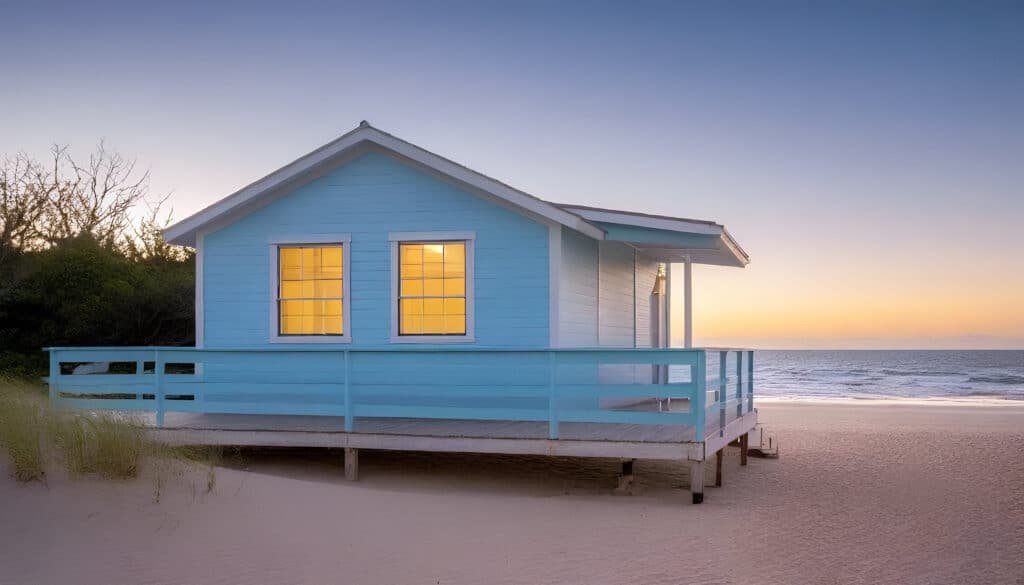
Many areas have an annual “Parade of Homes” where builders showcase their best work. This is a fantastic way to see different styles and quality levels in person. You can walk through the homes, get a feel for the layouts, and talk directly to the builders.
Even if there isn’t a big event happening, many new home builders bungalows have show homes that are open to the public. Visiting one can give you a real sense of their craftsmanship and design style. It’s so much better than just looking at pictures online!
What to Look for in a Builder
Once you have a list of potential builders, it’s time to dig a little deeper. You’re not just hiring someone to build a house; you’re entering a partnership that will last for months. You want to make sure you find someone you trust and can work with.
Experience with Bungalows is a Must
This is probably the most important thing. A builder who specializes in bungalows will understand the specific design and structural needs of these homes. They’ll know how to create an open floor plan that feels spacious, how to maximize natural light, and how to build a home that is both beautiful and functional.
Ask them directly: “How many bungalows have you built?” Ask to see photos or even visit some of their past projects.
Check Their Credentials
You wouldn’t hire a doctor without a medical license, right? The same goes for your builder. Make sure they are licensed and insured in your state. This protects you in case anything goes wrong during construction.
You can usually check a builder’s license status on your state’s licensing board website. It only takes a few minutes and can save you a lot of headaches later.
Communication is Everything
Building a home is a long process, and there will be lots of decisions to make along the way. You need a builder who is a good communicator.
During your first meeting, pay attention to how they talk to you. Do they listen to your ideas? Do they explain things clearly, without using a bunch of technical jargon? Do they seem patient and willing to answer your questions? If you feel like they’re rushing you or talking down to you, that’s not a good sign.
Ask them how they prefer to communicate. Will you have a main point of contact? Will they provide regular updates? A good builder will have a clear process for keeping you in the loop.
Questions to Ask Potential Builders
You’ve narrowed it down to a few top contenders. Now it’s time for an interview! Don’t be shy about asking questions. This is a huge investment, and you have every right to feel confident in your choice.
Here are some questions I found super helpful to ask:
- Can I see some of your completed bungalows? Seeing their work in person is the best way to judge the quality.
- Can you provide references from past clients? And then actually call them! Ask about their overall experience, if the project stayed on budget, and if they would hire the builder again.
- What is your process for designing a custom home? Do they have an in-house designer, or will you need to hire your own architect?
- How do you handle budget and payments? Ask for a detailed breakdown of costs. Find out what’s included in the base price and what’s considered an upgrade.
- What is the estimated timeline for building a home like mine? Be realistic. Building a custom home takes time. A builder who promises an impossibly fast timeline might be cutting corners.
- What kind of warranty do you offer? A reputable builder will stand behind their work. Look for a warranty that covers structural defects for several years and materials and workmanship for at least one year.
- How do you handle changes or problems during construction? Things happen. Materials can be delayed, or you might change your mind about something. A good builder will have a process for handling these situations fairly.
The Design and Build Process
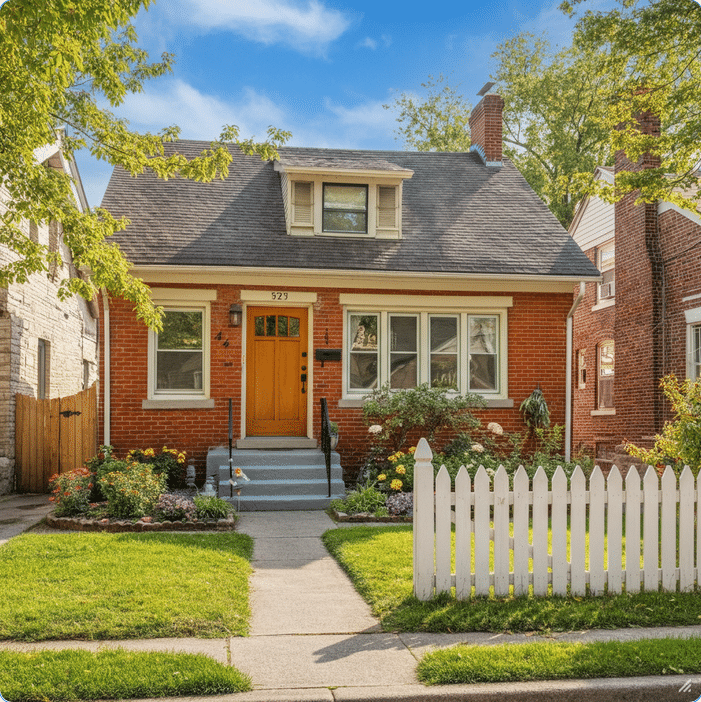
Once you’ve chosen your builder, the real excitement begins! The process can generally be broken down into a few main stages.
Step 1: Design and Planning
This is where your vision starts to take shape. You’ll work with the builder and a designer or architect to create the floor plan and exterior look of your home. This is the time to think about all the little details. Do you want a big kitchen island? A walk-in pantry? A spa-like master bathroom?
During this phase, you’ll also finalize your budget and get all the necessary permits. Your builder should handle the permit process for you, which is a huge help.
Step 2: Site Prep and Foundation
Construction starts! The crew will clear the land, dig for the foundation, and pour the concrete. It might not look like much at first, but this is the solid base upon which your entire home will rest.
Step 3: Framing and Rough-ins
This is when you’ll really start to see your house take form. The walls go up, the roof is put on, and you can finally walk through the rooms. After framing, the plumbers, electricians, and HVAC technicians will come in to run all the pipes, wires, and ductwork through the walls.
Step 4: Interior and Exterior Finishes
Now for the fun part—picking all the pretty things! The drywall goes up, and the house is ready for paint, flooring, cabinets, countertops, and light fixtures. On the outside, the siding, brick, or stone will be installed.
Step 5: The Final Touches
The crew will complete the final details, like installing appliances, finishing the trim work, and doing a thorough cleaning. You’ll do a final walk-through with your builder to create a “punch list” of any small items that need to be fixed or adjusted.
Step 6: Move In!
Once the punch list is complete and you get the official certificate of occupancy, it’s time to get the keys. Congratulations, you’re a homeowner!
Building a bungalow was one of the most rewarding things my family has ever done. It was a lot of work, but every time I walk into my kitchen without having to climb a flight of stairs, I know it was worth it. Finding the right bungalow home builders is the first and most important step. Take your time, do your homework, and trust your gut. Before you know it, you’ll be relaxing on the porch of your very own perfect one-story home.
FAQs
What makes bungalows a popular choice for homebuyers?
Bungalows are popular because they offer single-story living, which is safer, easier to maintain, and provides an open, airy feel that is ideal for long-term living and family life.
Why is it important to find a builder experienced in bungalows?
An experienced bungalow builder understands the specific design and structural needs of these homes, ensures quality craftsmanship, and can create a home that feels spacious and beautifully functional.
How can I verify the credentials of a potential builder?
You should check that the builder is licensed and insured in your state, and verify their license status on the state’s licensing board website to ensure they meet legal requirements.
What questions should I ask a potential home builder?
Ask to see their completed bungalow projects, request references, inquire about their process for designing and building, and discuss timelines, warranties, payments, and how they handle changes or problems during construction.
What are the main stages involved in building a bungalow home?
The main stages include design and planning, site preparation and foundation, framing and rough-ins, interior and exterior finishes, final touches, and finally, moving in after the punch list is completed.
How long does it typically take to build a custom bungalow home from start to finish?
The total timeline varies by construction method and customization complexity. Manufactured bungalows typically take 8-12 weeks from order to move-in, including factory construction and site installation. Site-built custom bungalows generally require 4-8 months, with planning and permitting adding 2-4 weeks before construction begins. Weather conditions, change orders, and permit approval times can extend these timelines.
What is the difference between manufactured and site-built bungalow construction?
Manufactured bungalows are built in climate-controlled factories to HUD standards and transported to your lot for installation. This method offers consistent quality, faster completion, and often lower costs. Site-built bungalows are constructed entirely on your property, offering maximum customization flexibility and the ability to adapt to unique lot conditions. Site-built homes typically follow local building codes rather than HUD standards.
Do bungalow builders offer financing options or work with specific lenders?
Many established bungalow builders maintain relationships with lenders who understand their construction methods and timelines. Some builders offer in-house financing programs or can recommend lenders experienced with manufactured or modular home financing. Construction-to-permanent loans are common for site-built projects, while manufactured homes may qualify for different loan programs with competitive rates.
Can existing bungalow homes be expanded or renovated by specialized bungalow builders?
Most bungalow builders focus primarily on new construction rather than renovations. However, many can recommend contractors who specialize in bungalow additions or renovations. When seeking renovation services, look for contractors with experience in single-story additions and knowledge of bungalow architectural principles to maintain design consistency.
What permits and approvals are required when building a new bungalow home?
Building permit requirements vary by location but typically include site plans, foundation plans, electrical and plumbing schematics, and energy compliance documentation. Most professional builders handle permit applications and coordinate inspections throughout construction. Some areas require additional approvals for septic systems, well water, or homes in planned communities with architectural review boards.
