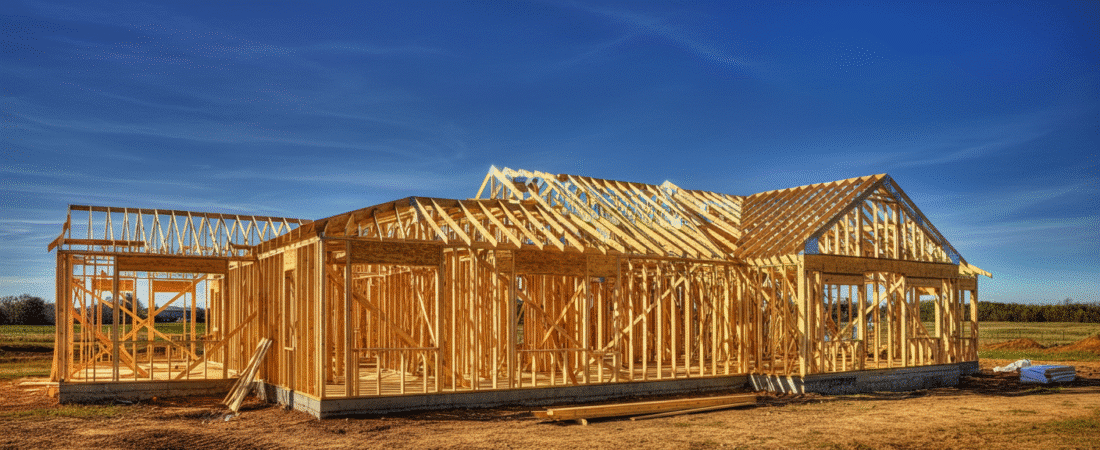

Figuring out the total cost to build ranch home designs was one of the biggest headaches I ran into when I started looking at blueprints. I remember sitting at my kitchen table with a calculator and a cold coffee, just staring at the numbers. It’s a big check to write.
Honestly, I love ranch-style houses. No stairs to climb when your knees start acting up? Sign me up. Single level living and easy accessibility are key benefits of a ranch style home, making a ranch house especially attractive for people of all ages and needs.
But getting there takes some planning. You are looking at a price tag that usually sits between $190,000 and $480,000. The average is right around $328,000. If you break it down, that is about $100 to $200 for every square foot. Ranch home ranges typically reflect these costs and can vary based on the size and style of the home. However, the average cost to build a ranch-style home is between $200,000 and $600,000, with most people paying around $340,000. A single story home layout is the most common for ranches, which helps keep construction costs straightforward and manageable. Whether you choose a ranch style house or a ranch style home, these options are known for their affordability and practicality. Many homeowners are drawn to ranch homes for their convenience, comfort, and broad appeal. Building a ranch home can also positively impact your property value, as these homes are highly desirable in many markets.
It sounds like a lot, right? Well, a huge chunk of that cash goes to the crew building it. Labor eats up about 30% to 50% of your whole budget. Knowing where your money goes is the only way to keep your sanity.
TL;DR: The Money Breakdown
Here is the quick version if you are in a rush:
| Expense Category | Estimated Cost | Notes |
|---|---|---|
| Average Total Cost | $328,000 | Most projects land here. |
| Cost Per Sq. Ft. | $100 – $200 | Varies by how fancy you get. |
| Labor Share | 30% – 50% | The crew takes the biggest slice. |
| Key Saver | Simple Floor Plan | Fewer corners mean lower costs. |
- Introduction to Building a Ranch Home
- Determining Cost Estimates
- Understanding Labor Costs
- Cost Factors and Their Impact
- Creating a Floor Plan
- Calculating the Cost to Build
- Construction Costs and Budgeting
- Permits and Fees
- Working with an Interior Designer
- General Contractor and Project Management
- Additional Costs to Consider
- Home Construction Process
Introduction to Building a Ranch Home
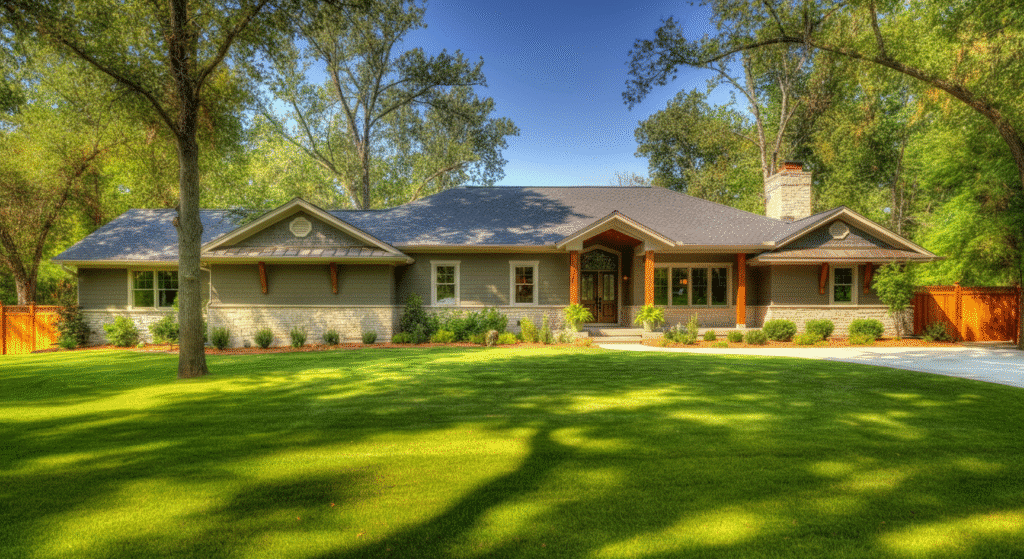
I have always liked the look of a rancher. The home style of a ranch house is defined by its open floor plan, single-story layout, and traditional yet timeless aesthetic choices. They have those nice open layouts and everything is on one level, which is a hallmark of the architectural style that originated in the 1920s. This architectural style not only shapes the home’s design but also influences the cost and features, such as roof type and materials used. It makes life easy. But building one is not exactly cheap.
Many things change the final price. The size of the house is the big one. A sprawling place needs more wood, more concrete, and more time. The materials you pick matter too. Choosing modern features, like energy-efficient windows or smart home systems, can increase upfront costs but add value and appeal. Marble counters cost way more than laminate. Also, if you want a crazy floor plan with lots of angles, your builder will charge you for the headache. These design choices have significant cost implications, so it’s important to consider how each decision will impact your overall budget.
Determining Cost Estimates
When I tried to guess my costs, I had to look at everything. You have to count the bedrooms and bathrooms. Having all the bedrooms on a single level is a major convenience, especially for families with young children, seniors, or anyone seeking easy access throughout the home. More bathrooms mean more plumbing, which means more money.
The price per square foot is a good starting point. It usually runs between $100 and $200. If you want a simple box shape, it stays low. If you want a custom design with high-end finishes, you will hit the high end of that range fast. Complex layouts, such as L-shapes or designs with numerous corners, increase framing and roofing costs compared to simple, rectangular plans. The ranch home cost can vary widely, so getting the exact cost requires considering factors like size, materials, location, and customization. Always consult with a builder to get the most accurate estimate.
“A realistic budget is your best friend in construction. If you don’t track the pennies, the dollars will disappear.”
You need to list every single cost. Don’t forget the boring stuff like permits and inspections. They aren’t fun to pay for, but you can’t build without them. Open floor plans, especially those that integrate the kitchen and dining room, and attached garages also add to the tab. Be sure to account for the total construction cost, including professional fees, materials, labor, and design, to understand your overall construction costs. Watch out for extra costs that can arise from design changes or unexpected issues during the build.
Understanding Labor Costs
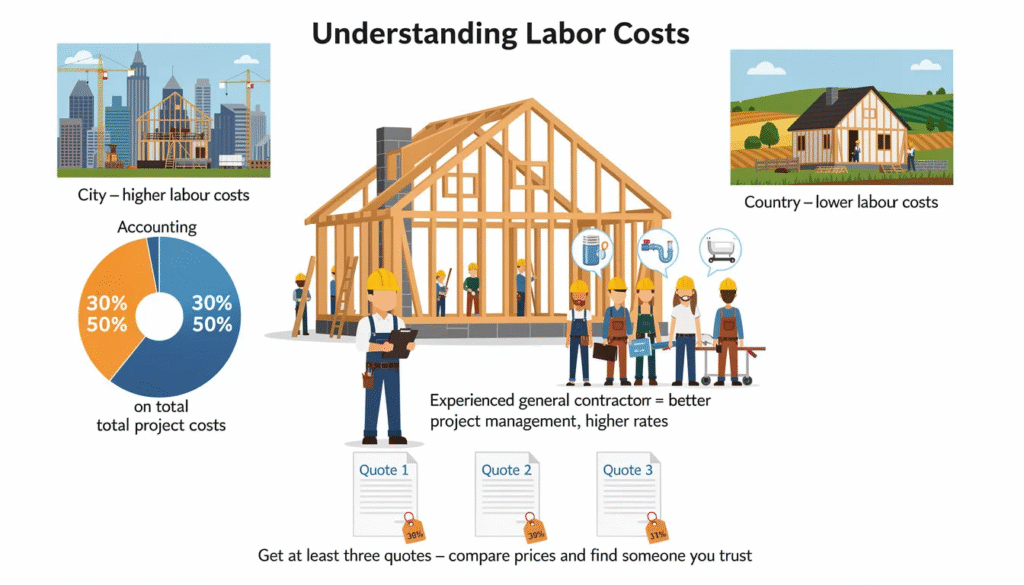
This part shocked me. Labor accounts for 30% to 50% of the total project costs. It is a huge chunk of change.
Where you live changes this number a lot, and location has a major impact on labor costs. If you build in the city, labor costs more. Out in the country, it might be a bit less. Who you hire matters too. General contractors act as project managers, overseeing the entire construction process, coordinating subcontractors, and ensuring the project stays on track and within budget. A general contractor with years of experience will charge more, but they usually run a tighter ship.
I found that getting quotes helps a ton. Ask at least three builders for their price. It helps you see if someone is charging too much. It also helps you meet the person who will spend months on your property. You want someone you can trust.
Cost Factors and Their Impact
When you’re ready to get going on building a ranch home, its dead important to know what’s really driving up that price tag. The total project cost isn’t just about how big your house is—its a right mix of several cost factors that can seriously impact your overall budget. The most obvious bit is square footage: the bigger the home, the higher the cost. Most homeowners see material and labour costs per square foot ranging from $100 to $200, depending on the finishes and features you go for.
Labour costs are another major piece of the puzzle, often making up 30% to 50% of the total project cost. Labour rates can vary a fair bit based on where you are and how experienced your crew is. High-end materials or complex designs—like custom open floor plans or unique architectural details—will also push your cost to build way higher. If you want to save some cash, stick to a simple layout and standard finishes. Getting your head around these cost factors up front helps you set a realistic construction budget and avoid any nasty surprises as you knock up a ranch that fits your needs and your wallet.
Creating a Floor Plan
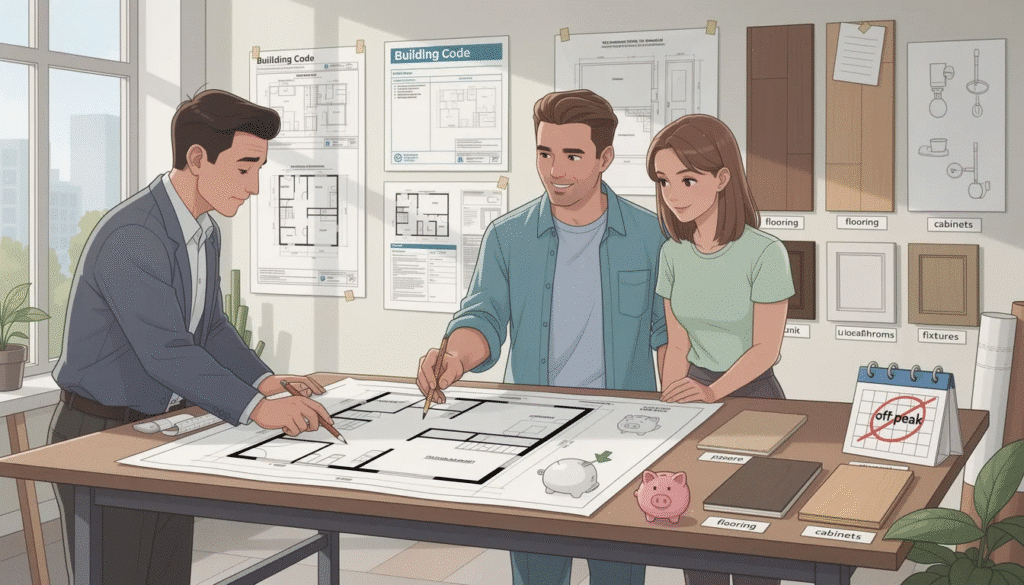
The design on paper dictates what comes out of your bank account. A good plan saves you money. I worked with a pro to get my layout right, and it was worth it.
Think about what you really need. Do you need four bathrooms? Probably not. Cutting back on extra rooms saves cash. Also, keep the shape simple. A square or rectangle house is cheap to build. Every time you add a corner or a bump-out, the price goes up. The home’s footprint—the overall size and shape of your house—directly affects foundation costs and the complexity of the build. Building during off-peak seasons can lead to potential labor savings, so timing your project wisely can also help manage costs.
When planning your layout and design, don’t forget to consider interior finishes. The choices you make for things like flooring, cabinets, and fixtures can have a big impact on your budget and the final look of your home.
Your plan also needs to follow the rules in your town. Local codes can be strict. An architect or designer knows these rules and keeps you out of trouble.
Calculating the Cost to Build
So, how do you get the final number? You have to add up the pieces.
Start with the foundation. You can choose from several options, such as a slab, basement, or a crawl space, which provides an elevated foundation and easier access to plumbing and electrical systems, but can also affect the overall cost. Then add the framing, the roof, and the stuff inside like drywall and paint. Don’t forget the “invisible” costs I mentioned earlier, like permits. The cost of building materials can fluctuate based on availability, local supply chain issues, and regional differences, so selecting the right materials and timing your purchase can significantly impact your total expenses.
Cost Components Chart:
- Foundation: Digging and pouring concrete, or building a crawl space.
- Framing: The wood skeleton of the house.
- Exterior: Siding, windows, roof, and exterior doors, all of which play a role in your exterior finishing budget.
- Systems: Plumbing, wires, air conditioning, and other major systems like HVAC and electrical. If your property isn’t connected to municipal sewer, installing a septic tank is another important system and cost to consider.
- Finishes: Floors, cabinets, and paint.
- Attached Garage: Including an attached garage can impact your overall construction costs and the layout of your ranch home.
Prioritize what matters to you. I spent more on insulation and windows to save on heating bills later. Maybe you care more about a fancy kitchen. Just know what you want before you start.
Construction Costs and Budgeting
Prices change based on where you put the shovel in the ground. Materials cost different amounts in different states.
When planning your project, be sure to include pre construction considerations such as permits, home design, and hiring your team, as these can significantly impact your overall costs. Make a total budget that covers everything, including itemized expenses and a contingency fund for unexpected costs. A contingency fund of 15% or more is recommended for unexpected expenses during construction. Then, add a “cushion” fund. Unexpected things happen. Maybe the soil is rocky, or lumber prices spike. If you have extra cash set aside, you won’t panic.
Don’t forget about initial costs like permits, land clearing, and professional services, as these upfront expenses can vary depending on your location and project scope. The cost of permits for building a ranch home can range from $500 to $2,000. These costs are essential to ensure your project complies with local regulations and avoids delays.
Work with your general contractor on this. A good one will tell you if your ideas are too expensive. They help you stay on track so you don’t run out of money halfway through the build.
Permits and Fees
Before you can get going on your new build, you’ll need to get all the right permits sorted. The cost of a building permit and all the related bits and bobs can run you anywhere from $2,000 to $7,500, depending on where you’re at and just how big your ranch home project is going to be. These costs cover not just the main building permit, but also all the extra permits for electrical, plumbing, and HVAC work—each one needed to keep the local building codes happy.
Its dead simple to forget about these expenses when you’re knocking together your cost estimates, but they’re a proper necessary part of the whole construction process. Failing to budget for permits can land you in a right mess with delays and unexpected costs further down the line. A cracking general contractor will help you get through all the permitting faff and make sure all the paperwork is spot on, so you can focus on the bigger picture. Always pop permit costs into your initial construction budget to keep your project ticking along nicely from day one.
Working with an Interior Designer
I thought hiring a designer was just for rich people. I was wrong. They actually help you make smart choices.
A designer helps you pick materials that look good but fit your budget. They help with the layout so furniture actually fits in the room. It stops you from buying the wrong stuff and wasting money.
Find a designer who knows ranch homes. They will understand the flow of a single-story house. They also handle the headaches of finding tiles and paint colors so you don’t have to.
General Contractor and Project Management
Getting yourself a general contractor is honestly one of the smartest moves you can make when you’re building a ranch home. A general contractor is brilliant at handling all the project management bits from start to finish—sorting out the subcontractors, keeping the construction schedule ticking along nicely, and making dead sure your home project meets all the building codes and that. Their know-how really helps keep the whole construction process running like clockwork and makes certain that your ranch home gets built to proper standards.
The cost of hiring a general contractor usually works out to somewhere between 10% and 20% of your total project cost. This fee covers their time, all the overhead bits, and their profit, but it also buys you a cracking amount of peace of mind. With a pro managing all the fiddly details, you’re much less likely to run into any costly cock-ups or annoying delays. Good project management means loads better communication, way fewer headaches, and a finished ranch home that actually matches your vision and keeps within your budget—which is brilliant really.
Additional Costs to Consider
Beyond the dead obvious building costs, there are loads of extra expenses that can seriously whack your overall construction budget. First up, there’s the cost of land, which can vary like crazy based on where you’re after, lot size, and zoning rules. Once you’ve got your hands on your property, you’ll need to budget for site prep—things like excavation, grading, and soil testing—which can slap on £5,000 to £15,000 to your total cost, no kidding.
Don’t forget about landscaping and exterior bits and bobs. Getting retaining walls, driveways, and outdoor living spaces sorted can set you back anywhere from £5,000 to £20,000 or more, depending on what you’re planning to knock up. Working with a landscape architect or interior designer can help you make some cracking choices and create a proper cohesive look for your dream home. By factoring these extra costs into your construction budget from the get-go, you’ll be way better prepared for the true total cost of building your ranch home—and a lot less likely to get caught off guard by last-minute expenses that’ll knock you for six.
Home Construction Process
It helps to know the steps so you aren’t surprised.
- Pre-Construction: This is the paperwork phase. You test the soil and get your permits approved. A thorough site assessment is crucial at this stage to evaluate the land, conduct surveys, and ensure the site is suitable for building.
- Construction: This is the loud part. They pour the foundation, put up the frame, and add the roof. Then the plumbers and electricians come in to run pipes and wires. If there is an existing structure on the property, it will need to be demolished before construction can begin.
- Finishing: This is where it starts to look like a home. They hang drywall, put in floors, and install cabinets. The finished home will feature a well-organized living space, with main functional areas designed for comfort and convenience.
Stay close to your contractor during this time. Ask questions. If something looks wrong, say something. It is your house, after all, and building your own home gives you the opportunity to ensure everything meets your expectations.
Building a home is a wild ride, but walking through your own front door for the first time? That feeling is unbeatable.
