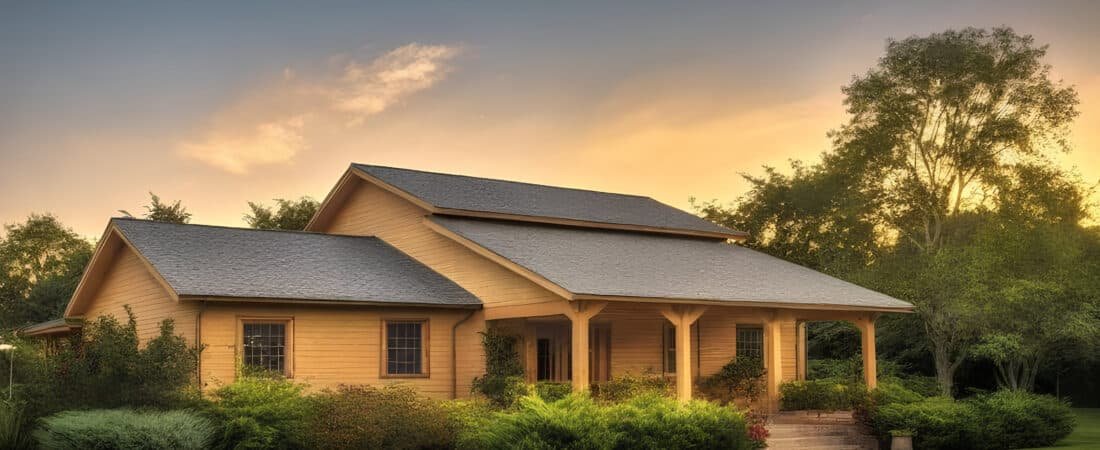

Key Takeaways
- Farmhouse architecture originated in 18th-century America as practical, functional homes for agricultural families
- Traditional farmhouse features include gabled roofs, wraparound porches, board and batten siding, and large functional kitchens
- Modern farmhouse style blends rustic charm with contemporary elements like open floor plans and sleek finishes
- Essential materials include natural wood, stone, metal roofing, and large black-framed windows for connecting indoor and outdoor spaces
- Contemporary farmhouse architecture emphasizes sustainability, energy efficiency, and seamless indoor-outdoor living
Farmhouse architecture represents one of America’s most beloved and enduring residential styles, capturing the essence of rural simplicity while adapting to contemporary lifestyles. This timeless aesthetic has evolved from purely functional agricultural dwellings into sophisticated homes that blend rustic charm with modern functionality. Whether you’re drawn to traditional farmhouses with their weathered wood and wraparound porches or prefer sleek contemporary farmhouse designs with clean lines and expansive windows, understanding this architectural style’s rich history and defining characteristics will help you create your perfect rural-inspired home.
From the practical origins rooted in 18th-century agricultural settlements to today’s sustainable and technology-integrated interpretations, farmhouse architecture continues to inspire architects, designers, and homeowners seeking authentic, comfortable living spaces. This comprehensive guide explores every aspect of farmhouse design, from historical development and regional variations to modern features and planning considerations, providing you with the knowledge needed to appreciate and implement this beloved American architectural tradition.
- Origins and Historical Development of Farmhouse Architecture
- Defining Characteristics of Traditional Farmhouse Style
- Exterior Design Elements and Materials
- Interior Layout and Design Features
- Modern Farmhouse Architecture
- Regional Variations and Adaptations
- Sustainable and Eco-Friendly Features
- Planning Your Farmhouse Project
- FAQ
Origins and Historical Development of Farmhouse Architecture
Farmhouse architecture emerged as America’s quintessential rural building style during the 18th and 19th centuries, born from the practical needs of agricultural families settling across the expanding nation. Early farmhouses were designed with functionality as the primary concern, creating durable structures that could withstand harsh weather while providing comfortable homes for large families and supporting the demands of agricultural life. The farmhouse style emerged during this period as simple, utilitarian homes created by American settlers.
The earliest American farmhouses drew heavily from European immigrant building traditions, with settlers bringing construction techniques from England, Germany, Scandinavia, and other regions. These influences created regional variations that reflected both Old World heritage and New World adaptability. Dutch settlers in New York introduced gambrel roofs and stone construction, while German immigrants brought their timber framing expertise to Pennsylvania, creating the distinctive Pennsylvania Dutch farmhouse style that featured massive stone walls and steep-pitched roofs.
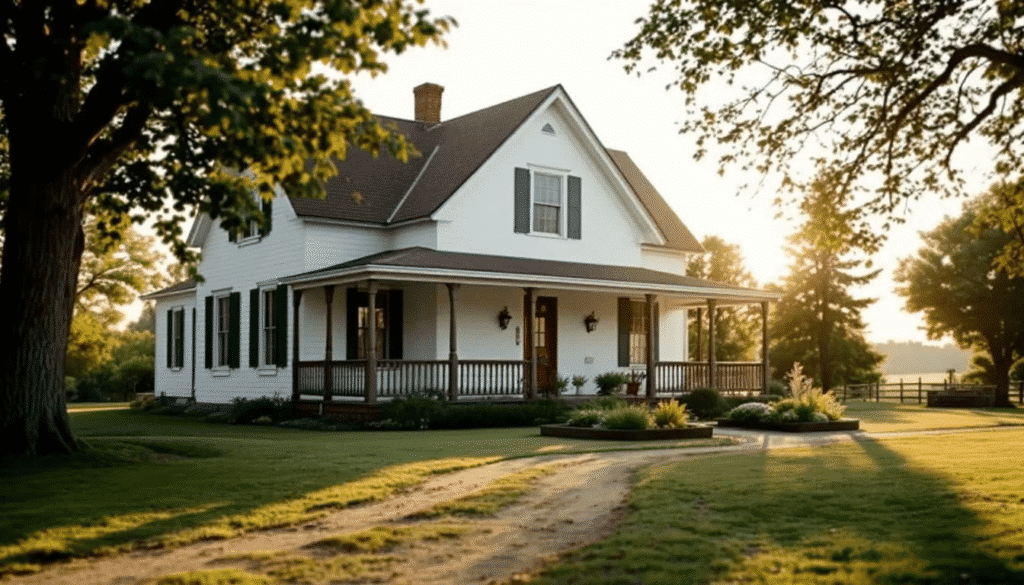
Regional variations across the United States developed as settlers adapted their building techniques to local climates, available materials, and cultural preferences. New England farmhouses featured the iconic saltbox profile with its distinctive asymmetrical roofline, designed to shed snow efficiently while maximizing interior space. These homes often incorporated connected barns and outbuildings, creating a continuous sheltered workspace essential for surviving harsh winters.
Southern farmhouse architecture evolved differently, emphasizing cooling strategies and outdoor living. Plantation-style farmhouses featured raised foundations for improved ventilation, deep porches for shade, and the innovative dogtrot design – an open breezeway between two main structures that promoted cross-ventilation. Midwestern farmhouses drew inspiration from prairie landscapes, incorporating barn-inspired designs with wide eaves and horizontal emphasis that complemented the expansive agricultural terrain.
The transformation from purely functional structures to beloved architectural style began in the early to mid-20th century as farmhouse architecture gained recognition as a symbol of American heritage and rural authenticity. This evolution accelerated in suburban and urban settings, where the farmhouse aesthetic became associated with wholesome family values and connection to nature, leading to widespread adoption beyond agricultural contexts.
Defining Characteristics of Traditional Farmhouse Style
Traditional farmhouse style embodies core design principles rooted in practicality, durability, and honest use of materials. These homes prioritize function over ornamentation, creating spaces that serve multiple purposes while maintaining visual harmony through simple, well-proportioned forms. The essence of traditional farmhouses lies in their ability to provide comfortable, efficient living spaces that reflect the rhythms of rural life and the demands of agricultural work.
Gabled rooflines and steep pitches represent one of the most recognizable features of traditional farmhouse architecture. These roofs serve multiple practical purposes: effectively shedding rain and snow, providing valuable attic storage space, and creating the distinctive silhouette that defines the farmhouse aesthetic. The steep pitch also allows for natural ventilation and temperature regulation, reducing the need for mechanical cooling systems.
Wraparound porches define the outdoor living culture central to farmhouse lifestyle, providing weather-sheltered spaces for relaxation, work activities, and social gatherings. These large porches serve as transitional spaces between indoor and outdoor environments, extending the home’s functional area while creating welcoming facades that embody rural hospitality. The covered areas protect main entrances from weather while offering shaded retreats during hot summer months.

Symmetrical facades with centrally located front doors create visual balance and reflect the orderly, purposeful nature of farmhouse design. This classical proportion system emphasizes simplicity and restraint, avoiding unnecessary decoration in favor of well-balanced proportions and harmonious relationships between windows, doors, and architectural elements. The central door arrangement also facilitates efficient traffic flow and creates natural focal points for the home’s primary entrance.
Practical window placement maximizes natural light and cross-ventilation, essential considerations in an era before electric lighting and mechanical cooling systems. Large windows were strategically positioned to capture morning and evening light while promoting airflow through the house. Double-hung windows with divided light patterns became standard features, providing both functional ventilation control and the distinctive aesthetic character associated with farmhouse style.
Large, functional kitchens serve as the heart of farmhouse family life, designed to accommodate multiple activities from food preparation and preservation to informal dining and homework. These spacious kitchens often featured central islands or large work tables, extensive storage for preserving seasonal harvests, and direct access to outdoor spaces for convenient food processing and storage activities. The kitchen’s central location reflects its importance as both a workspace and the primary family gathering area.
Multi-purpose rooms accommodate both work and living activities, demonstrating the farmhouse principle of efficient space utilization. Mudrooms serve as transition spaces for removing work clothes and boots, dining rooms double as workspaces during busy seasons, and bedrooms include storage for seasonal clothing and equipment. This flexibility allows farmhouse layouts to adapt to changing needs throughout daily routines and seasonal cycles.
Exterior Design Elements and Materials
Farmhouse exterior design emphasizes simplicity and functionality through careful selection of durable materials and restrained architectural details. The aesthetic prioritizes authentic materials that age gracefully while maintaining their structural integrity, creating homes that become more beautiful over time as natural weathering processes add character and patina to surfaces.
Traditional siding options showcase the farmhouse commitment to natural materials and practical construction techniques. Clapboard siding provides excellent weather protection through its overlapping horizontal boards, creating distinctive shadow lines that add visual texture. Board and batten siding alternates wide boards with narrow strips, originally designed to seal joints while creating vertical emphasis that complements gabled roofs. Shiplap siding offers tight-fitting horizontal boards that shed water effectively while providing smooth, clean-lined surfaces. Cedar shingles add rustic texture and natural color variation, particularly popular in coastal and forested regions where cedar trees provide readily available building materials.
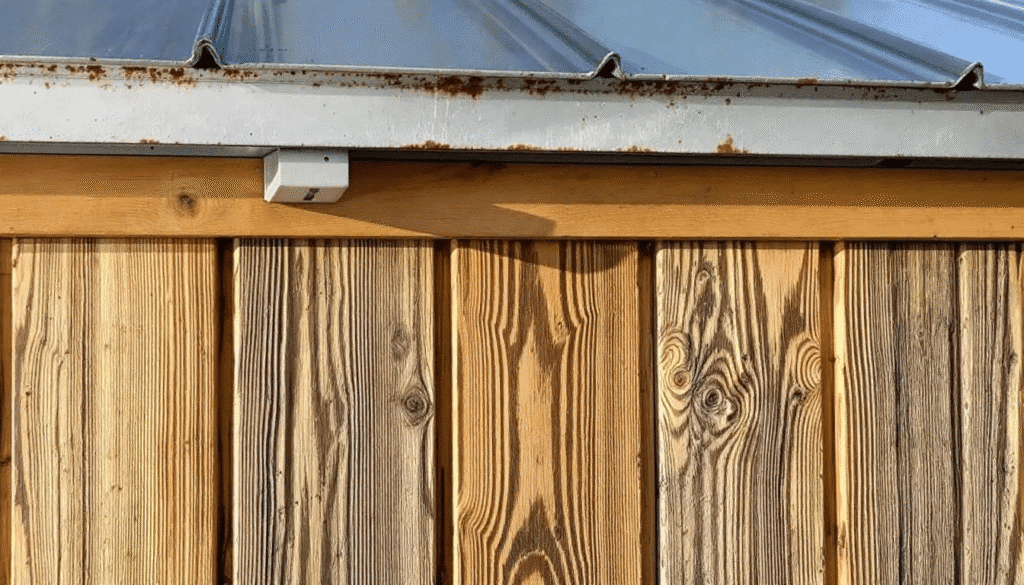
Roofing materials prioritize durability and weather resistance over decorative appeal. Metal standing seam roofing has become synonymous with farmhouse architecture, offering exceptional longevity, fire resistance, and efficient water shedding. The clean lines of metal roofing complement the geometric simplicity of farmhouse design while providing practical benefits including snow shedding and low maintenance requirements. Asphalt shingles offer cost-effective protection with improved aesthetic options, while slate provides premium durability and natural beauty for higher-end projects.
Window styles reflect both practical and aesthetic considerations, with double-hung windows providing excellent ventilation control and easy cleaning access. Casement windows offer superior weather sealing and unobstructed views, while picture windows maximize natural light and create visual connections with outdoor spaces. Divided light patterns, featuring multiple glass panes separated by muntins, add visual interest and historical authenticity while reducing the impact of large glass surfaces on the overall composition.
Color palettes embrace the farmhouse connection to nature through classic white, barn red, sage green, and natural wood tones. White remains the most popular choice for its ability to reflect heat, highlight architectural details, and provide a crisp, clean appearance that complements any landscape setting. Barn red celebrates agricultural heritage while creating warm, welcoming exteriors that stand out against green rural landscapes. Natural wood finishes showcase material authenticity and age gracefully through weathering processes.
Architectural details include exposed rafter tails, decorative brackets, and rustic hardware that add visual interest without overwhelming the overall simplicity. Exposed rafter tails extend beyond the wall line, creating shadow lines and visual depth while honestly expressing the home’s structural system. Decorative brackets support porches and roof overhangs, providing both structural reinforcement and craftsmanship details that reflect traditional building techniques. Rustic hardware, including strap hinges, thumb latches, and wrought iron accessories, adds authentic period character and tactile appeal.
Interior Layout and Design Features
Farmhouse interior design prioritizes comfort and functionality through thoughtful space planning that brings families together while accommodating the practical demands of rural living. The interior aesthetic celebrates natural materials, handcrafted elements, and flexible spaces that serve multiple functions throughout daily routines and seasonal changes.
Open floor plans connect kitchen, dining, and living areas to create generous family gathering spaces that reflect contemporary lifestyle preferences while maintaining farmhouse hospitality traditions. This connected layout facilitates family interaction during meal preparation, homework supervision, and informal entertaining. The removal of walls between functional areas creates visual spaciousness and improves natural light distribution throughout the home’s primary living spaces.
Exposed structural elements including ceiling beams, posts, and rustic wood trusses celebrate the honest use of materials central to farmhouse design philosophy. Heavy timber framing creates dramatic interior architecture while providing necessary structural support for open floor plans and second-story loads. These exposed elements add visual warmth and textural interest while connecting interior spaces to the home’s construction heritage and craftsmanship traditions.
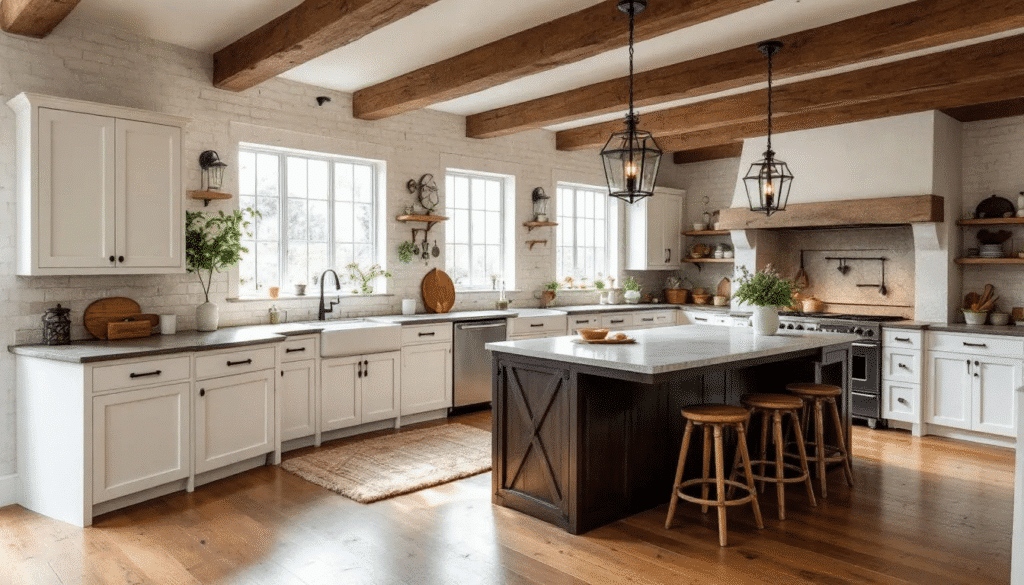
Farmhouse kitchen features emphasize both functionality and aesthetic appeal through oversized islands, apron-front sinks, and shaker-style cabinetry that provide generous workspace and storage capacity. Large islands serve as prep areas, informal dining spaces, and homework stations, creating multi-functional centers for family activity. Apron-front sinks, also known as farmhouse sinks, offer deep basins suitable for large pots and farm-fresh produce washing while adding distinctive visual character. Shaker-style cabinetry provides clean lines and excellent storage efficiency through simple, well-proportioned door and drawer designs.
Natural materials throughout interior spaces include reclaimed wood floors, stone countertops, and brick accent walls that connect indoor environments to natural landscapes and agricultural heritage. Reclaimed wood flooring adds character and sustainability while providing durable surfaces that improve with age and use. Natural stone countertops offer heat resistance and unique patterns that complement farmhouse emphasis on authentic materials. Brick accent walls create focal points and textural contrast while referencing traditional building techniques and materials.
Built-in storage solutions address the farmhouse need for organized, efficient homes through mudrooms, pantries, and window seats that maximize space utilization. Mudrooms provide dedicated areas for removing and storing outdoor clothing, boots, and equipment while protecting main living areas from dirt and moisture. Walk-in pantries accommodate bulk food storage and preserve seasonal harvests, essential for self-sufficient rural living. Window seats combine comfortable seating with hidden storage while creating cozy reading corners that take advantage of natural light.
Cozy gathering spaces including breakfast nooks, reading corners, and family rooms with fireplaces create intimate areas for relaxation and family bonding within larger open floor plans. These smaller-scale spaces provide refuge from busy family areas while maintaining visual connections through interior windows or open doorways. Fireplaces serve as natural focal points and practical heat sources, creating warm gathering spots during cold weather while adding visual weight and traditional character to interior spaces.
Modern Farmhouse Architecture
Modern farmhouse architecture represents a contemporary interpretation of classic farmhouse style that preserves essential rural charm while embracing current design trends and technological innovations. This evolution addresses today’s lifestyle demands through updated materials, expanded spaces, and enhanced connections between indoor and outdoor environments, creating homes that feel both timeless and thoroughly modern. Many contemporary farmhouses incorporate sustainable building practices and materials, aligning with modern environmental values.
Clean lines and minimal ornamentation distinguish modern farmhouse designs from their traditional counterparts while preserving the essential simplicity and functionality that define the style. Contemporary architects remove decorative elements in favor of crisp edges, geometric forms, and carefully proportioned spaces that emphasize material quality and spatial relationships. This refined approach maintains farmhouse authenticity while appealing to modern aesthetic preferences for uncluttered, sophisticated interiors. Contemporary farmhouses often include a mix of rustic materials like reclaimed wood with modern finishes such as polished concrete and glass, creating a harmonious blend of old and new.
Large black-framed windows and sliding glass doors create dramatic focal points while establishing strong visual connections between interior and outdoor spaces. These oversized openings maximize natural light penetration and provide unobstructed views of surrounding landscapes, enhancing the farmhouse tradition of connecting homes to their natural settings. Black window frames add contemporary contrast against white or light-colored siding while creating striking geometric patterns that define modern farmhouse aesthetics. Contemporary farmhouses often include features like sliding glass doors or folding walls that open onto patios or gardens, further enhancing indoor-outdoor living.
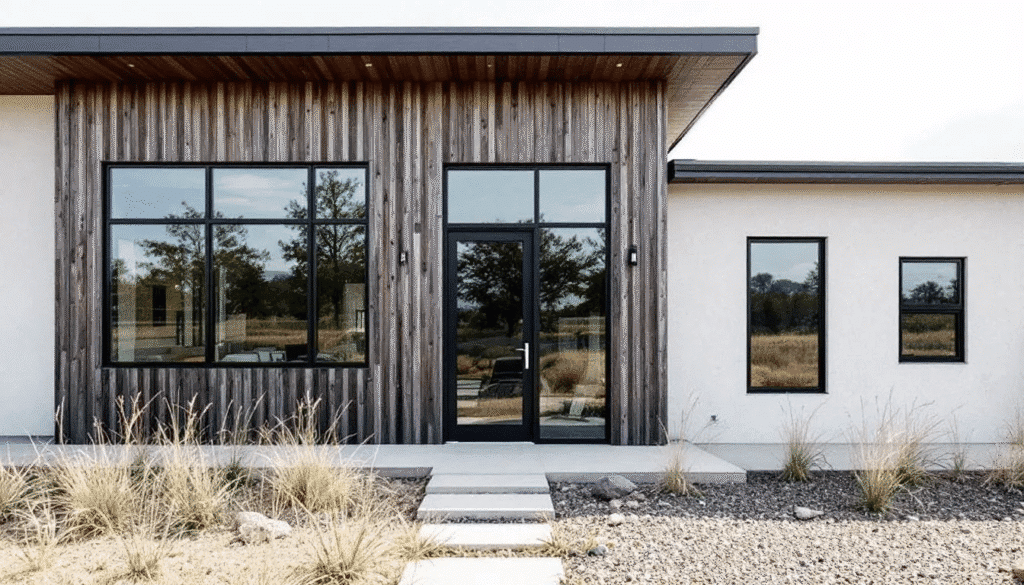
Mixed materials combine traditional wood with modern steel, concrete, and glass to create sophisticated compositions that honor farmhouse heritage while embracing contemporary construction techniques. Steel beams and columns provide structural support for large openings and cantilevers while adding industrial character that complements rural aesthetics. Concrete elements offer durability and thermal mass while providing smooth, minimalist surfaces that contrast with textured wood and stone. Large glass panels maximize transparency and create seamless transitions between indoor and outdoor environments.
Updated color schemes featuring crisp whites, charcoal grays, and bold accent colors refresh traditional farmhouse palettes while maintaining the style’s connection to natural landscapes. Bright white exteriors provide clean, contemporary appearances that highlight architectural details and create striking contrasts with dark window frames and roofing materials. Charcoal gray accents add sophistication and depth while complementing natural wood tones and stone materials. Bold accent colors through doors, shutters, and landscaping elements personalize homes while maintaining overall design coherence.
Smart home technology integration maintains farmhouse aesthetic appeal while providing contemporary conveniences including automated lighting, climate control, and security systems. Hidden wiring and discreet device placement preserve clean interior lines while offering sophisticated control over home environments. Voice-activated systems and smartphone integration provide convenience without compromising the farmhouse emphasis on simplicity and natural materials. Energy monitoring and automated systems enhance sustainability while reducing maintenance demands on busy homeowners.
Modern farmhouse plans emphasize flexibility and adaptability through spaces that accommodate changing family needs and work-from-home requirements. Home offices integrate seamlessly into open floor plans while maintaining visual connections to family areas. Exercise rooms, craft spaces, and media rooms provide dedicated activity areas without compromising the farmhouse emphasis on multi-functional living. Flexible furniture arrangements and moveable partitions allow spaces to serve different functions throughout daily routines and special occasions.
Regional Variations and Adaptations
Farmhouse style demonstrates remarkable adaptability through regional variations that reflect local climates, cultural influences, and available building materials. These geographic adaptations preserve core farmhouse principles while addressing specific environmental challenges and lifestyle preferences, creating distinctive regional character that enhances the style’s authenticity and relevance.
New England farmhouses showcase connected barns, saltbox profiles, and weathered cedar that reflect the region’s harsh winters and maritime influences. Connected barns allow farmers to access livestock and stored equipment without exposure to severe weather, creating practical building complexes that define New England rural landscapes. The saltbox profile, featuring a long sloping rear roof, maximizes interior space while efficiently shedding snow and providing protected north-facing walls. Weathered cedar siding develops beautiful silvery patinas that complement coastal environments while providing excellent weather resistance.
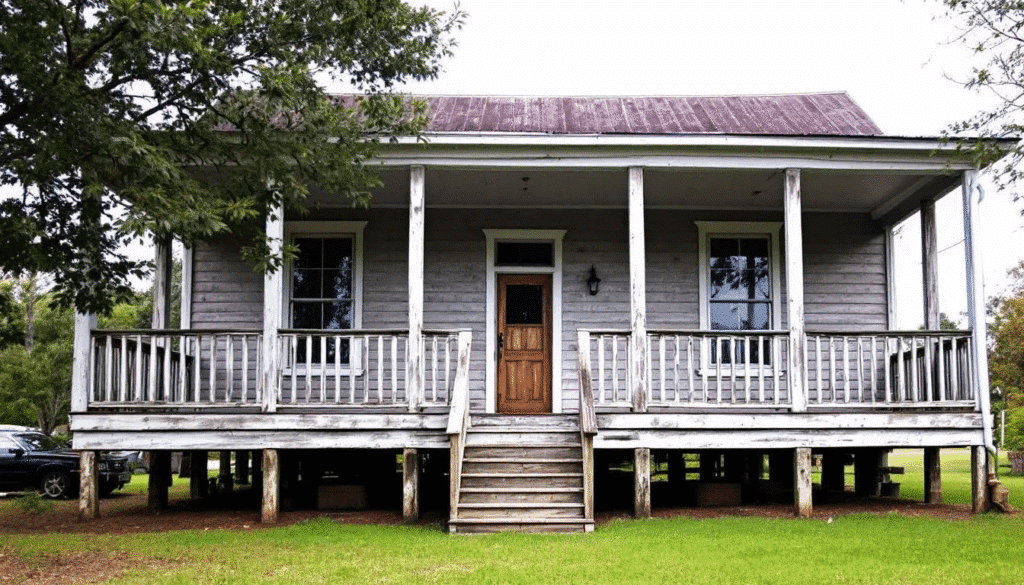
Southern farmhouses emphasize raised foundations, deep porches, and dogtrot designs that promote cooling and outdoor living in hot, humid climates. Raised foundations improve air circulation beneath homes while protecting against flooding and moisture problems common in southern regions. Deep porches provide essential shade and create comfortable outdoor rooms for socializing during warm evenings. Dogtrot designs feature open breezeways between main living areas, promoting cross-ventilation and creating covered outdoor workspaces.
Midwestern farmhouses incorporate prairie influences, wide eaves, and horizontal emphasis that complement the region’s expansive agricultural landscapes and extreme weather conditions. Prairie influences include low-pitched roofs and extended horizontal lines that echo the flat horizon lines characteristic of Great Plains geography. Wide eaves provide protection from both intense summer sun and driving snow while creating distinctive shadow lines that add visual depth. Horizontal emphasis through window arrangements and siding patterns complement the region’s agricultural character and vast open spaces.
Western farmhouses blend ranch-style elements, natural stone, and mountain cabin influences that reflect diverse geography ranging from deserts to mountain forests. Ranch-style elements include single-story layouts and integrated outdoor living areas that suit informal western lifestyles and dramatic landscape settings. Natural stone construction utilizes locally available materials while providing durability and fire resistance important in many western climates. Mountain cabin influences include heavy timber construction and steep roofs suitable for snow loads in elevated locations.
Contemporary urban farmhouse adaptations address the challenges of city lots and suburban neighborhoods while preserving essential farmhouse character through creative design solutions. Narrow lot adaptations include vertical emphasis and reduced footprints that maintain farmhouse proportions within constrained urban sites. Garage integration creates cohesive facades while accommodating parking requirements uncommon in original rural farmhouses. Privacy solutions including strategically placed windows and screening elements maintain farmhouse openness while addressing urban density concerns.
Suburban farmhouse developments demonstrate how builders adapt farmhouse aesthetics to planned communities through varied facades, clustered amenities, and landscape design that creates rural character within suburban contexts. Varied facades prevent monotonous streetscapes while maintaining design coherence through shared materials and proportional systems. Clustered amenities including community gardens and recreational facilities recreate rural community aspects within suburban settings. Landscape design emphasizes native plants and natural materials that support farmhouse connections to regional ecosystems and agricultural heritage.
Sustainable and Eco-Friendly Features
Modern farmhouse design embraces environmental responsibility through sustainable building practices that align with the style’s traditional connection to land stewardship and resource conservation. Contemporary sustainable features enhance farmhouse efficiency while preserving aesthetic authenticity, creating homes that honor both environmental values and architectural heritage.
Energy-efficient windows, insulation, and HVAC systems reduce environmental impact while improving comfort and lowering operating costs. High-performance windows feature multiple panes, low-emissivity coatings, and insulated frames that minimize heat transfer while maintaining the large window sizes essential to farmhouse design. Advanced insulation systems including spray foam and rigid board products create continuous thermal barriers that prevent air leakage and improve energy efficiency. Modern HVAC systems provide precise climate control while reducing energy consumption through variable-speed motors and smart controls.
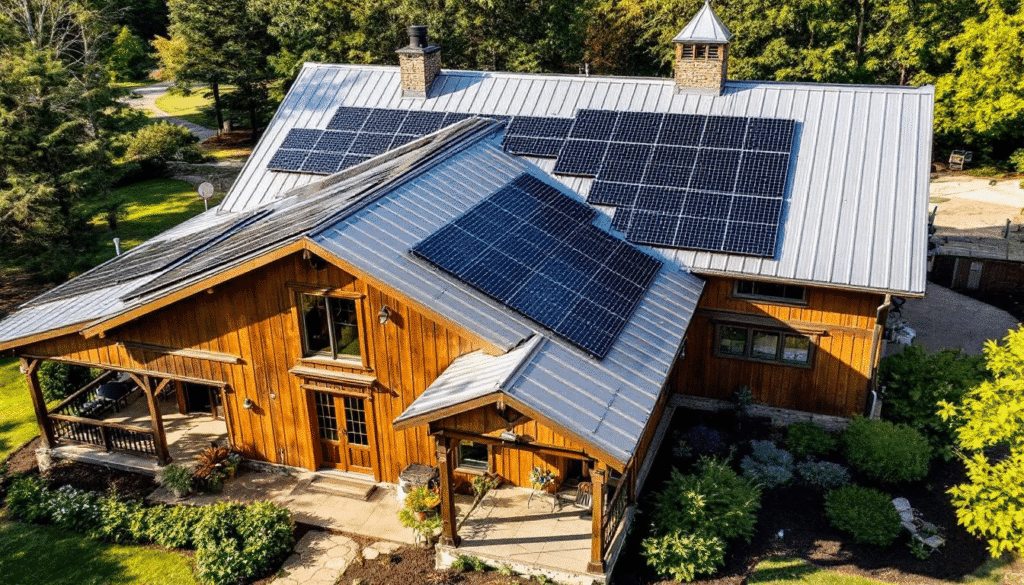
Solar panels and renewable energy integration demonstrate how sustainable technology adapts to traditional farmhouse aesthetics through careful placement and design coordination. Roof-mounted solar arrays utilize the large roof areas typical of farmhouse designs while maintaining visual harmony through black panels that complement metal roofing materials. Ground-mounted systems provide alternatives for homes with shaded or unsuitable roof conditions while creating interesting landscape features. Battery storage systems enable energy independence while supporting rural lifestyle values of self-sufficiency.
Reclaimed and locally sourced building materials reduce environmental impact while enhancing farmhouse authenticity through genuine aged materials and regional character. Reclaimed wood flooring, beams, and siding provide unique patina and character impossible to achieve with new materials while diverting waste from landfills. Locally quarried stone reduces transportation costs and environmental impact while ensuring materials complement regional architecture and landscapes. Recycled metal roofing and hardware provide durability and character while reducing demand for virgin materials.
Rain water collection systems and drought-resistant landscaping address water conservation while supporting farmhouse traditions of resource management and self-sufficiency. Cisterns and rain barrels collect roof runoff for irrigation and non-potable uses, reducing demand on municipal water supplies while providing emergency water storage. Drought-resistant native plants reduce irrigation requirements while supporting local ecosystems and wildlife. Permeable paving materials allow rainwater infiltration while providing durable surfaces for driveways and walkways.
Natural ventilation strategies reduce mechanical cooling needs through cross-ventilation, thermal mass, and passive solar design that utilize natural forces to maintain comfortable indoor environments. Strategic window placement creates cross-breezes that naturally cool interior spaces during moderate weather conditions. Thermal mass through stone floors and walls moderates temperature swings by storing and releasing heat energy throughout daily cycles. Passive solar design optimizes building orientation and window placement to maximize winter heat gain while minimizing summer overheating.
Green building certification programs including LEED and Energy Star provide frameworks for achieving measurable sustainability goals while maintaining farmhouse design integrity. These programs establish performance standards for energy efficiency, water conservation, and indoor air quality while allowing design flexibility to preserve architectural character. Third-party verification ensures sustainable features perform as intended while providing marketing benefits for environmentally conscious homeowners. Certification also facilitates access to utility rebates and tax incentives that offset additional costs for sustainable features.
Planning Your Farmhouse Project
Successful farmhouse design and construction requires careful planning that balances aesthetic goals with practical considerations including site selection, budget management, and regulatory compliance. Understanding these fundamental planning elements ensures projects achieve authentic farmhouse character while meeting contemporary performance standards and lifestyle requirements.
Site selection emphasizes orientation for natural light and prevailing winds while considering views, privacy, and accessibility requirements that support farmhouse indoor-outdoor living principles. South-facing orientations maximize passive solar gain and natural light while providing opportunities for outdoor living areas and kitchen gardens. Prevailing wind analysis identifies cooling breezes during summer months and protection needs during winter storms. Elevation changes and mature vegetation create privacy and visual interest while providing windbreaks and foundation for landscape design.
Budget considerations balance authentic materials versus cost-effective alternatives while prioritizing investments that provide the greatest impact on farmhouse character and long-term performance. Natural materials including wood siding, stone foundations, and metal roofing provide authenticity and durability but require significant upfront investment. Cost-effective alternatives including fiber cement siding and architectural shingles can achieve similar appearances while reducing initial costs. Strategic material allocation focuses premium materials on high-visibility areas while using alternatives in less prominent locations.
Working with architects and builders experienced in farmhouse style ensures projects achieve authentic character while meeting contemporary performance standards and building codes. Experienced professionals understand the design principles and construction techniques that create genuine farmhouse character while avoiding superficial interpretations that lack depth and authenticity. Portfolio review reveals previous work quality and design sensibility while client references provide insights into communication and project management capabilities.
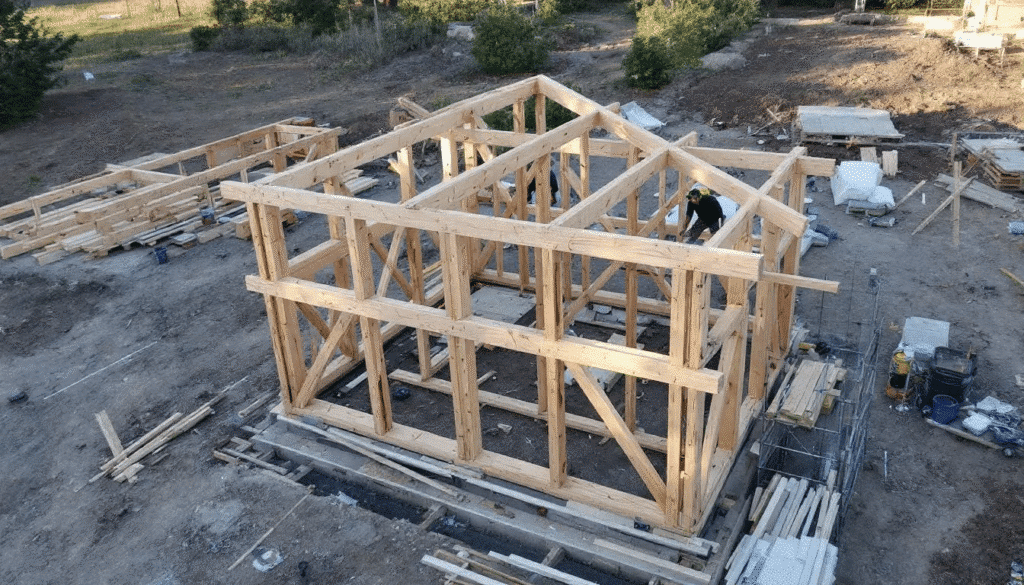
Permit requirements and building codes vary significantly between rural versus urban locations, affecting design options and construction schedules that influence project planning and budget allocation. Rural locations often provide greater design flexibility but may require septic systems, wells, and private utilities that add complexity and cost. Urban locations face stricter setback requirements, height limits, and design review processes that constrain farmhouse proportions and features. Early consultation with local building officials identifies requirements and constraints that affect design development and permit approval timelines.
Timeline expectations for custom farmhouse construction projects typically range from twelve to eighteen months from design initiation to final occupancy, depending on project complexity, material availability, and weather conditions. Design development including architect selection, programming, and permit approval often requires three to six months depending on project complexity and local review processes. Construction timelines vary based on size, complexity, and seasonal conditions, with custom millwork and specialty materials potentially extending schedules. Weather delays, change orders, and inspection schedules create additional variables that affect final completion dates.
Cost management strategies include value engineering, phased construction, and material selection that optimize farmhouse character within available budgets while maintaining quality and performance standards. Value engineering identifies cost-reduction opportunities that preserve essential farmhouse features while eliminating unnecessary expenses. Phased construction allows completion of core living spaces with future additions planned for porches, garages, or additional rooms as budgets allow. Material selection balances appearance, performance, and cost through strategic use of premium and standard materials based on visibility and functional requirements.
Quality control measures ensure construction meets design intent and performance standards through regular inspections, material verification, and progress monitoring that prevent costly corrections and delays. Regular site visits during construction identify problems early when corrections are less expensive and disruptive. Material verification ensures specified products are installed correctly and meet performance requirements. Progress monitoring tracks schedule adherence and identifies potential delays that allow proactive problem-solving.
FAQ
What’s the difference between traditional farmhouse and modern farmhouse architecture?
Traditional farmhouse architecture emphasizes purely functional design with rustic, weathered materials, smaller segmented rooms, and minimal ornamentation reflecting its agricultural origins. Modern farmhouse architecture maintains the essential simplicity and natural materials but incorporates contemporary elements like open floor plans, large black-framed windows, mixed materials including steel and concrete, and updated technology while preserving the style’s rural charm and connection to nature. Industrial Farmhouse incorporates elements like metal and exposed brick, adding a rugged, urban edge to the traditional aesthetic.
Can farmhouse style work in urban or suburban settings?
Yes, farmhouse style adapts successfully to urban and suburban environments through creative design solutions that preserve essential character while addressing density and lot size constraints. Urban adaptations include vertical emphasis for narrow lots, integrated parking solutions, privacy screening, and reduced outdoor space requirements. Suburban developments utilize varied facades, shared community amenities, and landscape design to create rural character within planned neighborhoods.
What are the most cost-effective ways to achieve authentic farmhouse design?
Cost-effective farmhouse design focuses on proportion, materials, and details rather than expensive custom elements. Prioritize authentic window arrangements and roof lines, use fiber cement board and batten siding instead of real wood in less visible areas, choose architectural shingles over metal roofing, and invest in quality front porch elements and entry doors where impact is greatest. Simple color schemes, exposed ceiling beams, and farmhouse sinks provide character without major structural costs.
How do I maintain the character of farmhouse architecture while adding modern amenities?
Modern amenities integrate successfully through careful placement and design coordination that preserves farmhouse simplicity. Hide technology components like smart home controls and entertainment systems within traditional cabinetry, use period-appropriate light fixtures with LED technology, incorporate modern appliances with panel-ready facades, and design additions that complement existing proportions and materials while serving contemporary functions.
What are the best materials for farmhouse exteriors in different climates?
Material selection varies by climate: humid regions benefit from moisture-resistant materials like cedar siding and metal roofing with proper ventilation; cold climates require materials that handle freeze-thaw cycles like fiber cement siding and architectural shingles; hot, dry regions suit stucco exteriors and tile roofing; and coastal areas need corrosion-resistant materials like aluminum windows and galvanized hardware. All climates benefit from proper moisture barriers and ventilation systems regardless of exterior materials.
