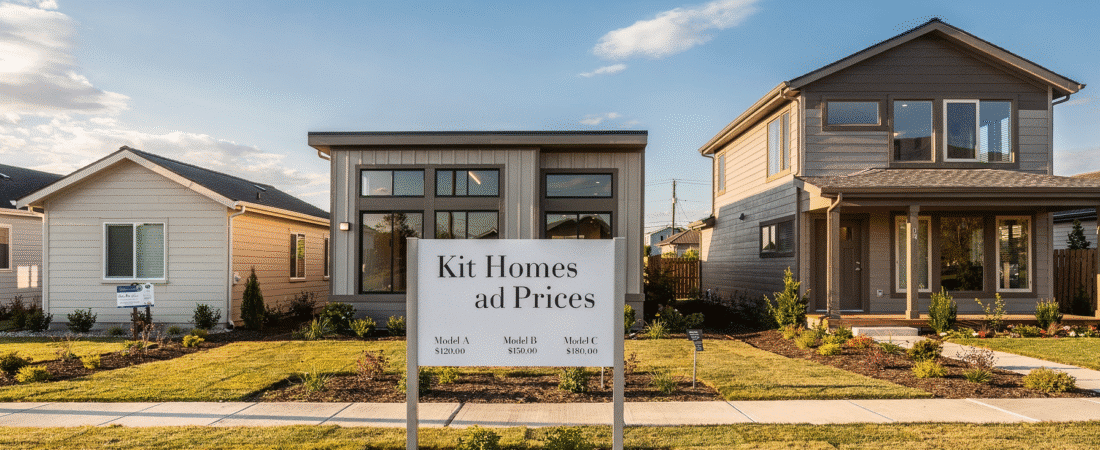
When I first started looking into kit homes and prices, I was honestly amazed at the options out there. It felt like I had stumbled upon a secret way to build a house that didn’t require winning the lottery. My initial thought was, “Are these just fancy sheds?” But nope, these are real, solid homes where you can live, laugh, and make a whole lot of memories. The average cost of a Lindal kit home is about $100,000, and the cost can be lower than building a custom home. Lindal Homes, which began operations in 1945, initially delivered do-it-yourself prefab exterior home material packages, showcasing their long-standing expertise in the industry.
A kit home, sometimes called a prefab home, is basically a house where most of the major parts are made in a factory. Then, they’re delivered to your land for you or a builder to put together. Kit homes are constructed from pre-cut materials that are delivered to the building site for assembly. You can find everything from cozy little cottages to big family houses with lots of bedrooms, ranging from 700 square feet to 25,000 square feet. Many companies even use energy-saving materials, which is a nice bonus for your wallet and the planet.
TL;DR Summary
- What are they? Kit homes are houses with parts made in a factory and shipped to your property for assembly. They offer a more affordable way to build. Kit homes are constructed from pre-cut materials delivered to the building site, and prefab homes are constructed in a factory and then transported in pre-built sections to the site.
- Benefits: They are generally cheaper per square foot, faster to build, and often more energy-efficient than traditional homes. Prefab homes typically require 60% less framing time than traditional on-site built homes and are more affordable due to controlled production costs. Prefab homes can be assembled quickly, often in a fraction of the time it takes to build a traditional home. They use resources more efficiently, resulting in less material waste than traditional builds.
- Designs: You can find almost any size and style, from small, simple homes to large, custom designs. Lindal kit homes can range in size from 700 square feet to 25,000 square feet, offering a wide variety of options for customers.
- What’s included? Packages usually come with the main structural components like walls, a roof, windows, and doors. The specifics can vary, so always check. Customers can purchase kit homes from suppliers or dealers, and may choose to hire contractors for assembly.
- Quality: These homes are built with quality materials in a controlled environment, making them strong and durable. Prefab homes are generally built in a factory, which allows for controlled production costs, less waste, and are constructed by skilled industry professionals using durable materials that enhance their resilience during shipping and assembly. Prefab homes can be designed to be energy efficient and sustainable, often using structural insulated panels (SIPs), and can be engineered for various environmental conditions and locations, leading to lower heating and cooling costs.
The business of kit home companies has grown, with some, like Lindal, able to ship homes around the world, adapting to different climates and topographies. These companies produce pre-built panelized systems in controlled environments, making the process efficient and reducing waste.
Introduction to Kit Homes
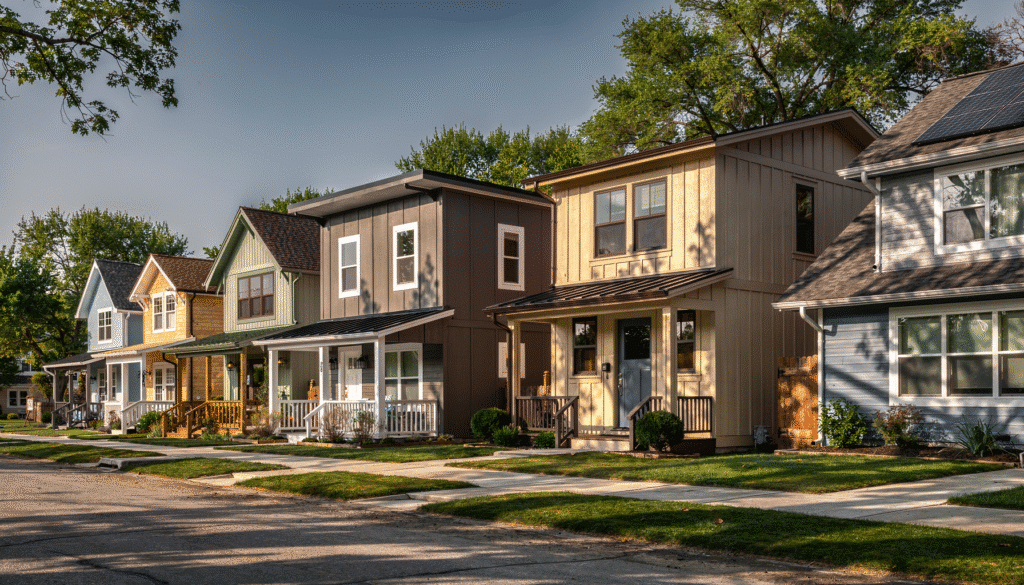
Kit homes are quickly becoming a top pick for homeowners who are after a custom, affordable, and dead simple way to get an energy-efficient new home. Companies like Lindal Homes and Nelson Homes USA are absolute crackers in the prefab home game, and they offer a brilliant selection of kit homes designed to suit every lifestyle and budget you can think of. Whether you’re dreaming of a spacious living area, a cozy bedroom retreat, or a welcoming porch to enjoy the great outdoors, kit homes make it dead easy to knock up a space that matches exactly what you’re after. Zip Kit Homes, another notable company, focuses on efficient, small, and sustainable prefabricated homes, catering to those who prioritize eco-friendly living.
With a kit home, you get the flexibility to choose from loads of different plans, materials, and features, which means you can design a home that really shows off your personality and fits your needs like a glove. These homes are built with a focus on top quality, using efficient building methods that cut down on waste and get the construction process moving at a cracking pace. The result is a brilliant new custom home that’s not only easy on the wallet but also built to last for ages. From modern models with open floor plans to traditional designs with classic charm, kit homes offer benefits like reduced construction time, lower costs, and much better quality control. For homeowners looking to build their dream home without breaking the bank, kit homes are a dead attractive and practical solution that really hits the mark.
The Big Perks of a Kit Home
I love a good deal, and that’s one of the biggest draws of a kit home. They offer a ton of good things, but for me, it really boils down to getting more for your money and time. Prefab homes use resources more efficiently, which makes them inherently sustainable.
Saving Money and Time
The cost is a huge factor. Building a house from scratch on-site can get expensive fast. With a kit home, the price per square foot is often much lower. This means you might be able to afford a bigger place or have more money left over for cool furniture. Because the pieces are built inside a factory, bad weather doesn’t cause delays. This controlled process makes construction a lot quicker than building a house outdoors from the ground up. However, additional costs for assembling kit homes can range from $30 to $60 per square foot, so it’s important to factor in these expenses when budgeting for your project.
Good for Your Wallet and the Earth
Many of these homes are built to be very energy efficient. Think better insulation and tighter seals. This can lead to lower heating and cooling bills month after month. It’s one of those things that keeps paying you back long after you’ve moved in.
“Choosing a kit home was the best decision for us. The process was straightforward, and we were in our new house months earlier than our friends who chose a traditional build. Plus, our energy bills are surprisingly low!” – A Happy Kit Homeowner
Finding the Right Kit Home Company
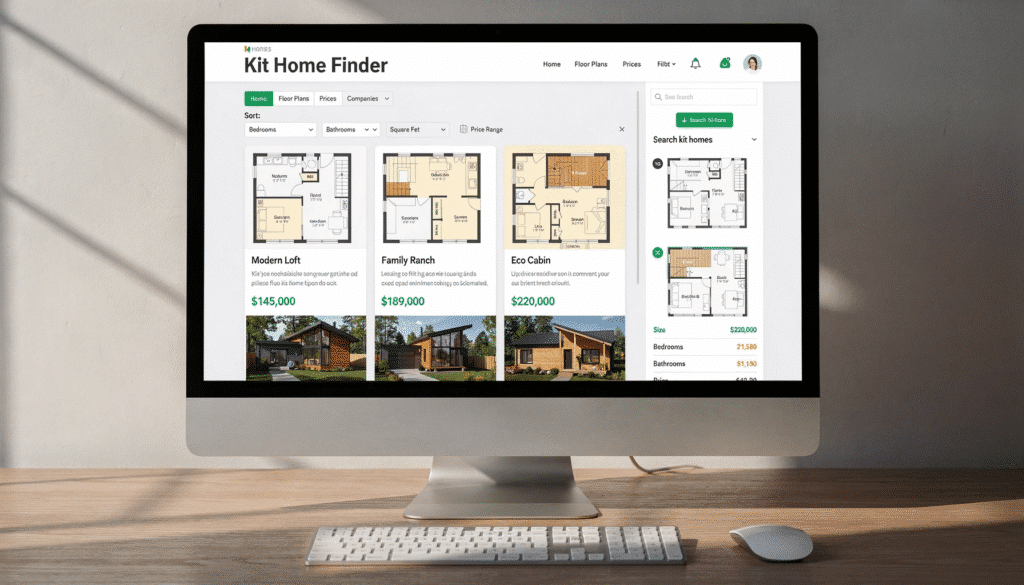
There are a bunch of companies out there that sell kit homes, including leaders in the industry like Lindal Homes and Nelson Homes. It feels a bit like online shopping, but for a house! Most of them have websites where you can look at all their different floor plans and see the prices right there. Lindal Homes has sold about 50,000 kit homes since 1945, showing their experience and reputation. Nelson Homes offers customizable prefab home packages, giving clients plenty of options to choose from. Another player in the market, Zip Kit Homes, operates as a division of Timberhawk Homes and is based in Mt. Pleasant, Utah, further expanding the variety of options available to customers.
I spent hours just browsing different sites, imagining what it would be like to live in each one. Some companies make it super easy to buy your kit right from their website. Others have local builders they work with who can help you put it all together. Clients will need to find a local contractor to assemble the prefab home or build the package themselves. This is great if you’re like me and the thought of building a whole house by yourself is a little scary.
Designs for Every Taste
You can find a kit home in almost any style you can dream up. Want a modern, boxy look with big windows? They have that. Lindal, for example, uses glass walls in their post-and-beam construction to create open, airy interiors that maximize natural light and views. Lindal kit homes also offer unlimited options in terms of design and floor plan layout. Prefer a classic farmhouse style with a big porch? You can find that too. The variety is pretty incredible.
The sizes range from tiny homes perfect for one or two people to massive houses with room for a big family and guests. You can get plans with multiple bedrooms, big open living areas, and even add-on decks. Nelson Homes can modify any existing house plan or design a complete custom home to suit your needs. Most structural insulated panel manufacturers offer standard floor plans to start the customization process. Some companies also offer bungalow home builders and modular homes. These are built in complete sections, like big building blocks, and then put together on your property. It’s another super efficient way to build.
Kit Home Size and Price Examples
| Home Size (sq ft) | Bedrooms | Bathrooms | Estimated Price Range |
|---|---|---|---|
| 500 – 800 | 1-2 | 1 | $40,000 – $80,000 |
| 1,000 – 1,500 | 2-3 | 2 | $90,000 – $150,000 |
| 1,800 – 2,500 | 3-4 | 2-3 | $160,000 – $250,000 |
| 2,800+ | 4+ | 3+ | $270,000+ |
| Note: Prices are estimates for the kit only and can change based on the company, materials, and location. Land, foundation, and assembly costs are extra. |
The materials for a kit home are pre-cut and delivered to the building site in containers. Companies ship these kits directly to your location, using trucks, trains, or cargo ships for efficient delivery worldwide.
Customers have noted that the construction process for Lindal kit homes is often managed by professional contractors.
Making It Your Own
One of the coolest parts is that you can often customize the plans. If you see a design you mostly like but want to move a wall or add a window, many companies will work with you. You can pick out your own finishes for things like cabinets, flooring, and siding. This lets you put your own personal stamp on the place.
For the very brave and handy, some companies offer DIY kits. You get all the materials and a big set of instructions, and you assemble it yourself (or with friends!). It’s a great way to save a ton of money on labor if you have the skills and patience.
What Do You Get in the Box?
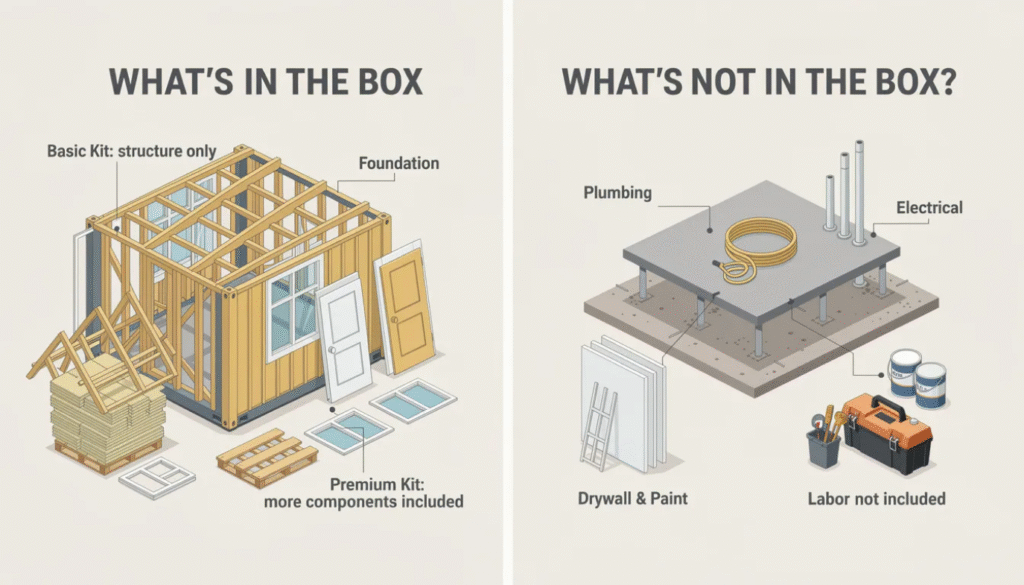
So, what exactly arrives on that big truck? A standard kit home package usually has the main building blocks of your house. This includes the framed walls, the roof trusses, siding, windows, and exterior doors. Basic kits, however, often lack windows, doors, and interior finishes, while premium kits bundle more components, offering a more comprehensive package for those looking for convenience.
What’s not in the box is just as important to know. Things like the foundation, plumbing, electrical wiring, and interior finishes (like drywall and paint) are often separate costs. You’ll need to hire contractors for that work, or do it yourself. Every company is different, so make sure you get a detailed list of what is and isn’t included before you buy.
Built to Last
I had some questions about how strong these homes are. It turns out, they are built to be very tough. Because they are made in a factory, the construction is very precise. Everything is built to strict standards, with a lot of focus on quality.
The materials used are the same high-quality ones you’d find in a traditionally built home. The controlled environment protects the wood and other materials from rain and snow during construction, which prevents problems like mold or warping.
Predictability and Efficiency
One of the dead-simple benefits you get with kit homes is how predictable and efficient they make the whole building business. Unlike your traditional site-built homes that can get properly mucked up by dodgy weather, material shortages, or labour troubles, kit homes get knocked up in a factory setting. This controlled setup means kit home companies can keep things spot-on with quality and consistency, making sure every bit and piece—from the windows and doors right through to the insulation and wall panels—gets built to proper specifications.
This factory approach doesn’t just speed things up a treat, it also cuts down on waste and keeps your costs nice and low. When your kit rocks up at the building site, you can count on things going smooth as anything, with all the major materials ready to pop together. Features like energy-efficient windows, well-insulated walls, and tightly sealed doors help create a cracking living space that saves you a load of money on utility bills. By choosing a kit home, you’re going for a building method that’s efficient as anything, dead reliable, and designed to deliver a top-quality home with fewer nasty surprises along the way.
Service Areas and Delivery
No matter where you’re thinking of building, kit home companies like Lindal Homes and Nelson Homes USA make it dead-simple to get your dream home sorted. With their cracking network of dealers and local contractors, these companies can deliver and knock up kit homes in all sorts of locations – from those lovely countryside plots to the hustle and bustle of urban neighborhoods. This brilliant coverage means you can get your hands on affordable, top-quality kit homes pretty much anywhere you fancy.
Once you’ve picked your kit and got your plans all sorted, the company will get the delivery organised to your building site, making sure all the bits and pieces turn up safely and right on time. Local contractors who know their way around kit home assembly can then take over the whole job, handling the installation and making sure your new home gets put together to the highest standards. This streamlined process takes all the hassle out of building, so you can focus on the excitement of getting settled into your new place. With professional delivery and assembly, you’ll have a proper smooth experience from start to finish.
Taking Care of Your New Home
Just like any house, a kit home needs some regular upkeep to stay in great shape. This means cleaning the gutters, checking the roof, and keeping an eye on the exterior paint.
Most kit home companies provide a warranty for their materials. This gives you some protection for your investment. The length and details of the warranty can differ between companies, so it’s something you’ll want to read carefully. They also usually give you guides on how to care for your specific home, which is really helpful.
Wrapping Up: Your Kit Home Journey
If you’re after a cracking way to get your dream home sorted, then starting your kit home journey is a top pick that’ll fit your lifestyle, budget, and dreams perfectly. Kit homes are a dead simple choice that brings together energy efficiency, affordability, and loads of customisation options – making them a smart move for homeowners who want quality without any of the usual compromises. With a massive variety of materials, plans, and features to choose from, you can knock up a space that’s perfectly tailored to what you’re after – whether you’re looking for a spacious family home or a cozy little retreat that’s just the ticket.
The benefits of kit homes go way beyond just saving a few quid. Their efficient construction methods, energy-saving features, and reliable delivery process mean you can enjoy a comfortable, sustainable home with a lot less hassle than you’d think. Whether you’re a DIY enthusiast who’s ready to have a go at the challenge or you’d rather work with a local contractor to get the job done, kit homes can be adapted to suit your skills and schedule perfectly. Have a look at all the possibilities and get going with planning your new home today – with the right kit home company and a trusted contractor by your side, your dream home is a lot closer than you think!
