A prairie ranch house is one of my favorite home styles because it just feels so connected to the ground it sits on. The prairie ranch house is a classic example of American home design, shaped by the landscapes and values of America. I love the clean lines and how it seems to spread out instead of up. It’s a look that’s both classic and totally modern at the same time, and it remains popular across the country. If you’re curious about what makes these houses so special—especially as a uniquely American home design—you’re in the right place! We’re going to walk through all the cool features and I’ll share some ideas for making one your own.
TL;DR: Quick Guide to Prairie Ranch Homes
- Low & Long: These homes are known for their low-pitched roofs, wide overhangs, and horizontal lines that mimic the prairie landscape.
- Nature-Focused: Lots of windows, natural materials like wood and stone, and open floor plans that connect the indoors with the outdoors.
- Frank Lloyd Wright’s Idea: This style was pioneered by architect Frank Lloyd Wright, who wanted to create a uniquely American style of home.
- Modern Twists: Today’s prairie homes mix classic elements with modern needs, like open-concept living, big kitchens, and energy-efficient designs.
What is Prairie Style Anyway?
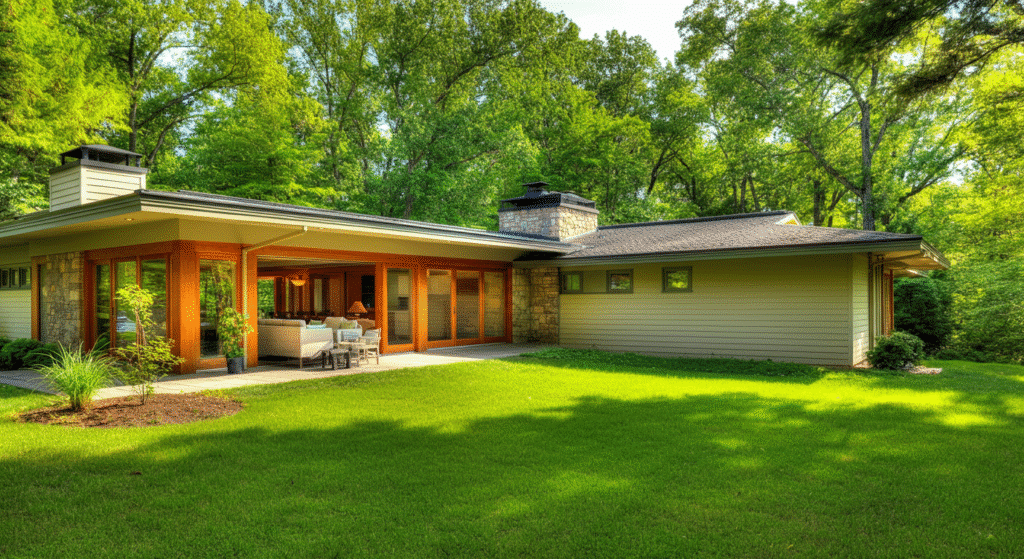
I remember the first time I really noticed a prairie-style home. I was on a road trip through the Midwest, and it just stood out. It wasn’t tall or flashy, but it had this quiet confidence. That’s the heart of this design. It’s all about long, straight lines, wide roof overhangs, and using natural stuff like stone and wood. It makes the whole house feel like it grew right out of the land. Prairie ranch houses are built to harmonize with their site and natural surroundings, emphasizing a strong connection between the architecture and the landscape.
The layout inside is a big deal, too. These homes are famous for their open floor plans. Rooms flow into one another, which is great for family life. You can be cooking in the kitchen and still chat with someone in the living room. It’s a design that brings people together, with spaces thoughtfully created for both gathering and rest.
“A house should not be on a hill or on anything. It should be of the hill. Belonging to it. Hill and house should live together each the happier for the other.” — Frank Lloyd Wright
A Little History: Thank You, Frank Lloyd Wright!
You can’t talk about prairie houses without mentioning the man, the myth, the legend: Frank Lloyd Wright. He was the main guy behind the Prairie School, a group of architects who wanted to create a new style of building that was purely American. The Prairie School, pioneered by architects like Wright around 1900, was the first uniquely American architectural style that sought to break away from European revival styles. They were tired of copying old European designs.
Wright looked at the flat, wide-open prairies of the Midwest and got inspired, especially by the landscapes of Illinois. His architectural projects in Illinois, particularly in Oak Park, helped define the prairie style. He thought buildings should blend in with their surroundings, not stick out like a sore thumb. His famous Robie House in Chicago is the perfect example. Wright’s final project in Chicago, the Robie House, is considered one of the finest examples of prairie style architecture. It has these super long horizontal lines and an interior that feels wide open. It’s like the house is reaching out into nature. Wright’s Robie House and other projects serve as a reference for prairie home design today. His ideas are still a huge guide for anyone building a prairie home today.
Key Things You’ll See in a Prairie Home
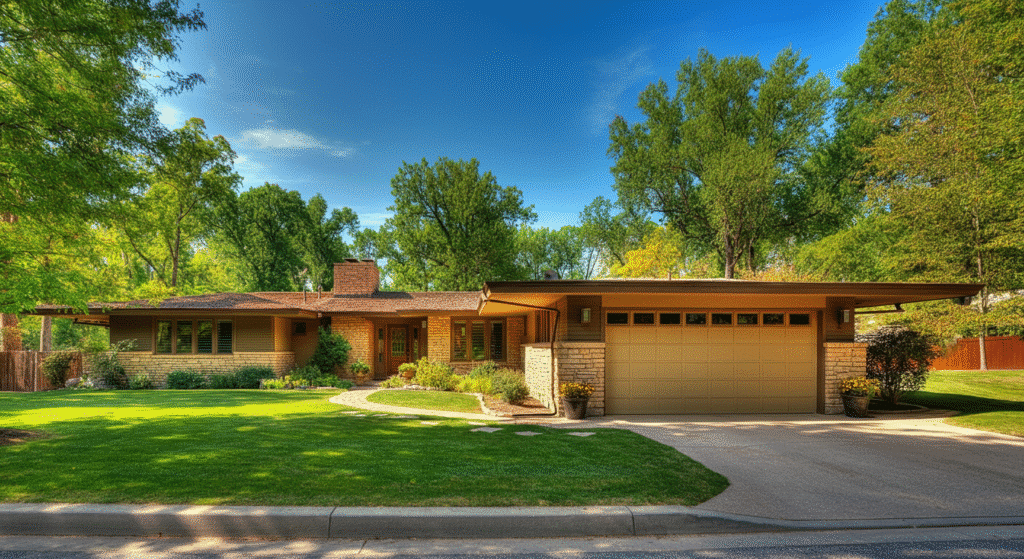
So, what makes you point at a house and say, “Hey, that’s a prairie home!”? It’s a few key things that show up again and again.
Some prairie ranch homes feature a complex layout that weaves living spaces with the landscape, creating a seamless connection between indoors and outdoors.
Key features often include:
- Low-pitched roofs and wide eaves
- Horizontal lines that echo the surrounding prairie
- Open floor plans
- A range of outdoor spaces and features, such as patios and garages, that enhance both function and style
In particular, note the thoughtful integration of the garage into the overall design, as well as the complexity of the floor plan in some homes, which sets prairie ranch homes apart from other architectural styles.
Low-Pitched Roofs & Big Overhangs
This is probably the most noticeable feature. The roofs are low and gently sloped, and they hang way over the walls. This creates those strong horizontal lines and also gives you nice, shaded porches and patios. It’s practical and it looks cool.
Rows of Windows
Prairie homes are all about natural light. You’ll often see rows of casement windows (the kind that crank open) grouped together. This not only lets a ton of light in but also creates another strong horizontal element on the outside of the house.
Natural Materials
Forget vinyl siding. These homes are all about wood, stone, and brick. You’ll see these materials used both inside and out. It helps the house feel warm, earthy, and connected to its environment. The color palettes of prairie ranch houses typically involve natural, earthy tones like rust, taupe, blues, yellows, and creams, further enhancing their connection to the natural surroundings.
Open and Flowing Inside
Step inside, and you won’t find a bunch of small, boxy rooms. The main living spaces are located in close proximity to each other for easy flow. The floor plan is usually very open. The living room, dining room, and kitchen might all be one big, connected space. The front door is often designed to provide both privacy and a visual connection to the outdoors, enhancing the home’s harmony with its surroundings. A central fireplace is also a common feature, acting as the heart of the home and symbolizing warmth and family gathering. Kitchens may include a butler’s pantry located behind the kitchen for extra storage and functionality.
Prairie Ranch House Features Breakdown
| Feature | Description | Why It’s Great |
|---|---|---|
| Horizontal Lines | Low-pitched roofs, rows of windows, and banding on the exterior walls create a long, low profile. | Makes the house feel grounded and connected to the landscape. |
| Natural Materials | Use of wood, stone, and brick on both the exterior and interior. | Adds warmth, texture, and an organic feel. Using locally sourced materials can also help manage cost and make the home more affordable. |
| Open Floor Plan | Interior spaces flow into one another with minimal walls or barriers. | Great for families, entertaining, and making the space feel larger. Efficient layouts can reduce construction cost. |
| Lots of Windows | Windows are often grouped in long bands to maximize natural light and views. | Connects the inside with the outside and brightens the home. |
| Central Chimney | A large, central fireplace often serves as the anchor of the main living area. | Creates a cozy, gathering spot for the family. |
| Basement | Some prairie ranch homes include a basement, while others are built on slabs. The presence or absence of a basement affects storage, utility placement, and overall design flexibility. | |
| Modern Bathroom with Walk-In Shower | Bathrooms often feature updated fixtures, tile patterns, and a walk-in shower for accessibility and style. | A modern bathroom with a walk-in shower enhances comfort, functionality, and aesthetic appeal. |
Making a Prairie Home Work for Today
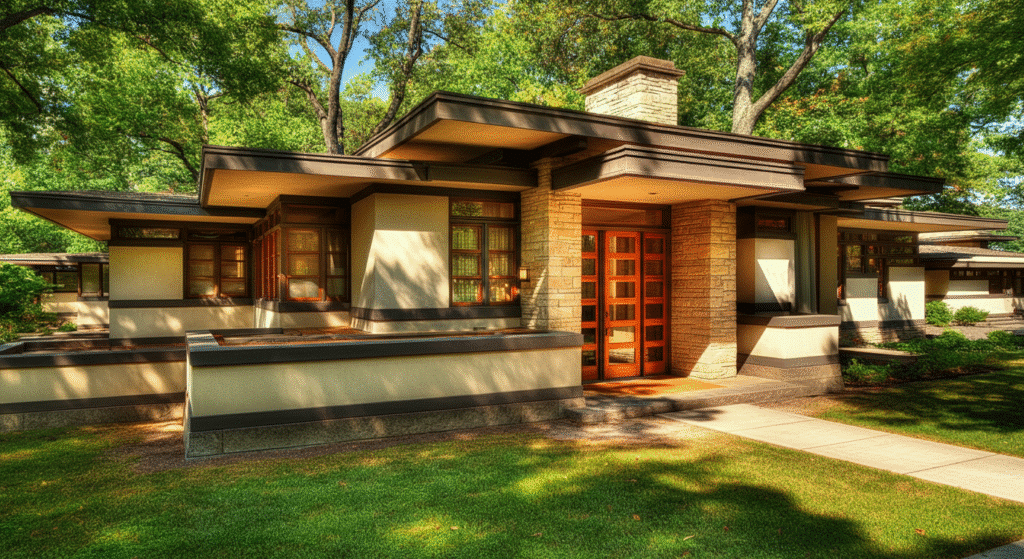
I love the classic prairie look, but let’s be real, we live in the 21st century. The good news is that this style is super easy to update for modern living. Builders and designers work closely with clients to ensure that new features are built to meet modern needs while respecting the original prairie style. Current prairie homes incorporate modern conveniences while honoring Wright’s original concepts, blending timeless design with contemporary functionality.
Creating a Functional Floor Plan
Modern prairie homes take that open-concept idea and run with it. When starting a new prairie ranch house project, it’s common to reference classic floor plans and design principles to ensure authenticity and functionality. Think huge kitchen islands where everyone can hang out, a walk-in pantry (a total game-changer, trust me), and maybe even a butler’s pantry for when you’re entertaining. The flow is still key, but it’s adapted for how we live now. It’s about creating zones for different activities within one big, happy space.
Bringing Nature Inside
That connection to the outdoors is still a huge part of the appeal. Large glass doors that open onto a patio or deck can make your living space feel twice as big. Using natural wood for floors or even a feature wall continues that earthy vibe. And don’t forget the plants! A few well-placed plants can make any room feel more alive.
Modern Amenities
You can have the classic prairie look with all the modern tech you want. Smart home systems, energy-efficient windows and appliances, and custom lighting all fit right in. Note the integration of open floor plans and large glass panels, which bring in natural light and connect indoor spaces to the outdoors. A modern prairie ranch can be as green and high-tech as any other new build. It’s all about blending the best of the old with the best of the new.
So there you have it! The prairie ranch house is more than just a style; it’s a way of thinking about how we live. It’s about being connected to nature, to our families, and to our homes. It’s a design that was brilliant a hundred years ago, and somehow, it feels more right than ever today.
For inspiration, be sure to look at photos of modern prairie ranch homes to see how these features come together in real projects.
Benefits of Prairie Living
Prairie style living brings a heap of brilliant benefits that go way beyond just looking good—its a way of life that puts harmony, comfort, and dead simple design right at the heart of your home. One of the top advantages of prairie style houses is how they blend into the natural surroundings without any fuss. Thanks to using natural stuff like wood, stone, and brick, prairie homes feel like they truly belong on the land, creating a relaxed atmosphere thats hard to beat.
The floor plan in a prairie home is all about keeping everyone close and connected. Open, flowing spaces mean your family can move about easily from room to room, making everyday living and having mates round a right breeze. Massive windows and wide overhangs not only flood your house with natural light, but also help you feel connected to the outdoors all year round. Features like walk-in showers and well-placed plumbing add a touch of modern luxury, while still keeping those clean lines and simplicity that make the style what it is.
Frank Lloyd Wright and the Prairie School bunch were absolute masters at creating homes that looked brilliant and worked like a dream. Their design ideas—like horizontal lines, generous ceiling heights, and paying attention to every little detail—still get homeowners and designers excited today. Whether you’re building a new prairie home or giving an existing one a makeover, you can pinch inspiration from these wright-designed classics to create a space that feels both timeless and bang up to date.
Prairie style homes are also known for being tough as nails and dead easy to maintain. Using top-quality materials and clever building tricks means your house will stand the test of time, cutting down on the need for constant repairs. Plus, the focus on energy-efficient design—think well-placed windows for daylight, natural ventilation, and sustainable materials—makes prairie homes a smart pick for anyone who gives a toss about the environment.
If you’re after some design ideas, consider adding a butler’s pantry for extra storage and prep space, or playing about with ceiling heights to create a sense of openness and drama. Modern prairie homes often feature sleek plumbing and creative uses of wood and stone to add warmth and texture to every room. And dont forget how important outdoor living is—patios, decks, and gardens that flow seamlessly from inside help you make the most of your property and the surrounding landscape.
In short, prairie living is about way more than just the building—its about creating a home that feels grounded, welcoming, and perfectly suited to modern life. With its focus on natural materials, clever floor plans, and a proper connection to the environment, prairie style is a cracking choice for homeowners who want a house thats as functional as it is gorgeous. Whether you’re dreaming up your next house or looking for ways to spruce up your current space, the prairie style offers endless inspiration for a home that truly stands out from the crowd.
