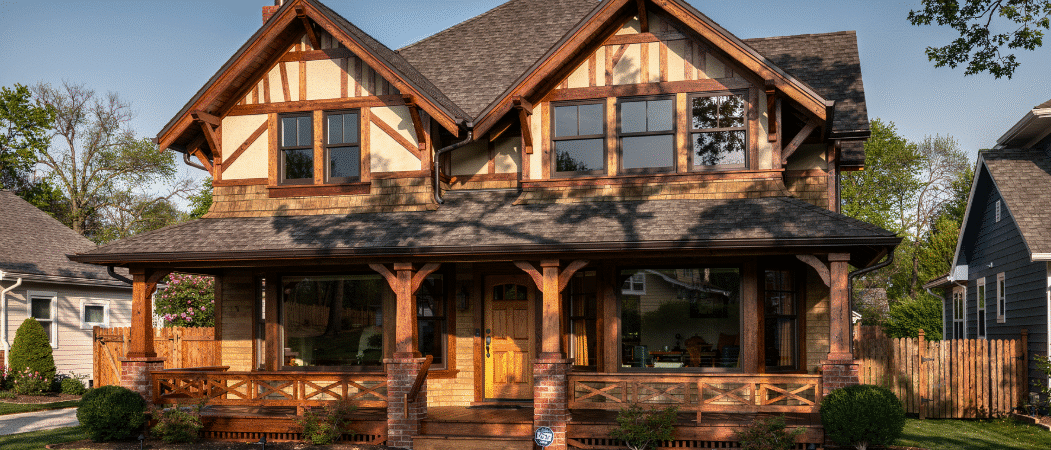
When I first heard about stick style house plans, I pictured a house made of, well, sticks! It turns out I wasn’t entirely wrong, but it’s so much more charming than that. Stick style is all about showing off the “bones” of the house on the outside with decorative woodwork that looks like a skeleton frame. It’s a super unique look that I’ve come to adore.
TL;DR Summary:
- What is it? An American architectural style from the late 1800s. It’s known for its decorative “stickwork” on the exterior, which mimics the house’s frame.
- Key Features: You’ll see exposed rafters, complex roofs, and lots of vertical lines. Think of it as a less frilly cousin to Victorian homes.
- Why It’s Cool: These homes are full of character, with porches, nooks, and custom details. They are a fun way to have a home that stands out.
- Building One: You can mix this style with others like Craftsman or Victorian. It’s important to think about your local climate and how to keep it eco-friendly.
- Upkeep: The beautiful wood details need some love, like regular sealing, to stay in top shape.
Introduction to Stick Style
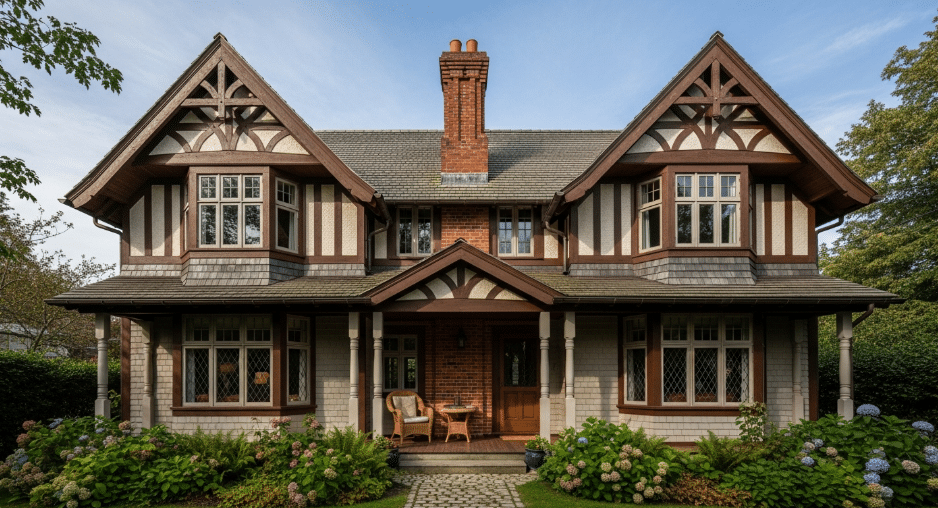
So, what exactly is this style? Imagine a house that wears its structure on the outside. Stick style is a type of American architecture, characterized by its decorative wooden trim and visible structural elements, that was popular in the late 19th century. It was especially big in places like the Pacific Northwest and San Francisco. The look is inspired by old medieval German buildings that had half-timbered walls. Architect Richard Morris Hunt is considered the pioneer of Stick style architecture, influenced by half-timbered buildings in France.
These homes often have:
- Exposed rafters under the eaves
- Decorative trusses on the gables
- A cozy, covered front porch
- Interesting and complex roof shapes
- Steeply pitched gable roof and cross gables with decorative trusses at the gable peak
It’s a style that really celebrated woodwork and was a way for people to show they had good taste and a bit of money. It’s a fantastic example of a living space that’s anything but cookie-cutter.
“Architecture should speak of its time and place, but yearn for timelessness.” – Frank Gehry
History and Evolution
The Stick style popped up in the 1870s and 1880s. It was a bit of a departure from the super fancy Victorian homes that were all the rage. Builders were using new methods like balloon frame construction, which made building quicker and easier. The style was popularized through house-building plan books that emerged after 1850, which inspired local builders to construct Stick style houses.
Architectural plan books helped spread the style across the country. Over time, it started borrowing ideas from other styles. You might see some Stick style homes with shingles or more horizontal lines, which are features from other popular designs of the period. Today, these historic homes are loved for their one-of-a-kind charm, and you can spot them in cities like Seattle.
Characteristics of Unique Homes
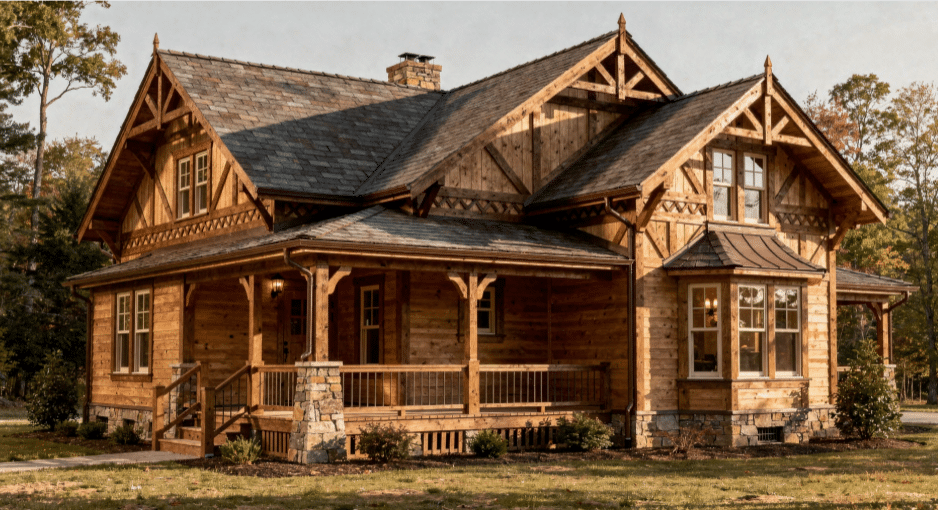
What makes a home feel truly special? It’s often a blend of different ideas. A house might have the stickwork of this style but also the cozy porch of a Craftsman home or the bay windows of a Victorian.
The unique blend of features in stick style house plans can be read through their exterior stickwork, porches, and other visual cues, allowing you to interpret the architectural story of the home.
Key Features to Look For:
- Mixed Styles: Don’t be surprised to see a mix of architectural flavors.
- Complex Roofs: Multiple gables, pitches, and maybe even a small tower.
- Natural Materials: Wood and stone are common, giving the homes an earthy feel.
- Custom Interiors: Inside, you might find sweet little nooks, built-in benches, or other details that make the space feel personal.
These homes were designed to have character, inside and out!
House Plans and Design
When thinking about a floor plan for a unique home, there’s no single right way. Some might have a big, open kitchen perfect for parties, while others have lots of smaller, cozy rooms. The overall form of stick style houses is generally asymmetrical with complex floor plans.
The design can pull from different eras. You can use various design elements from different styles—like Victorian-style trim or Craftsman-style built-in bookcases—to create a unique floor plan that reflects your personal taste. The floor plan can be simple or have lots of interesting angles, all depending on what you like. A wrap-around porch is another popular feature that adds so much charm and a great spot for a morning coffee. You can even mix in modern tech like smart home gadgets to get the best of both worlds.
Architectural Style Considerations
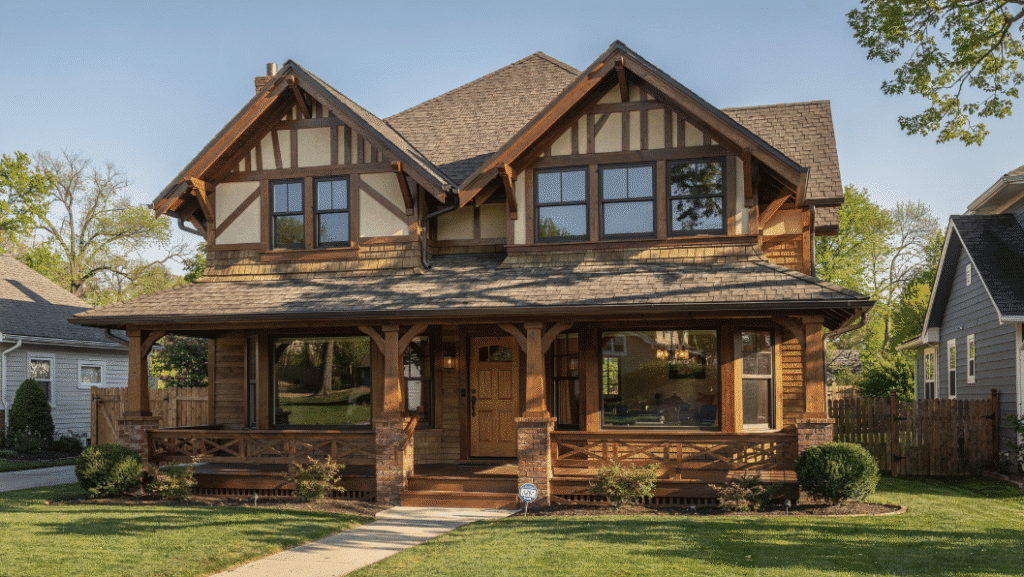
Choosing a style for your home is a big deal! It should feel like you. Whether it’s Stick, Victorian, or something else, the style sets the tone for your whole living space. It’s also good to think about how it fits into your neighborhood.
Using natural materials like wood and stone can make a new house feel like it has a history. The outside details are just as important. The roof shape, the placement and style of windows, and the porch design all work together to create the final look. Carefully chosen window designs not only enhance the exterior charm and showcase the ornamental characteristics of stick style house plans, but also play a key role in maximizing interior lighting and creating inviting, well-lit spaces. Stick style buildings often feature large windows that are usually one-over-one or two-over-two and frequently paired.
Popular Architectural Styles
| Style | Key Feature | Vibe |
|---|---|---|
| Stick | Decorative exterior wood trim | Quaint & Detailed |
| Victorian | Ornate, fancy details | Grand & Romantic |
| Craftsman | Exposed beams, natural materials | Cozy & Handmade |
| Modern | Clean lines, large windows | Sleek & Simple |
Sustainability and Eco-Friendliness
Building a unique home doesn’t mean you have to ignore the planet. It’s totally possible to create a beautiful space that is also kind to the environment. Using reclaimed wood or paints with low chemicals is a great start.
You can also think about adding energy-saving systems. Solar panels can help power your home, and a rainwater harvesting system can be used for watering your garden. The way a house is designed can also make a big difference. Placing windows to catch the most natural light can cut down on electricity bills. It feels good to build a home that is both special and sustainable.
Regional Adaptations
A home should feel like it belongs where it is. That’s why regional adaptations are so cool. The Stick style, for example, feels right at home in the Pacific Northwest because of the area’s history with lumber. Craftsman-style homes, on the other hand, can be found in many regions across the United States, highlighting their widespread popularity and historical presence in various states and cities.
Thinking about the local climate is also smart. In a cold place, you’ll want extra insulation. In a warm, sunny area, you might want large porches and big windows to catch the breeze. By using local materials and considering the environment, a house can be a true reflection of its surroundings.
Maintenance and Upkeep
A home with lots of character, especially one with wood features, needs a little TLC to stay looking its best. Natural materials like wood and stone need regular care. This might mean sealing the wood every few years to protect it from rain and sun.
It’s also a good idea to do regular check-ups. Look for any leaks, cracks, or other small issues before they become big problems. The home’s systems, like the heating and plumbing, also need regular inspections to keep everything running smoothly. A little bit of upkeep ensures your special home stays beautiful and functional for a long, long time.
Technology Integration
Its absolutely brilliant how even the most classic house styles, like Stick Style, are getting a proper modern makeover thanks to all the clever tech we’ve got nowadays. Today’s architects and designers are using some cracking tools to create homes that stay true to the traditional charm of American architecture, while adding a whole new level of detail and customisation thats just dead impressive.
For starters, computer-aided design (CAD) software has become a right game-changer. It lets designers map out every single inch of a Stick Style house, from the intricate roof plans and exposed rafters to the covered front porch and decorative trusses. This means you can get a proper sneak peek at your home’s layout and exterior details before a single board gets chopped up. 3D printing is also making some serious waves, allowing for the creation of custom woodwork and stickwork with incredible precision—perfect for getting those signature vertical and horizontal lines, towers, and even the tiniest exterior details just right.
In historic cities like San Francisco and Seattle, technology is doing a cracking job helping to preserve the wealth of Victorian homes, including those inspired by Stick Style. Digital scanning tools can knock up detailed models of old houses, making it dead easy to restore features like shingles, wall panels, and ornate woodwork. This is especially important in the Pacific Northwest, where the weather can be proper tough on traditional materials and you need all the help you can get.
But its not just about building and restoring, is it? Thanks to virtual tours and online platforms, you can now explore Stick Style homes from anywhere in the world—how brilliant is that? Whether you’re dreaming about a covered front porch or looking for inspiration for your own design, the internet is absolutely chocka with resources, floor plans, and ideas to help you create a home thats both unique and true to the style.
Technology is also making it dead simple to build sustainable and energy-efficient Stick Style homes. Modern materials, solar panels, and green roofs can be seamlessly popped into the design, so you get all the character of a classic home with the benefits of 21st-century living. Plus, digital tools make it super easy to customise every single detail, from the layout of your kitchen to the pattern of your exterior shingles, ensuring your house is a perfect reflection of your own style and personality.
In the end, technology is doing a brilliant job keeping the spirit of Stick Style alive—making it possible to create, restore, and enjoy these gorgeous homes in ways that would have absolutely amazed the architects of the Victorian era. Whether you’re completely mad about the fashion and wealth of old American architecture or just want a home that really stands out on your street, today’s tech makes it easier than ever to bring your vision to life and get cracking on something truly special.
