
Texas consistently leads the nation in ranch and farm real estate transactions, with thousands of acres changing hands each year across diverse regions. Whether you’re seeking a Hill Country retreat, a South Texas hunting operation, or a sprawling West Texas cattle ranch, the Texas land market remains strong heading into 2026.
This guide walks both buyers and sellers through the complete Texas ranch sale process—from first contact to closing. You’ll find practical steps to get started immediately, followed by deeper coverage of ranch types, key regions, value drivers, and transaction details.
- How to Get Started With a Texas Ranch Sale (Buyers & Sellers)
- Types of Texas Ranches Commonly for Sale
- Key Regions for Texas Ranch Sales
- What Affects the Value of a Texas Ranch Sale?
- The Texas Ranch Sale Process Step by Step
- Financing, Taxes, and Ag Exemptions in a Texas Ranch Sale
- Buying vs. Selling: Strategies for Each Side
- Featured Examples of Texas Ranch Sales
- Working With a Texas Ranch Brokerage
- Planning Your Next Texas Ranch Sale or Purchase
How to Get Started With a Texas Ranch Sale (Buyers & Sellers)
Here’s what to do in your first week if you’re ready to buy or sell a ranch in Texas.
For Sellers:
- Decide on timing—spring showcases green landscapes while fall attracts post-summer buyers
- Gather deeds, surveys, tax records, and mineral documentation
- Document improvements including fencing, water wells, barns, and lodges
- Obtain a professional appraisal benchmarked against recent comparable sales
For Buyers:
- Clarify intended use: hunting, cattle operations, weekend retreat, or long-term investment
- Identify preferred counties (Kerr, Gillespie, Uvalde, Presidio for Hill Country; Webb, Duval for South Texas)
- Confirm financing readiness—ranch loans typically require 20-50% down payments
Price expectations vary significantly by region. Hill Country properties often run $7,000-$10,000+ per acre for recreational tracts near metros, while Panhandle grazing land may range from $2,000-$4,000 per acre. Work with a Texas ranch specialist who understands ag exemption requirements, wildlife valuation, and water rights from day one.
Types of Texas Ranches Commonly for Sale
A Texas ranch sale can mean anything from a 50-acre getaway to a 10,000+ acre cattle and hunting operation. Understanding the main categories helps focus your search or listing strategy.
Hunting Ranches dominate South Texas brush country and the Edwards Plateau. These properties feature whitetail deer, turkey, dove, and quail, often with high-fenced enclosures and wildlife management plans. Many generate lease income of $10-30 per acre annually.
Working Cattle Operations spread across the Panhandle, West Texas, and Coastal Prairies. Expect improved Bermuda or native bluestem pastures, cross-fencing, steel working pens, and loafing barns supporting Angus or Brangus herds.
Luxury Recreational Estates cluster near Fredericksburg, Boerne, and Dripping Springs. These ranch properties feature custom stone homes, guest casitas, pools, equestrian facilities, and paved frontage for easy access, and often appeal to buyers who also value the comfort and lifestyle focus highlighted by Ranch Style Homes USA and other guides that explore the charm of beautiful ranch homes.
Multi-Use Investment Ranches combine grazing with hunting leases, short-term cabin rentals, and development potential near Austin-San Antonio corridors or DFW-Houston exurbs.
Key Regions for Texas Ranch Sales
Location dramatically affects land character, diverse wildlife populations, water features, and price per acre.
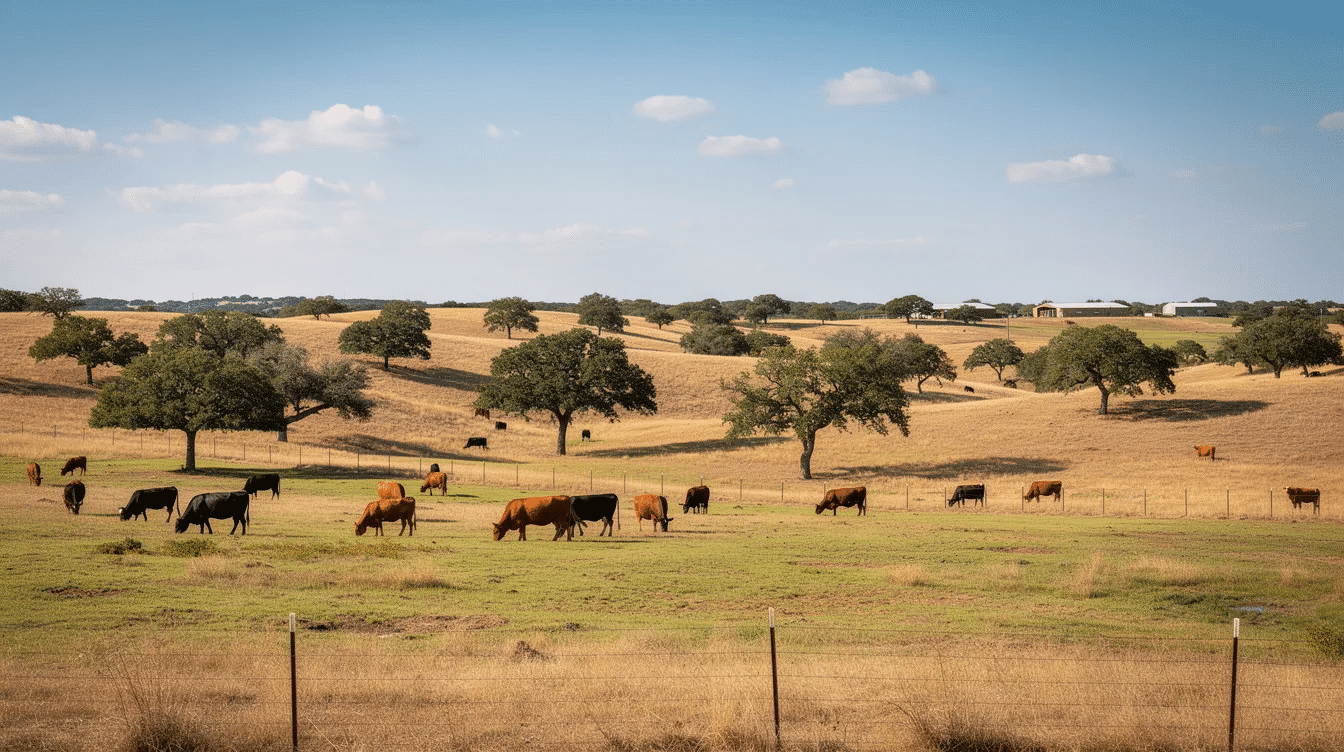
Central Hill Country offers rolling hills covered with live oak, clear creeks, and live water ranches across Llano, Mason, Blanco, and Uvalde counties. Weekend retreats and luxury homes drive strong demand at $7,000-$12,000 per acre.
South Texas brush country delivers world-class whitetail and dove hunting. Legacy ranches spanning 1,000-20,000 acres in Webb, Duval, Zavala, and La Salle counties attract families seeking multi-generational properties.
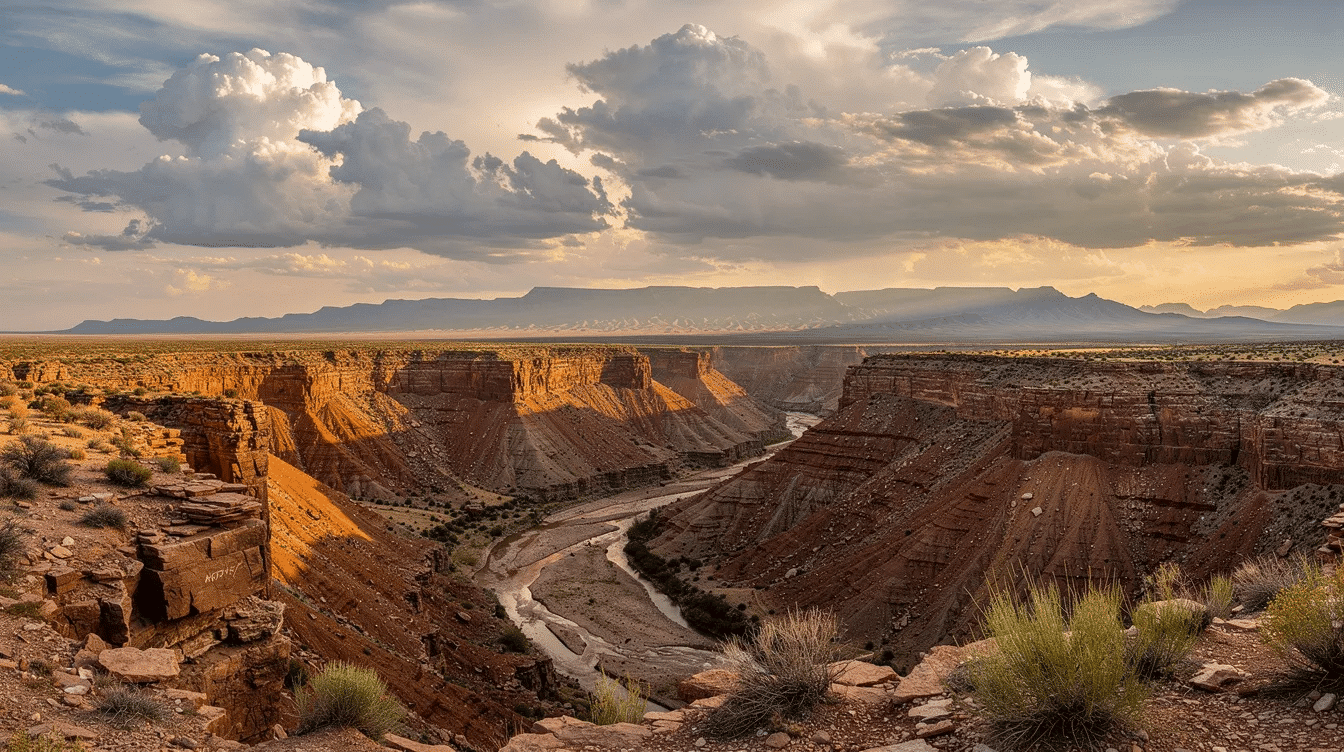
West Texas and the Davis Mountains provide big-sky ranches with mountains, canyons, and extreme privacy. Jeff Davis, Presidio, and Brewster counties appeal to buyers focused on conservation, dark skies, and vast acreage.
East Texas and Northeast piney woods feature timber value, Red River bottomland, and mixed-use cattle and recreation ranches near Oklahoma and Arkansas borders.
Coastal Texas Gulf Prairies include bay, river, and marsh frontage properties with excellent grazing and waterfowl hunting near lake and wetland areas.
Panhandle and North Texas high plains offer wind-farm compatible land at $2,000-$4,000 per acre, with pivot-irrigated croplands transitioning to ranches.
What Affects the Value of a Texas Ranch Sale?
Ranch value extends far beyond raw acreage. Buyers pay premiums for water, access, quality improvements, and income potential.
Value Driver | Impact on Price |
|---|---|
Live water (creeks, rivers) | 20-50% premium |
Paved road frontage | Higher than easement-only access |
Maintained improvements | 20-40% contribution per appraisals |
Wildlife management plans | 15-25% value increase |
Ag exemption status | 80-90% property tax reduction |
Water remains the top value driver. Properties with perennial creeks, stock tanks, or Edwards Aquifer wells command significant premiums over dry ranches. | |
Infrastructure matters for both buyers and lenders. Well-maintained fencing, barns, homes, and working pens attract serious offers and improve financing terms. |
Income streams including grazing leases, hunting leases, and mineral or wind rights factor heavily into negotiations and overall investment returns.
The Texas Ranch Sale Process Step by Step
A typical transaction spans 3-12 months from listing or initial search to closing.
Seller Preparation: Clean up roads and senderos, commission professional photography and drone video, gather historical production records, and price realistically based on recent comparable sales in your region.
Buyer Process: Consult with a specialized brokerage, refine criteria, tour 5-10 properties across different areas, then submit a Letter of Intent or standard Texas farm and ranch contract with 1-2% earnest money.
Due Diligence Period: Use the 10-30 day option period (typically $100-500 per day) to complete surveys, review title commitments, examine easements, verify water permits, and inspect wells, fences, and improvements on-site.
Closing: Coordinate with title companies, lenders, and tax authorities. Transfer keys, gate codes, and operational information including lease contacts and ranch staff details.
Financing, Taxes, and Ag Exemptions in a Texas Ranch Sale
Large ranch sales often blend cash (42% of current transactions), conventional land loans, and 1031 exchanges for investors deferring gains from other properties.
Texas land lenders structure ranch loans differently than home mortgages—expect 20-50% down payments, shorter 15-25 year amortizations, and appraisals reflecting ranch-specific features like water and wildlife.
Agricultural and wildlife exemptions can slash property taxes 80-90% by valuing land at productivity rates rather than market rates. Qualifying uses include cattle, sheep, goats, hay production, and certified wildlife management activities. Losing exemption status after a sale triggers rollback taxes.
Consult Texas-based CPAs and attorneys who regularly handle rural land transactions to structure deals correctly.
Buying vs. Selling: Strategies for Each Side
Buyers and sellers approach a Texas ranch sale with different priorities. Understanding both perspectives strengthens your position.
For Buyers:
- Distinguish must-haves (live water, paved access) from nice-to-haves (blinds, feeders)
- Remember that improvements can be added post-purchase
- Act quickly—20-30% of quality listings go under contract within days
For Sellers:
- Time listings for spring or fall when buyer activity peaks
- Price realistically using current market data
- Stage the property with tidy roads, serviced equipment, and organized barns
Negotiation Example: A recent Hill Country transaction saw the seller include farm equipment in exchange for a quicker closing timeline, while the buyer extended the option period to complete a comprehensive well test. Both parties adjusted to reach a win-win outcome.
Featured Examples of Texas Ranch Sales
Hill Country Recreational Ranch: A 750-acre Kerr County property featuring a hunting lodge, creek ranch frontage, and oak-covered hills sold to an out-of-state family seeking a retreat and hunting destination aligned with their family legacy goals.
South Texas Hunting Operation: A 2,500-acre Webb County high-fence ranch with managed deer genetics and established dove fields transitioned from a multi-generation family to an investor group maintaining the existing wildlife programs.
West Texas Conservation Ranch: A 7,000-acre Brewster County property with dramatic canyons, minimal improvements, and dark-sky appeal attracted a buyer focused on personal recreation, privacy, and long-term conservation.
Working With a Texas Ranch Brokerage
Ranch transactions involve complexities absent from standard home sales: water rights, severed minerals, ag valuation, and operational considerations require specialized knowledge.
A qualified Texas ranch brokerage provides in-person property evaluations, aerial mapping, wildlife and grazing assessments, and market-based pricing powered by regional expertise. Look for brokers with boots-on-the-ground experience across multiple regions and a marketing platform featuring professional photography, video, and targeted outreach to expand buyer pools, especially if your property includes or could accommodate typical ranch house dimensions and layouts.
The right agent serves as an advisor through pricing, negotiations, contract terms, and due diligence—leaders in guiding clients through every phase.
Planning Your Next Texas Ranch Sale or Purchase
Understanding ranch types, regions, value drivers, and transaction steps positions you to find the perfect property or achieve a successful sale in Texas.
Start with a clear vision of how you want to use the ranch over the next 5-10 years—family retreat, income generation, recreation, or investment. Let that vision guide your decisions on budget, location, and features, especially if you plan to build and manage a ranch from the ground up and want to incorporate the best features of a classic ranch style house.
Practical next steps:
- Sellers: Assemble documents and schedule a property evaluation
- Buyers: Define your budget, preferred areas and intended use
- Both: Consult with a Texas ranch specialist to match your goals with market realities
Texas ranch ownership delivers both lifestyle satisfaction and long-term investment potential. Move from research into action and enjoy the search for land that fits your vision.