
Looking for ranch and farm properties that deliver both lifestyle and investment returns? Discover working cattle ranches, crop farms, and recreational land designed for every agricultural goal. From small hobby farms to large commercial operations across Texas, Colorado, Wyoming, and beyond, our listings combine productive acreage, quality infrastructure, and prime locations throughout the American West.
Find your ideal agricultural property and build your farming legacy today.
Ranch and Farm Properties for Every Purpose
Whether you’re seeking income production or recreational enjoyment, there’s rural property perfectly suited to every vision.
Working Cattle Ranches
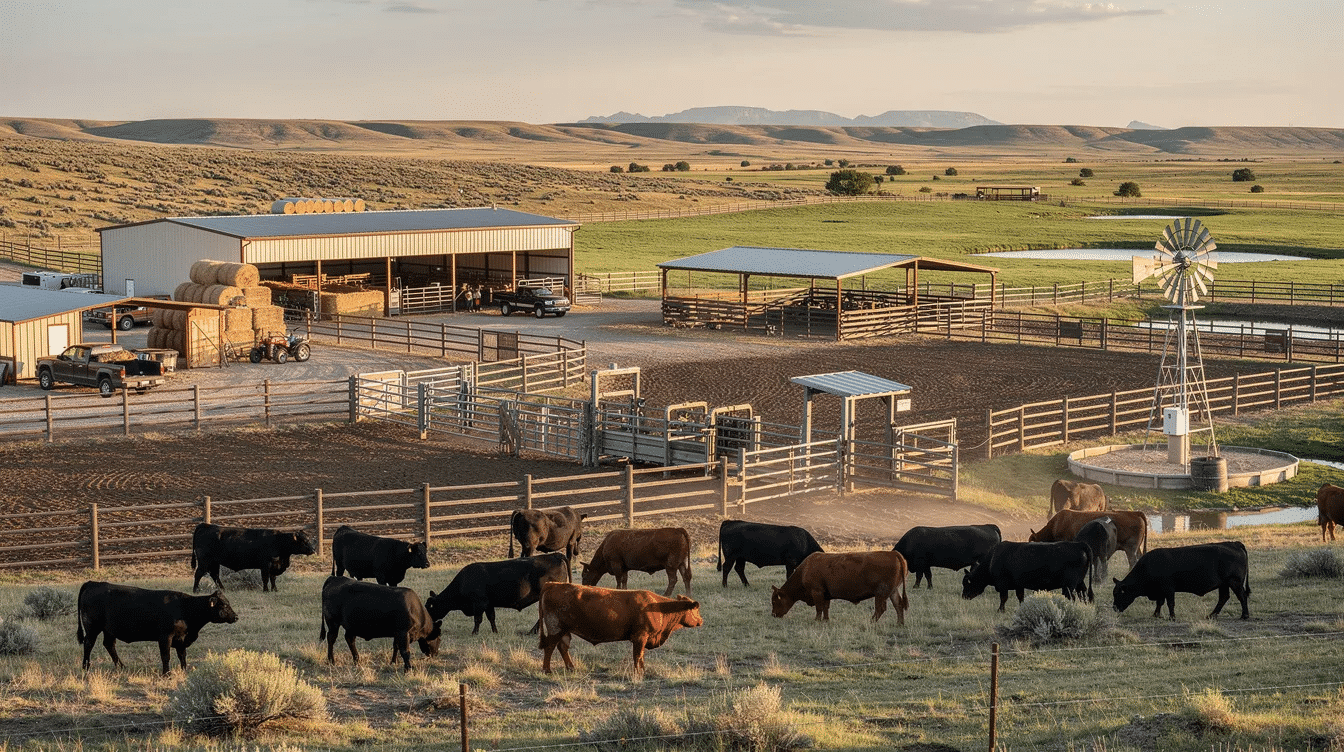
Large acreage properties with established grazing operations form the backbone of rural real estate in states like Texas, Montana, and Colorado. These ranches include cattle handling systems, barns, holding pens, and water infrastructure ready for immediate livestock operations. Properties range from 1,000 to 50,000+ acres, featuring fenced pasture, stock ponds, wells, and often BLM leases for expanded grazing capacity.
A quality working ranch combines deeded land with reliable water rights and forage production capabilities. Infrastructure such as corrals, scales, calving barns, and hay storage determines operational efficiency. In arid Western regions, carrying capacity varies significantly—one cow-calf pair may require 25–50 acres under limited forage conditions, while humid pasture supports higher stocking rates.
Crop Production Farms
Irrigated and dryland farms specializing in corn, wheat, soybeans, and specialty crops represent significant investment opportunities across America’s agricultural heartland. These properties feature modern grain handling facilities, equipment storage, and farmhouses positioned in fertile regions with established market access and transportation proximity.
Specialty crop operations—including tree nuts, vegetables, and nursery products—command higher per-acre value but require intensive management and labor infrastructure. Key evaluation factors include soil fertility metrics (organic matter, nutrient content, pH levels), irrigation system efficiency, and climate suitability for target crops. Properties near processing facilities and transportation corridors typically achieve stronger returns.
Recreational and Hunting Properties
Multi-use ranches combining agriculture with wildlife management offer the best of both worlds for buyers seeking family retreats with agricultural tax benefits. These properties include hunting lodges, fishing ponds, creek access, and diverse wildlife populations alongside productive pasture or cropland.
Abundant wildlife habitat, food plots, and proximity to national forest land enhance recreational value. Properties in regions like South Dakota’s rolling grasslands or Colorado near Steamboat Springs attract buyers seeking outdoor recreation without sacrificing agricultural income potential, and many owners complement these retreats with comfortable, stylish ranch homes that maximize indoor-outdoor living.
Choose the Right Property for Your Agricultural Goals
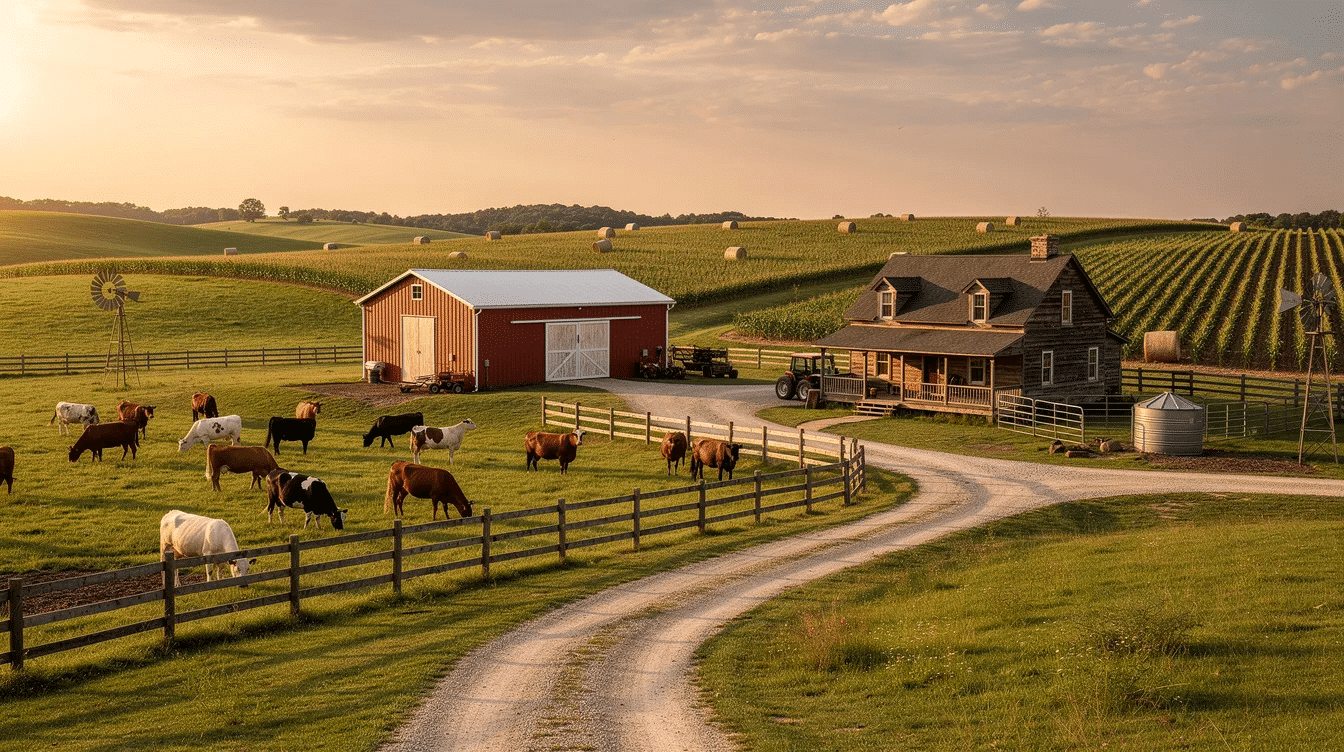
The right agricultural investment aligns with your experience level and long-term objectives.
For Beginning Agricultural Investors
Turnkey operations with established lease agreements and experienced local management offer the smoothest entry into agricultural real estate. New owners often also explore the comfort and appeal of ranch-style home living when planning on-site residences. Beginning farmers comprised 33% of all U.S. producers in 2022, with most operating smaller acreage properties averaging around 312 acres.
Focus your search on properties between 100–500 acres in stable agricultural markets with diversified income streams. Look for existing infrastructure, operational leases, and strong regional commodity demand. Properties offering multiple revenue sources—livestock, crops, recreation leases—reduce risk while you build experience and market knowledge.
For Experienced Ranchers and Farmers
Large-scale operations offering expansion opportunities and value-add potential deliver superior returns for experienced operators. These properties may feature untapped water rights, underperforming infrastructure, or consolidation potential that experienced buyers can optimize, including room to develop modern ranch home-style residences that support on-site management and family living.
Emphasis on soil quality, irrigation capacity, livestock genetics, and mechanization opportunities matters most at this level. Environmental regulations, conservation program eligibility, and tax implications become increasingly significant factors in transaction analysis. Expert brokers specializing in your target region provide crucial guidance on regulatory complexities and market conditions, including how to integrate classic ranch-style house features into new residential construction on working properties.
For Legacy and Family Operations
Multi-generational properties with established family compounds and heritage buildings support both agricultural production and family recreational use. These ranches often feature sustainable practices, conservation easements, and a lasting legacy within American ranch house architecture and long-term land stewardship opportunities.
Properties suited for legacy transfer require careful attention to estate planning, succession structures, and infrastructure longevity. Many family operations balance profit objectives with heritage preservation, incorporating modern sustainable practices while maintaining the property’s historical character across generations.
Essential Features That Determine Property Value
Quality agricultural properties combine natural resources with modern infrastructure for lasting success. Understanding these factors helps buyers make informed decisions.
Water Rights and Irrigation Systems
Secured water rights from wells, rivers, or irrigation districts ensure reliable supply and often represent the most critical value driver—especially across the West. Documentation of historical water usage, legal permit status, and future availability projections requires careful review before purchase.
Modern pivot irrigation systems, drip systems, and adequate water storage facilities significantly enhance crop production potential. In states like Texas, Colorado, New Mexico, and Arizona, water rights can make or break property value. Without proper rights documentation, expensive irrigation infrastructure may be legally unusable.
Soil Quality and Climate Conditions
Fertile soils with documented productivity records and active soil conservation practices command premium prices. Key metrics include organic matter content (ideally 3–6%), nutrient availability, pH levels (6.0–7.5 for most crops), and aggregate stability affecting water infiltration and root development.
Favorable climate conditions—growing season length, frost-free days, rainfall patterns, and temperature ranges—determine which crops or livestock operations the property can support. Some buyers also evaluate whether the setting works well for raised ranch home designs that take advantage of views and natural light. Access to soil surveys, yield history, and agricultural production records enables informed investment decisions.
Infrastructure and Facilities
Well-maintained barns, equipment storage, and livestock handling facilities reduce startup costs and enable immediate operations. Quality roads providing great access, reliable utilities, and modern communication systems support efficient modern operations.
Residential facilities including ranch houses with practical, single-story layouts and employee housing add significant value, particularly for remote properties requiring on-site management. Proximity to markets, transportation infrastructure, and regional service centers affects both operational costs and long-term property appreciation.
How to Evaluate and Purchase Agricultural Properties
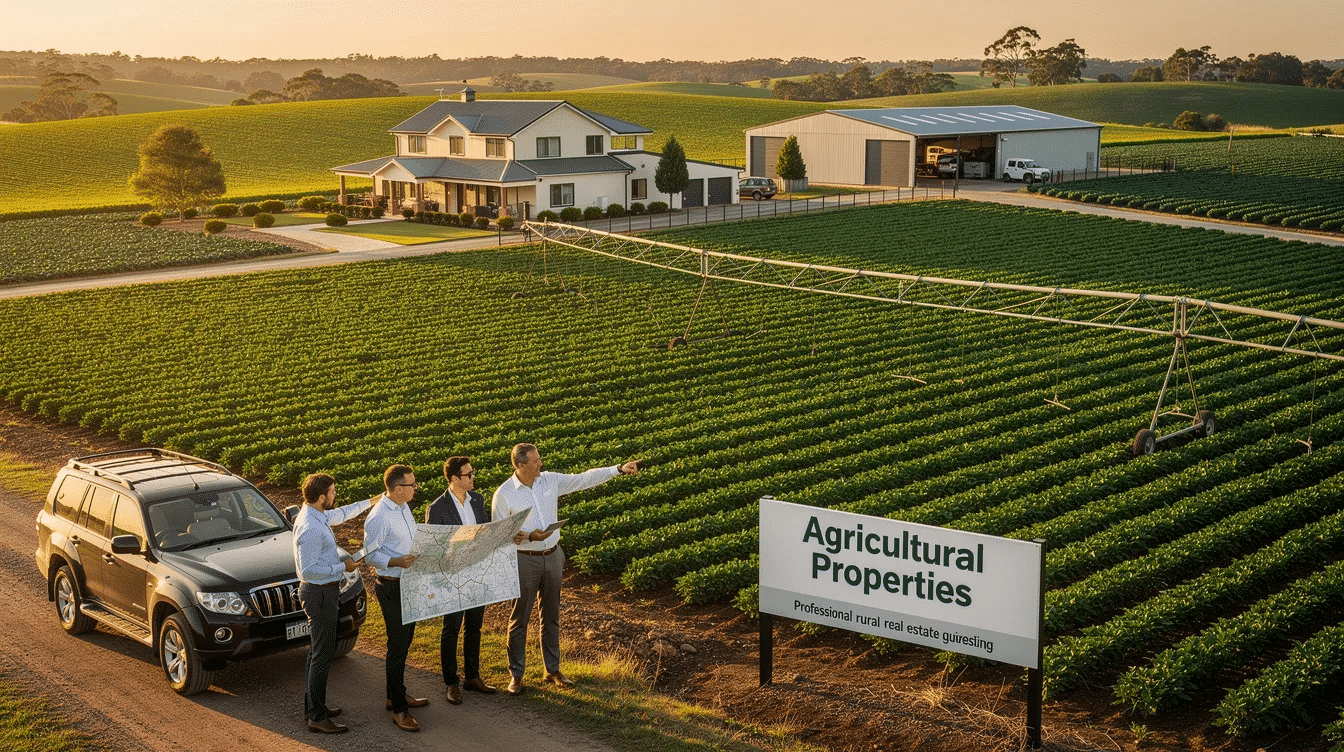
Smart agricultural investing requires thorough due diligence and professional guidance from specialists who understand rural real estate markets.
Financial Analysis and Due Diligence
Review historical income statements, lease agreements, and operational expenses to establish realistic return expectations. Cropland currently averages $5,830 per acre nationally, while pastureland averages $1,920 per acre—though regional variation is substantial.
Analyze comparable closed transactions and current market conditions in your target county or region. Engage agricultural appraisers and accountants familiar with farm and ranch operations for comprehensive financial evaluation. Consider both current income potential and long-term appreciation trends when calculating investment returns.
Working with Agricultural Real Estate Specialists
Partner with real estate agents and brokers specializing in ranch and farm transactions in your target market. These professionals understand local water rights regulations, agricultural zoning, and operational requirements that general residential agents may overlook.
Leverage expert brokers’ knowledge of regional markets across Utah, Nebraska, Wyoming, and throughout the West to access exclusive listings and off-market opportunities through established networks. Their relationships with sellers and familiarity with agricultural auction processes often provide significant advantages for serious buyers.
Explore Premium Ranch and Farm Properties
Browse our curated selection of working ranches, productive farms, and recreational agricultural properties. Choose from established operations, development opportunities, and legacy properties across America’s premier agricultural regions from the Red River country of Texas to the high country of Colorado.
Contact our office to search current listings, schedule property tours, or discuss your specific agricultural investment objectives. Whether you’re looking to sell an existing operation or find land for your next venture, our team connects buyers and sellers across the nation’s most productive agricultural regions.
Your ideal ranch or farm property investment starts with the right guidance and market knowledge.