Key Takeaways
- American bungalows were the most popular small home design from 1905 to 1930, built primarily for working-class families seeking affordable suburban housing
- The style originated from British colonial “bangala” houses in India but evolved into distinctly American architectural forms like Craftsman, California, and Chicago bungalows
- These homes typically feature one to one-and-a-half stories, low-pitched roofs, wide front porches, and open floor plans designed for efficient space usage
- Major regional variations include Arts & Crafts bungalows on the West Coast, brick Chicago bungalows in the Midwest, and Spanish Revival styles in the Southwest
- After declining in popularity mid-century, bungalows have experienced a revival since the 1990s through preservation efforts and new construction inspired by classic designs
Between 1905 and 1930, american bungalows dominated the nation’s housing landscape, offering young families an affordable path to homeownership during the height of the Industrial Revolution. These charming, compact homes represented more than just shelter—they embodied a democratic ideal that stylish, well-designed housing should be accessible to working-class Americans, not just the wealthy elite. Between the two World Wars, bungalows became a common sight in neighborhoods across the United States, reflecting their widespread appeal.
The word bungalow traces its roots to the Hindi word “bangala,” meaning “belonging to Bengal,” yet the American interpretation became something distinctly different from its colonial origins. What started as temporary rest houses for military officers in British India evolved into a sophisticated architectural movement that would reshape American suburbs and influence residential design for generations. The term itself reflects this origin, directly derived from the Hindi word.
This comprehensive guide explores every aspect of american bungalows, from their fascinating historical origins to their continued appeal in today’s housing market. Whether you’re considering purchasing a historic bungalow, curious about different architectural styles, or interested in the broader story of American domestic architecture, this guide provides the complete picture of one of America’s most beloved home styles.
- What Are American Bungalows?
- Historical Origins and Development (1870s-1930s)
- Architectural Features and Design Elements
- Major American Bungalow Styles
- Geographic Distribution and Notable Neighborhoods
- The Bungalow Industry and Mass Production
- Decline and Revival (1930s-Present)
- Living in American Bungalows Today
- FAQ
What Are American Bungalows?
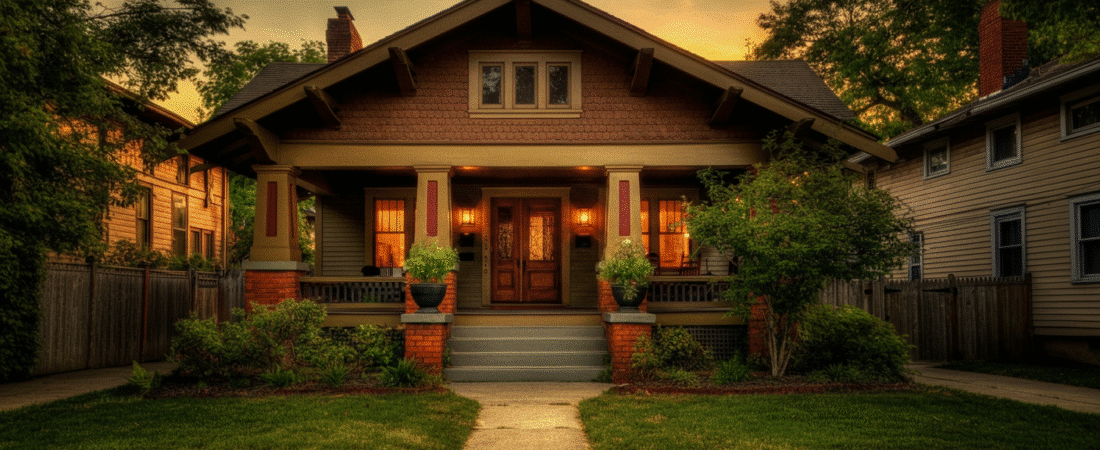
American bungalows are small, efficient residential homes typically featuring one to one and a half stories, designed to maximize comfort and functionality within a modest footprint. Unlike simple cottages or small houses, bungalows possess specific architectural characteristics that define the style: low pitched roofs with wide overhanging eaves, prominent front porches, and open floor plans that emphasize horizontal rather than vertical space.
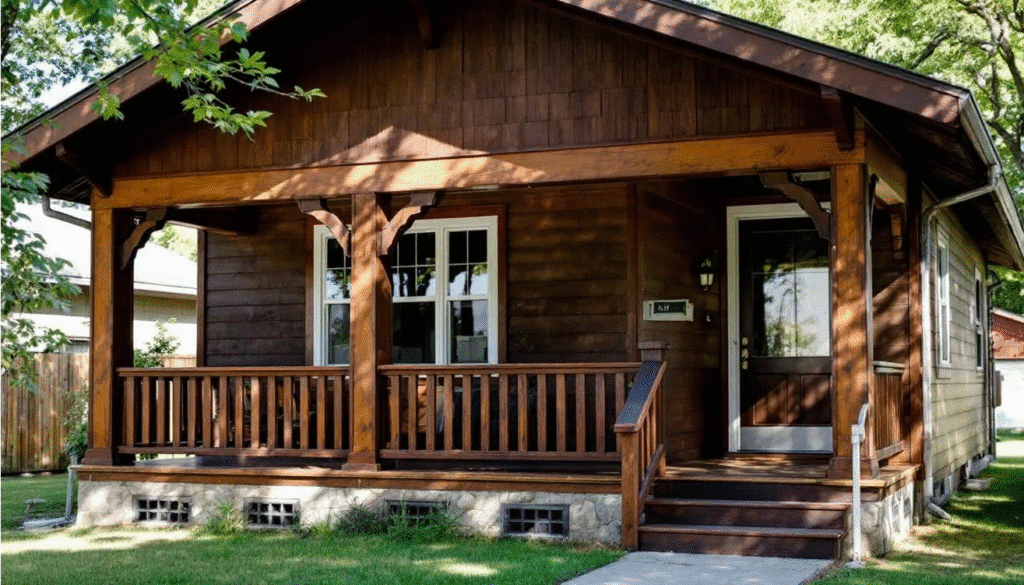
The defining features that distinguish a true bungalow include exposed rafters extending beyond the roofline, decorative brackets supporting the eaves, and tapered columns or substantial piers supporting the front porch. These homes emphasize natural materials like wood, stone, and brick, often incorporating handcrafted details that reflect the arts and crafts movement’s influence on American domestic architecture.
Size alone doesn’t define a bungalow—it’s the specific combination of architectural elements and design philosophy that creates the style. A bungalow prioritizes indoor-outdoor living through large porches and terraces, uses built in cabinets and furniture to maximize space efficiency, and employs casement windows and other features to create bright, airy interiors despite the compact floor plan.
The bungalow style connects to the broader international movement while developing uniquely American characteristics. Where British colonial bungalows in India served as temporary military housing, American adaptations became permanent family homes that addressed specific social needs during the early 20th century’s rapid urbanization and suburban development.
Historical Origins and Development (1870s-1930s)
The term bungalow derives from the Hindi word “bangala,” referring to the simple, single-story houses built for British military officers stationed in Bengal during the mid-19th century. These structures served as practical solutions for the warm climate, featuring large covered porches and elevated construction to provide protection against heat and monsoon rains.
The first house designated as a “bungalow” in America was constructed on Cape Cod in 1879 by architect William Gibbons Preston. However, this initial example differed significantly from what would become the standard american bungalow form—it was actually a two-story structure built as resort housing, seemingly called a bungalow more for its casual, vacation-home character than its architectural adherence to the one-story definition.
The authentic american bungalow emerged in the 1890s through the work of San Francisco architect Arthur Page Brown, who designed a house for J.D. Grant around 1895. This one-and-a-half-story residence, built on a hillside with a high foundation, successfully blended elements from Bengal colonial architecture, Queen Anne styling, and Swiss chalet design, creating the eclectic approach that would characterize American bungalow development.
The style’s geographic spread followed a westward trajectory from the East Coast to Southern California, where the warm climate and growing population of young families created ideal conditions for bungalow adoption. By the late 1890s, architects were actively promoting bungalow designs in Los Angeles and Pasadena, where the simple modern lines, generous porches, and inherent affordability appealed directly to the rising middle class.
The peak period of bungalow construction occurred between 1905 and 1930, when the style dominated American residential architecture. This 25-year window coincided with massive social changes: the Industrial Revolution’s manufacturing boom, urban growth, and the desire of young families to establish permanent homes away from industrial centers. The arts and crafts movement, promoted through publications like Gustav Stickley’s “The Craftsman” magazine, spread bungalow house plans across the nation and elevated the style’s philosophical foundations.
Key figures like Charles and Henry Greene, known as the Greene Brothers, transformed bungalow design from simple shelter into sophisticated architecture. Their work in Pasadena created what became known as “ultimate bungalows”—large, carefully crafted homes that demonstrated the style’s potential for both artistic expression and practical living.
Architectural Features and Design Elements
The architectural vocabulary of american bungalows centers on several distinctive exterior elements that immediately identify the style. Low pitched roofs, typically with gable configurations, create the horizontal emphasis that defines bungalow proportions. These roofs feature wide overhanging eaves that provide essential sun protection while creating deep shadows that enhance the home’s visual weight and connection to the landscape.
Exposed rafters extending beyond the roofline serve both functional and aesthetic purposes, originally supporting the roof overhang while creating the handcrafted appearance valued by the arts and crafts movement. Decorative brackets, often featuring carved profiles or geometric patterns, support the eaves and add visual interest without excessive ornamentation.
Front porches represent perhaps the most important single feature of american bungalows. These covered outdoor spaces, supported by tapered columns or massive stone piers, create transitional zones between interior and exterior living. The porch design varies significantly by region and style, but all serve the fundamental purpose of extending living space outdoors while providing weather protection and community connection.
The materials employed in bungalow construction reflect both regional availability and arts and crafts philosophy emphasizing natural, honest materials. Clapboard siding dominates in many regions, though shingle, stone, brick, and stucco all appear depending on local traditions and climate requirements. These materials often appear in combination, such as stone piers supporting wood-frame upper walls, creating visual interest through texture contrast.
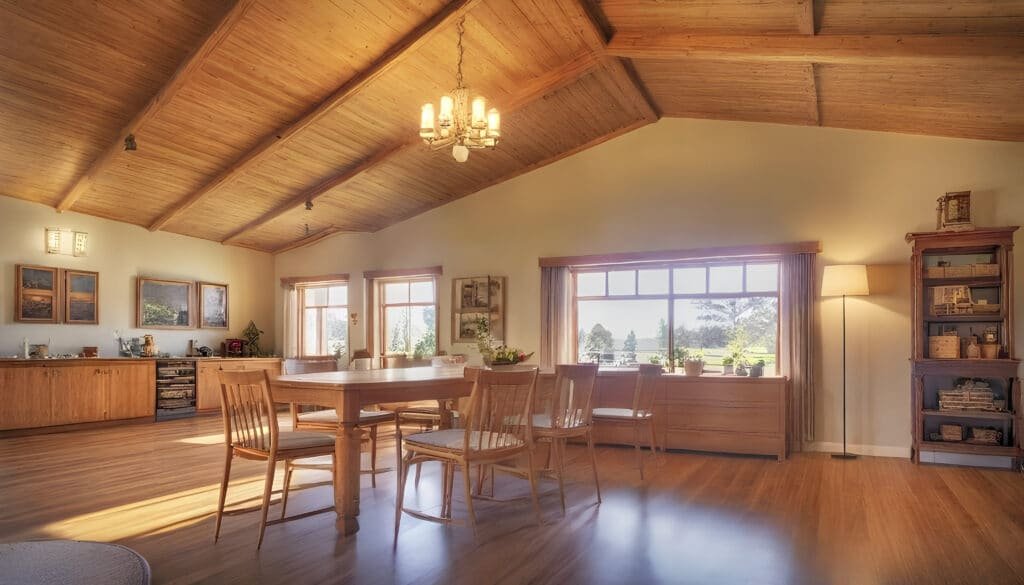
Interior features center on open floor plans that reject Victorian compartmentalization in favor of flowing, multipurpose spaces. This design approach served practical purposes for families without domestic servants, making homes easier to maintain while creating a sense of spaciousness within modest square footage. Built in cabinets, bookcases, and furniture maximize storage and functionality without consuming valuable floor space.
Windows in bungalow design emphasize horizontal groupings and often feature art glass or leaded details that filter light while providing privacy. Casement windows, which swing outward on hinges, appear frequently and provide better ventilation than double-hung alternatives. Large picture windows in living areas connect interior spaces visually with outdoor porches and gardens.
Fireplaces serve as focal points in bungalow interiors, often constructed from the same stone or brick used in exterior walls to create material continuity between inside and outside. These fireplaces frequently include built-in bookcases or inglenooks that create cozy seating areas while maximizing the efficient use of space.
Major American Bungalow Styles
Craftsman and Arts & Crafts Bungalows
Craftsman bungalows represent the most philosophically pure expression of the american bungalow movement, directly connected to William Morris’s British arts and crafts movement that emphasized handcrafted details over industrial mass production. These homes showcase natural materials, exposed wood construction, and earth-tone color schemes that integrate buildings with their natural surroundings.
The Greene Brothers’ influence in Pasadena established the standard for craftsman style excellence through their ultimate bungalows built for wealthy clients in the early 20th century. These large, carefully detailed homes demonstrated how bungalow principles could create sophisticated architecture while maintaining the style’s fundamental emphasis on honest materials and functional design.
Gustav Stickley’s magazine “The Craftsman” played a crucial role in spreading house plans and design philosophy across America, making craftsman bungalow designs accessible to middle-class families nationwide. Stickley’s plans emphasized built-in furniture, natural wood finishes, and the integration of interior and exterior spaces that became hallmarks of the craftsman style.
Characteristic features of craftsman bungalows include tapered columns supporting front porches, typically resting on stone or brick piers that extend from ground level to the porch roofline. These substantial supports create visual weight that anchors the building to its site while providing the structural strength necessary for large roof overhangs.
Natural materials define craftsman construction, with locally sourced stone, brick, and wood creating regional variations within the broader style framework. In California, redwood and local stone predominate, while Midwest examples often feature limestone foundations and oak trim that reflect regional material availability and building traditions.
California Bungalows
California bungalows blend arts and crafts details with Hispanic and Asian influences, creating a distinctive regional variant that emphasizes outdoor living and climate responsiveness. These homes feature sturdy construction with sloping roofs, large porches, and strong horizontal lines that connect buildings to the California landscape.
The use of stucco exterior walls became a California bungalow signature, providing weather protection while creating smooth surfaces that contrast with rough stone foundations and natural wood trim. This material combination reflects both practical climate considerations and aesthetic preferences that distinguished West Coast bungalows from their counterparts in other regions.
Pasadena’s Bungalow Heaven represents the premier example of California bungalow neighborhoods, featuring over 1,000 homes built between 1900 and 1930. This historic district demonstrates how california bungalow design principles created cohesive communities while allowing individual expression through varied materials, colors, and decorative details.
Large porches and terraces in california bungalows facilitate year-round outdoor living, with sleeping porches, breakfast terraces, and garden courts extending living space beyond interior walls. These outdoor rooms reflect the California lifestyle and climate, creating homes designed for informal family living rather than formal entertaining.
The emphasis on comfort and simplicity in california bungalow design influenced national trends, with Sears catalog homes and other mass-produced designs adopting California-inspired features like stucco walls, tile roofs, and extensive outdoor living spaces.
Chicago Bungalows
Chicago bungalows represent a distinctly Midwest interpretation of the bungalow style, designed for harsh winter climates and the needs of working-class families during the city’s rapid early 20th century growth. These homes feature solid brick construction, full basements, and design elements that reflect both practical climate considerations and Prairie School aesthetic influences.
Built primarily around 1925 during the height of Chicago’s bungalow belt development, these homes typically feature large front-facing roof dormers that maximize interior space within the one-and-a-half-story format. This dormer treatment creates additional bedroom space while maintaining the horizontal proportions essential to bungalow design.
The brick construction of chicago bungalows provides durability and thermal mass appropriate for Midwest climate extremes, while decorative brick patterns and limestone trim create visual interest without excessive ornamentation. Many examples feature Prairie School art glass windows that reflect Frank Lloyd Wright’s influence on Chicago architecture during this period.
Horizontal emphasis appears in chicago bungalows through long, low proportions and overhanging eaves that echo Prairie School principles. These design elements create visual connections to the flat Midwest landscape while providing practical weather protection during the region’s severe winter storms.
Full basements in chicago bungalows provide essential mechanical space for heating systems while offering additional storage and potential living space. This practical adaptation reflects the northern climate requirements that distinguished Midwest bungalows from their California and Southern counterparts.
Other Regional Variations
Spanish Revival bungalows incorporate stucco siding, decorative glazed tiles, and arched doors and windows that reflect Hispanic architectural traditions, particularly popular in Southwest regions where Spanish colonial history influences local building traditions. These homes often feature flat chimneys, wrought iron details, and courtyards that create private outdoor spaces.
Prairie style bungalows demonstrate Frank Lloyd Wright’s influence through horizontal lines, geometric ornament, and the integration of buildings with flat Midwest landscapes. These homes emphasize horizontal window groupings, flat chimneys, and earth-tone materials that complement natural surroundings.
Neoclassical bungalows incorporate Greek Revival elements including symmetrical facades, classical columns, and formal proportions that distinguish them from more casual craftsman examples. These homes often appear in established neighborhoods where classical architectural traditions influenced local preferences.
Dutch Colonial Revival bungalows feature gambrel roofs inspired by colonial Dutch architecture, creating additional interior space while maintaining single-story proportions. These homes often include dormers and flared roof eaves that distinguish them from standard gable-roofed examples.
New England variations emphasize weathered shingle exteriors, steep roof pitches for snow load, and stone foundations that reflect regional building traditions. These homes adapt bungalow principles to harsh northern climates while maintaining the style’s essential characteristics.
Geographic Distribution and Notable Neighborhoods
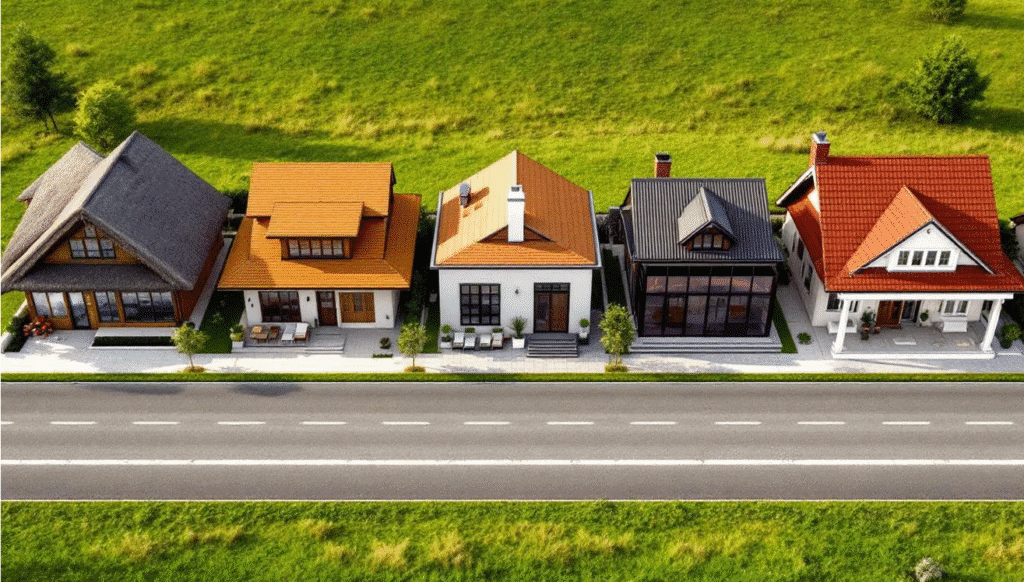
The West Coast concentration of american bungalows reflects both climate suitability and the region’s role in developing and refining the style. Pasadena’s Bungalow Heaven stands as the most significant collection of california bungalows, with over 1,000 homes built between 1900 and 1930 representing virtually every variant of the california bungalow style.
Long Beach’s Belmont Heights neighborhood showcases the diversity possible within california bungalow design, featuring homes that range from simple craftsman cottages to elaborate ultimate bungalows designed by prominent architects. This area demonstrates how bungalow principles created cohesive neighborhoods while accommodating varied budgets and aesthetic preferences.
Chicago’s extensive Bungalow Belt areas contain the largest concentration of chicago bungalows in the nation, with neighborhoods like South Park Manor featuring hundreds of brick bungalows built during the 1920s construction boom. These areas demonstrate how mass production techniques made bungalow ownership accessible to working-class families while maintaining architectural quality and neighborhood character.
Other notable concentrations include Tampa’s Seminole Heights, Dallas’s Junius Heights, and historic districts in Portland and Seattle where bungalow construction responded to rapid early 20th century urban growth. Each region developed distinctive characteristics that reflected local climate, materials, and building traditions while maintaining essential bungalow features.
Catalog companies like Sears Roebuck and Aladdin played crucial roles in spreading standardized bungalow designs nationally, shipping pre-cut materials and detailed plans to communities across America. These companies democratized access to well-designed homes while creating recognizable bungalow types that appear in communities from coast to coast.
The national distribution of catalog bungalows created interesting architectural patterns, with identical Sears designs appearing in diverse geographic contexts. This mass production approach made homeownership accessible to populations previously excluded from the housing market while contributing to the style’s eventual decline through standardization and reduced craftsmanship.
The Bungalow Industry and Mass Production
The transformation of american bungalows from custom architectural designs to mass-produced consumer products represents one of the most significant developments in American housing history. Catalog companies like Sears Roebuck recognized the enormous market potential for affordable, well-designed homes and developed sophisticated systems for delivering complete house packages to customers nationwide.
Sears’s Modern Homes catalog, first published in 1908, offered dozens of bungalow house plans ranging from modest craftsman cottages to elaborate california bungalow designs. These homes arrived as complete kits containing all necessary materials, from foundation lumber to roofing materials, with detailed instructions that enabled local contractors or skilled homeowners to complete construction.
The Aladdin Company, based in Bay City, Michigan, pioneered the “Aladdin Readi-Cut” system that pre-cut all lumber to exact specifications, reducing construction time and skill requirements. This innovation made bungalow construction accessible in remote areas where skilled carpenters might be scarce, contributing to the style’s rapid geographic spread.
Government loans and suburban development patterns between 1905 and 1930 supported bungalow construction by making homeownership financially accessible to working-class families. Federal housing programs encouraged suburban development, while improved transportation systems enabled workers to live in bungalow neighborhoods outside city centers.
The democratization of homeownership through catalog bungalows represented a significant social achievement, allowing people of modest means to achieve the American dream of homeownership. However, mass production eventually led to declining quality and reduced architectural interest as companies prioritized cost reduction over design innovation and craftsmanship.
Many bungalows built during the later period of mass production lack the careful proportions, quality materials, and handcrafted details that distinguished earlier examples. This quality decline contributed to the style’s eventual fall from favor as consumers associated bungalows with cheap construction rather than thoughtful design.
Decline and Revival (1930s-Present)
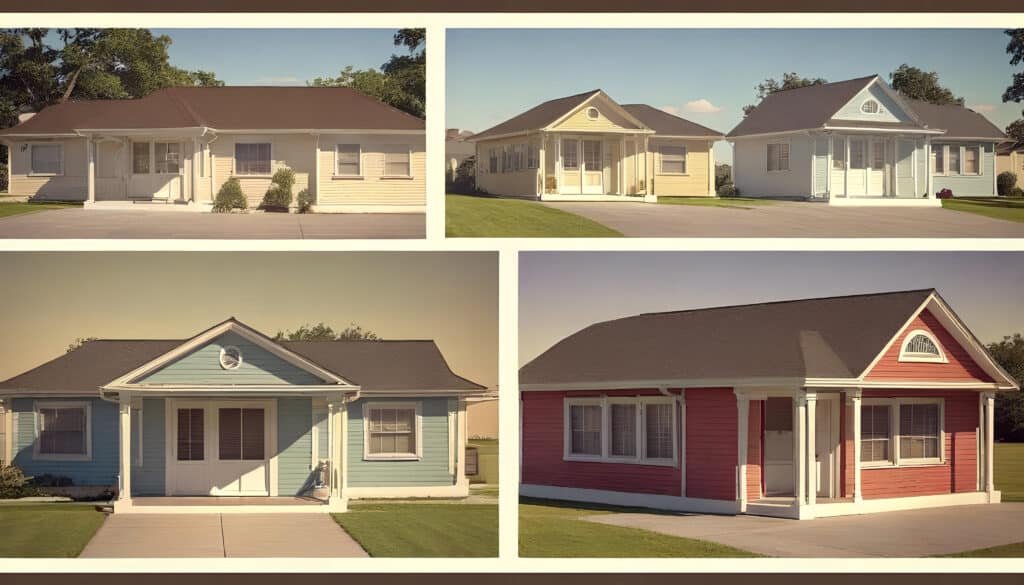
The decline of american bungalows after 1930 resulted from multiple converging factors that changed American housing preferences and construction practices. The Great Depression reduced new construction generally, while changing lifestyle patterns and architectural trends shifted consumer preferences toward larger homes with more private space and modern conveniences.
The rise of ranch houses in the post-World War II era offered similar single-story convenience with more modern layouts, larger rooms, and attached garages that appealed to suburbanizing families. Ranch designs emphasized privacy over community interaction, reflecting changing social patterns that favored automobile-oriented lifestyles over the pedestrian-friendly neighborhoods where bungalows thrived.
Changing family patterns also contributed to bungalow decline, as post-war prosperity enabled families to afford larger homes with separate bedrooms for children and dedicated spaces for new appliances and entertainment systems. The small, open floor plan that made bungalows efficient for 1920s families seemed cramped by 1950s standards.
The revival beginning in the 1990s emerged from historic preservation efforts combined with changing demographic patterns that renewed interest in walkable neighborhoods, smaller homes, and authentic architectural character. Young professionals, empty-nesters, and environmentally conscious buyers discovered that bungalows offered charm, character, and urban convenience unavailable in suburban ranch houses.
Historic preservation initiatives in cities like Pasadena, Chicago, and Portland protected significant bungalow neighborhoods while educating homeowners about appropriate restoration techniques. These efforts demonstrated how careful renovation could adapt bungalows for contemporary living while preserving their essential character.
Modern bungalow construction blends classic style elements with contemporary amenities, creating new homes that capture bungalow charm while meeting current building codes and lifestyle requirements. Architects specializing in traditional styles have developed techniques for adding space and modern conveniences while maintaining authentic proportions and details.
The current appeal to both young families and empty-nesters reflects bungalows’ fundamental advantages: single-story accessibility, manageable scale, strong indoor-outdoor connections, and locations in established neighborhoods with mature trees and walkable amenities. These qualities address contemporary priorities including aging-in-place, environmental sustainability, and community connection.
Living in American Bungalows Today
Modern bungalow living offers significant advantages that appeal to diverse demographics seeking alternatives to suburban sprawl and contemporary housing developments. Single-story accessibility eliminates stairs, making bungalows ideal for aging residents while providing convenience for families with young children. This accessibility feature has gained importance as baby boomers seek homes that accommodate changing mobility needs.
Lower maintenance requirements result from bungalows’ simple roof lines, modest square footage, and durable materials that age gracefully with minimal intervention. Unlike complex contemporary homes with multiple systems and finishes, well-maintained bungalows often require only routine upkeep to preserve their character and functionality.
The strong indoor-outdoor connection created by large porches, terraces, and easy access to gardens supports contemporary lifestyle preferences for outdoor entertaining and gardening. These outdoor spaces effectively expand living area without the cost and complexity of interior additions, providing valuable seasonal rooms in appropriate climates.
Historical character distinguishes bungalow neighborhoods from generic suburban developments, offering mature trees, varied architectural details, and pedestrian-friendly street layouts that create community identity. Many bungalow neighborhoods feature local shops, restaurants, and services within walking distance, supporting car-free lifestyle choices increasingly valued by urban residents.
However, challenges exist for families adapting to bungalow living after experiencing larger contemporary homes. Limited space requires careful organization and may necessitate creative storage solutions, while small kitchens often need renovation to accommodate modern appliances and cooking patterns. Original electrical and plumbing systems typically require updating to meet contemporary safety codes and usage demands.
Renovation complexities arise when attempting to expand or modernize bungalows while preserving their essential character. Adding space often requires careful design to maintain proper proportions, while updating mechanical systems can be complicated by the need to preserve original architectural features and work within existing structural constraints.
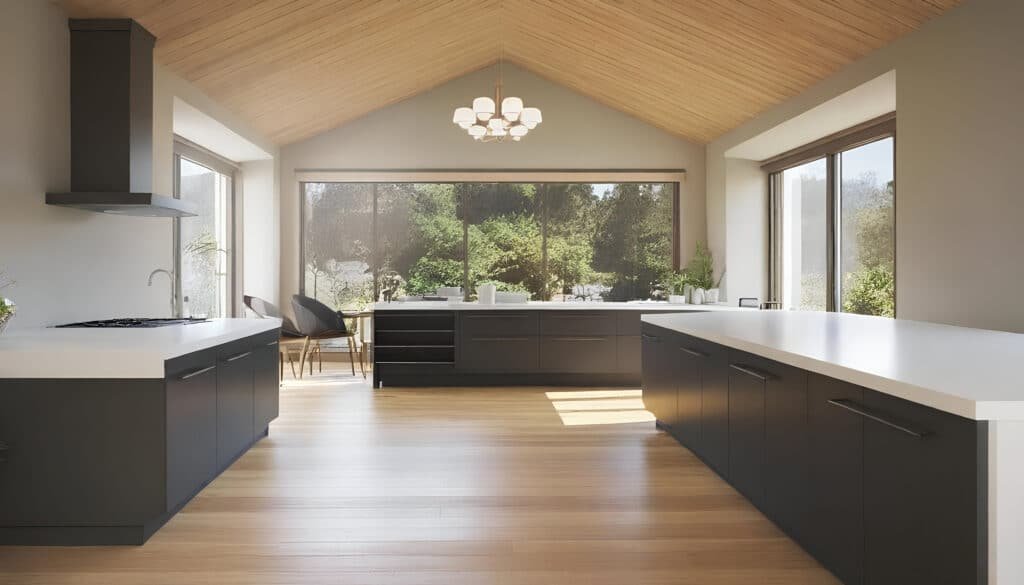
Modern adaptations successfully address many limitations through thoughtful renovation approaches. Kitchen expansions using compatible materials and proportions can create functional modern cooking spaces, while master suite additions designed as separate wings preserve original room relationships while providing contemporary privacy and storage.
Preservation considerations require balancing contemporary needs with historical integrity, particularly in designated historic districts where exterior changes require approval. Successful renovations typically focus on interior improvements while preserving character-defining features like original windows, built-in furniture, and architectural trim.
FAQ
What’s the difference between a bungalow and a ranch house?
While both are primarily single-story homes, bungalows and ranch houses represent distinct architectural philosophies. Bungalows emphasize vertical proportions with steep or medium-pitched roofs, prominent front porches, and community-oriented designs that encourage neighborhood interaction. Ranch houses feature horizontal emphasis with low-pitched or flat roofs, attached garages, and private outdoor spaces like backyard patios. Bungalows typically use traditional materials like wood and stone with handcrafted details, while ranch houses often employ modern materials and emphasize convenience over craftsmanship.
How can you tell if a house is a true bungalow versus just a small house?
Authentic bungalows possess specific architectural elements beyond just size: low pitched roofs with wide overhanging eaves, exposed rafters, prominent front porches supported by tapered columns or substantial piers, and open floor plans emphasizing horizontal space. True bungalows also feature natural materials, built in cabinets, and decorative brackets supporting roof overhangs. Small houses without these defining characteristics may be cottages, minimal traditional homes, or other styles rather than genuine bungalows.
Are bungalows more expensive to heat and cool than two-story homes?
Bungalows can be more efficient to heat and cool due to their single-story design eliminating heat stratification issues common in two-story homes. However, older bungalows may lack modern insulation and energy-efficient windows, potentially increasing utility costs. The large roof area relative to floor space can create cooling challenges in hot climates, though wide overhanging eaves provide natural shading. Many bungalows built during the warm climate areas incorporated passive cooling features like sleeping porches and cross-ventilation that reduce mechanical cooling needs.
What should buyers look for when purchasing a historic bungalow?
Prospective buyers should examine the roof structure for sagging or water damage, particularly around exposed rafters and decorative brackets. Foundation inspection is crucial, especially for pier-and-post porch construction that may require maintenance. Original electrical and plumbing systems often need updating, while windows and built-in furniture should be evaluated for restoration potential versus replacement needs. Buyers should also research any historic district restrictions that might limit renovation options and factor preservation requirements into renovation budgets.
Can modern families comfortably live in original 1920s bungalows without major renovations?
Many families successfully live in original bungalows with minimal modifications, particularly those appreciating compact living and strong indoor-outdoor connections. The open floor plan accommodates contemporary casual lifestyles, while built in cabinets and furniture maximize storage efficiency. However, families requiring extensive storage, large kitchens, or multiple private spaces may find original bungalows limiting without additions or significant interior reconfiguration. Success often depends on matching family size and lifestyle priorities to the home’s inherent characteristics rather than trying to fundamentally change the bungalow’s nature.