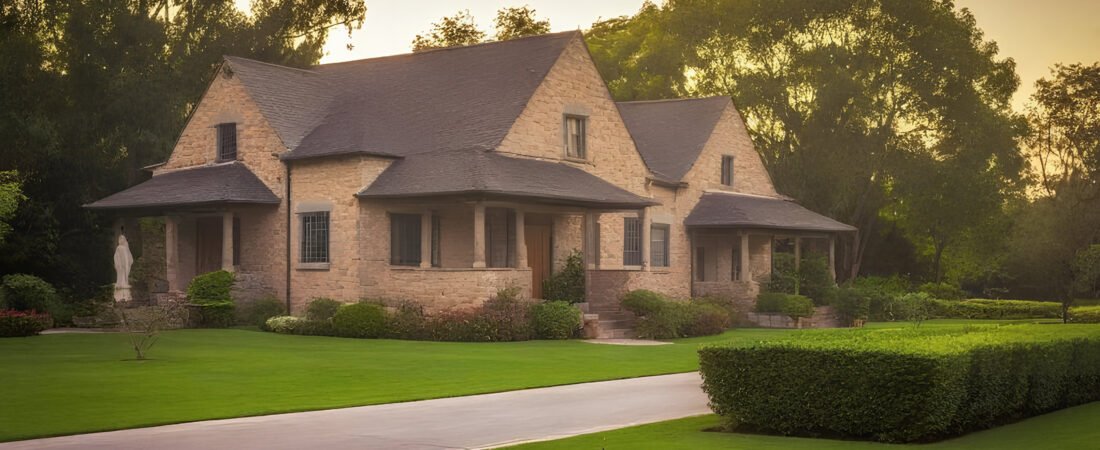
Key Takeaways
- Rustic look homes emphasize natural materials like reclaimed wood, natural stone, and wrought iron to create warm, inviting spaces
- The foundation of rustic design relies on neutral color palettes with earthy tones like warm beiges, soft grays, and rich browns
- Authentic rustic homes balance rough, weathered textures with comfortable furnishings and modern functionality
- Exposed architectural elements such as wooden beams, stone fireplaces, and brick walls are essential rustic design features
- Successful rustic homes connect indoor and outdoor living through large windows, natural lighting, and nature-inspired decorative elements
In an era of sleek minimalism and high-tech living, rustic look homes offer a refreshing return to authentic, nature-inspired design. These homes celebrate the natural beauty of raw materials, creating spaces that feel both timeless and deeply connected to the outdoors. Whether you’re drawn to the rustic charm of a mountain house or the rustic elegance of a modern farmhouse, this comprehensive guide will help you create the perfect rustic style home.
The appeal of rustic homes has surged dramatically in recent years, with rustic and farmhouse aesthetics ranking among the top three most popular residential design preferences, making up roughly 17-23% of reported client preferences for remodels and new builds. This growing trend reflects our collective desire for authenticity, warmth, and a deeper connection to nature in our living spaces.
What Defines a Rustic Look Home
Rustic design philosophy centers on embracing the inherent beauty of natural materials in their most authentic form. Unlike polished contemporary styles, rustic aesthetic celebrates imperfections, weathered textures, and the stories that materials tell through their natural aging process. The rustic style emerged from practical necessity in early rural dwellings, where locally-sourced materials like logs, rough stone, and handmade elements were used to create structures built to withstand environmental challenges.
The historical roots of rustic design stretch back centuries, gaining special cultural momentum in the United States with the popularity of Adirondack camps and log cabins in the 1800s. This tradition continued through the 20th century as country homes and farmhouses became symbols of wholesome, grounded living. Today’s rustic style homes honor this heritage while incorporating modern conveniences and comfort.
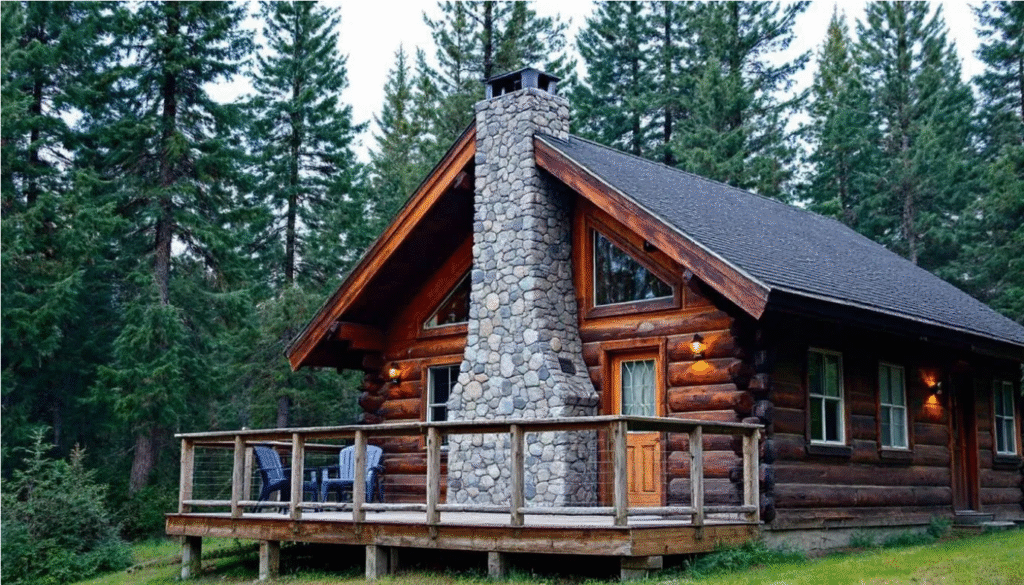
What distinguishes rustic homes from other design styles is their emphasis on authenticity over perfection. Where modern styles might hide structural elements, rustic design celebrates exposed wood beams, visible joinery, and the natural grain patterns in wood. The style prioritizes materials that show their age and origin – reclaimed barn wood, weathered stone, and metals that develop patina over time.
The core philosophy of rustic design creates an intimate connection between indoor comfort and outdoor nature. Large windows frame natural views, natural light floods interior spaces, and the boundary between inside and outside becomes beautifully blurred. This connection to nature isn’t just aesthetic – it’s psychological, creating spaces that feel grounding and restorative.
Essential Exterior Elements for Rustic Homes
The exterior of a rustic style home sets the tone for the entire design, establishing the connection to nature that defines the style. Successful rustic exteriors combine multiple natural materials to create visual interest while maintaining harmony with the surrounding landscape.
Natural Material Combinations
Cedar shake siding paired with fieldstone foundations creates a classic rustic look that ages beautifully over time. The natural oils in cedar provide weather resistance while developing a silvery patina that adds character. For foundations and accent walls, fieldstone sourced locally connects the home to its geographic region and provides the substantial, permanent feeling that anchors rustic design.
Log cabin construction remains the quintessential rustic approach, with options ranging from traditional round logs to squared timber. Modern log homes often feature full-scribe fit with minimal chinking, while more traditional approaches embrace the rustic charm of visible chinking between logs. Staining should enhance rather than hide the natural grain, with colors like honey oak and weathered gray that complement the natural environment.
Board and batten siding offers a more refined rustic approach, especially when combined with barn door accents and functional shutters. This vertical siding pattern creates clean lines while maintaining the rustic connection to agricultural buildings. For durability without sacrificing authenticity, consider James Hardie fiber cement products in wood textures that provide the rustic look with enhanced weather resistance.
Stone siding using local fieldstone or manufactured stone in natural patterns adds substantial visual weight and connects homes to their landscape. When combined with wood elements, stone provides a beautiful contrast in texture while maintaining the natural material palette essential to rustic design.
Roofing and Architectural Features
Standing seam metal roofing in charcoal, forest green, or weathered bronze complements rustic exteriors while providing excellent weather protection and longevity. The clean lines of metal roofing balance the organic textures of wood and stone, while colors inspired by nature integrate seamlessly with rustic aesthetics.
Steep-pitched rooflines serve both practical and aesthetic purposes in rustic house plans. Beyond managing snow loads in mountain climates, steep pitches create dramatic interior volumes perfect for exposing structural elements like rafters and ridge beams. These rooflines also echo traditional barn and cabin construction, reinforcing the agricultural heritage of rustic style. Mountain-style homes often have steep, angular roofs to prevent snow accumulation, making them particularly suited for snowy regions.
Exposed rafter tails and decorative brackets add architectural interest while showcasing the structural beauty of timber construction. These elements should be sized appropriately for the home’s scale – too small and they appear insignificant, too large and they overwhelm the design. Natural wood finishes allow the grain and character of the timber to shine through.
Dormers with functional shutters and window boxes provide both practical and aesthetic benefits. They add natural light to upper floors while creating opportunities for rustic details like hand-forged hardware and wooden flower boxes that can be planted with seasonal displays.
Porches and Outdoor Living Spaces
Wrap-around porches supported by substantial timber posts create the welcoming, inviting atmosphere central to rustic homes. These porches serve as transition spaces between indoor and outdoor living, furnished with comfortable seating and natural materials. Posts should be sized generously – typically 8×8 or larger – to provide the substantial feeling appropriate to rustic design.
Stone bases for porch posts connect the structure to the foundation and provide visual weight that grounds the design. These bases can incorporate local fieldstone or manufactured stone that complements the home’s other masonry elements.
Rustic railings using cedar or pressure-treated pine can incorporate traditional designs like X-pattern braces or more contemporary horizontal slats. Hardware should be galvanized or powder-coated for durability, with black finishes that complement the natural wood tones.
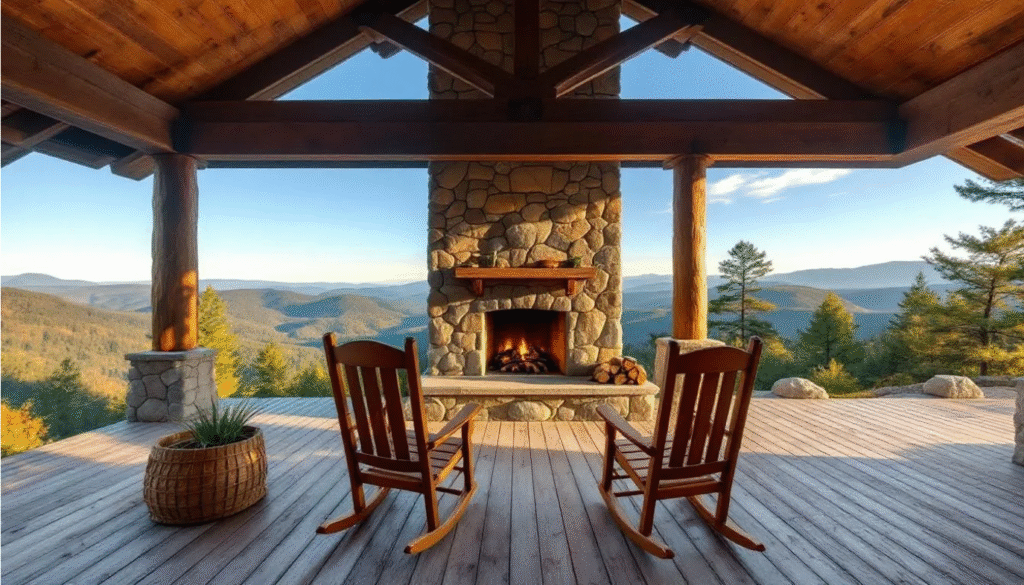
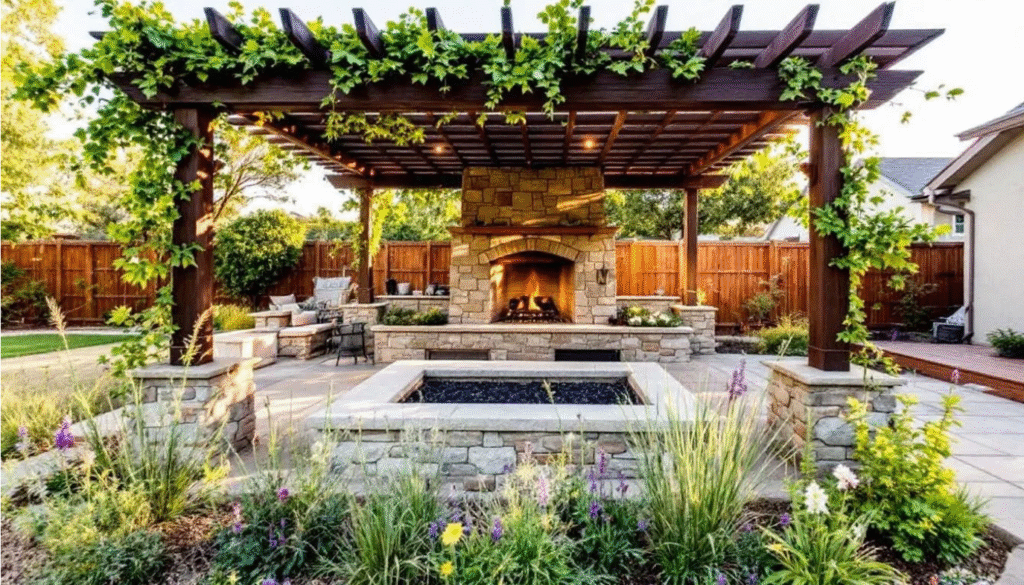
Outdoor fireplaces and fire pits with natural stone surrounds extend the living season and create focal points for gathering. These features work best when constructed with the same stone materials used elsewhere on the home’s exterior, creating design continuity. Fire pits can be built into stone patios or positioned in landscaped areas surrounded by natural seating like log benches.
Pergolas and gazebos constructed from heavy timber provide definition for outdoor entertainment areas while maintaining the connection to nature. These structures can support climbing vines or provide mounting points for outdoor lighting, creating intimate spaces within the larger landscape.
Interior Design Elements for Rustic Homes
The interior of a rustic home should feel like a natural extension of its outdoor environment, with materials and finishes that celebrate rather than conceal their origins. Each room offers opportunities to incorporate rustic elements while maintaining modern functionality and comfort. Rustic interiors embrace texture and imperfections, incorporating elements like rough-hewn wood, uneven stone, and chunky knit blankets to create a tactile richness that enhances the cozy atmosphere.
Living Room Rustic Features
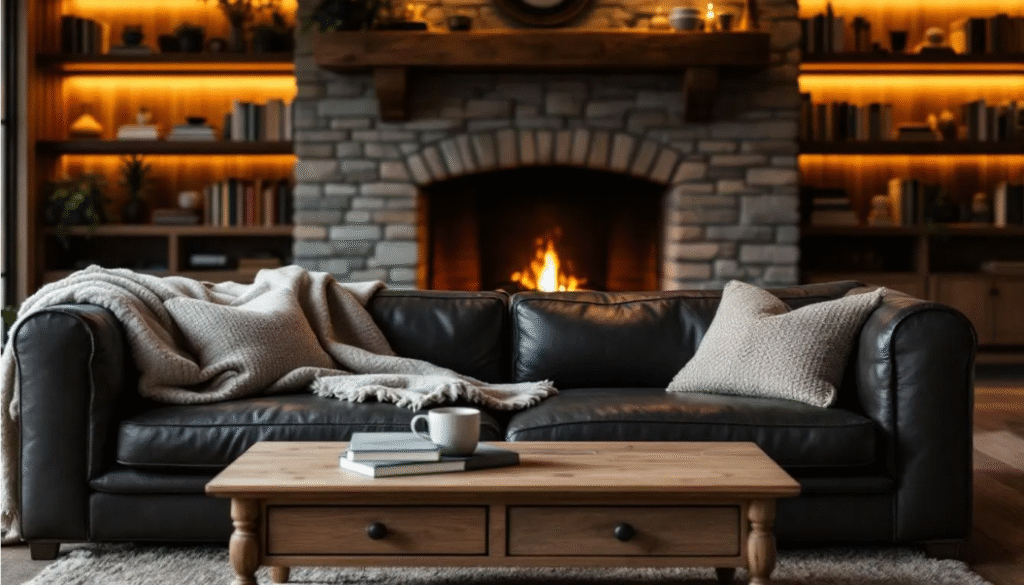
The living room often serves as the heart of rustic homes, centered around a dramatic stone fireplace that provides both practical warmth and visual anchoring. Floor-to-ceiling stone fireplaces using fieldstone, river rock, or manufactured stone create substantial focal points that draw families together. The stonework should extend beyond the firebox to create a true accent wall, with natural variations in color and texture that add visual interest.
Reclaimed wood mantels add warmth and character while providing display space for rustic decor. These mantels work best when they show evidence of their previous life – saw marks, nail holes, or weathering that tells a story. Sizing should be substantial enough to balance the scale of the stone surround.
Exposed beam ceilings using Douglas fir, white oak, or reclaimed barn timbers create dramatic interior architecture while honoring traditional construction methods. These exposed beams work best when they’re actually structural or when faux beams are sized and positioned to appear authentic. Natural finishes that enhance rather than hide the wood grain maintain the connection to natural materials.
Wide-plank hardwood flooring in distressed finishes provides durable beauty that improves with age. Planks should be at least 5 inches wide, with 7-8 inch planks creating even more dramatic impact. Distressing should appear natural rather than manufactured, with variations that suggest years of loving use.
Built-in window seats create cozy reading nooks while maximizing natural light. These can incorporate storage beneath while providing opportunities for natural fabrics like linen or wool in neutral tones. Cushions and throw pillows in plaids or natural textures add comfort while maintaining rustic authenticity.
Kitchen Design for Rustic Appeal
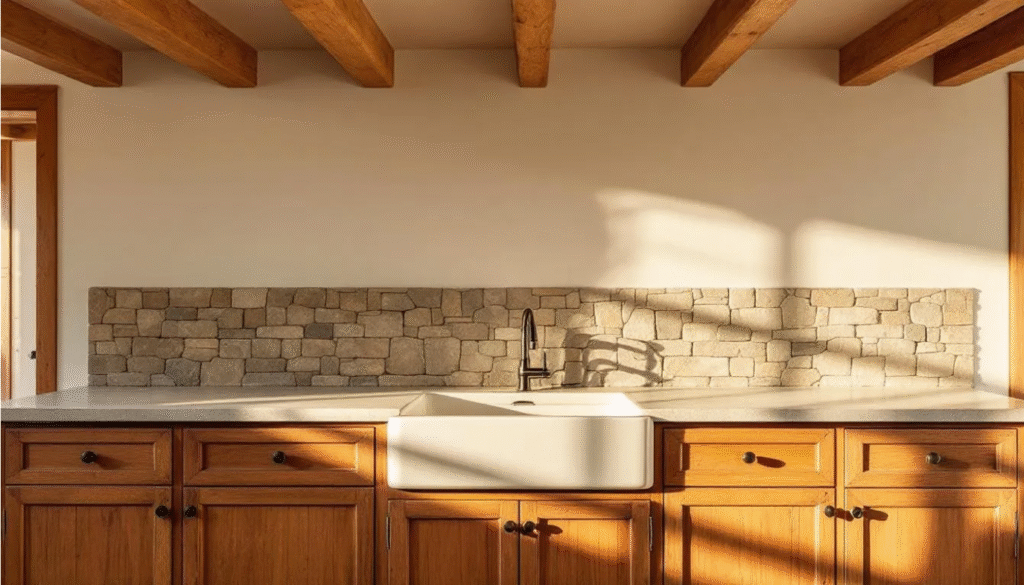
The kitchen in a rustic style home balances functionality with authentic materials, creating spaces that feel both efficient and welcoming. Farmhouse sinks in fireclay or copper serve as dramatic focal points while honoring agricultural traditions. These large, deep sinks provide practical benefits for large families while creating opportunities to showcase rustic charm through their substantial presence and artisanal craftsmanship. Rustic kitchens benefit from natural wood furniture and warm lighting to enhance the inviting atmosphere.
Shaker-style cabinets in painted finishes like sage green, cream, or natural wood tones provide clean lines that complement rather than compete with rustic elements. When painted, colors should be muted and natural rather than bright or artificial. Natural wood finishes work well in darker tones that show grain patterns and natural character.
Butcher block countertops bring warmth and functionality to rustic kitchens while providing surfaces that improve with age and use. These work particularly well around prep areas and islands, while more durable materials like granite or soapstone might be used near the sink or stove.
Natural stone backsplashes using subway tiles in natural finishes, fieldstone, or stacked stone create texture and visual interest while protecting walls from cooking splashes. These should complement rather than match the fireplace stonework, creating visual connections throughout the home.
Open shelving with wrought iron brackets and reclaimed wood creates display opportunities for rustic decor while maintaining easy access to everyday items. These shelves can showcase collections of ironstone, wooden bowls, or woven baskets that add to the rustic atmosphere.
Bedroom and Bathroom Rustic Elements
Bedrooms in rustic homes should feel like peaceful retreats that maintain the connection to natural materials while providing comfort and relaxation. Shiplap accent walls add texture and visual interest while honoring traditional construction methods. These walls work best when painted in soft, neutral colors that complement the overall color palette.
Beadboard wainscoting provides traditional detailing that adds character without overwhelming smaller spaces. This works particularly well in bathrooms and bedrooms, where it can be painted in colors that coordinate with other finishes while providing durable wall protection.
Barn doors for closets and bathroom entrances add rustic charm while providing space-saving functionality. These doors should be sized appropriately for the space and mounted on hardware that can support their weight while operating smoothly. Hardware finishes should coordinate with other rustic elements throughout the home.
Bathroom design in rustic homes can incorporate clawfoot tubs and vessel sinks with natural stone tops to maintain the connection to authentic materials. These fixtures provide luxury while honoring traditional forms and materials. In modern rustic bathrooms, combining natural elements like stone with sleek fixtures creates a spa-like feel, blending rustic charm with contemporary comfort.
Vintage-style lighting fixtures with Edison bulbs provide warm, ambient lighting that enhances the cozy atmosphere of rustic homes. These fixtures should appear authentic rather than merely decorative, with finishes and materials that coordinate with other rustic elements.
Color Schemes and Material Selection
The color palette in rustic look homes should reflect the natural world, creating harmony between interior and exterior spaces while providing a calming, grounding foundation for daily life. The key to successful rustic color schemes lies in layering neutral tones that add depth without creating monotony.
Neutral Foundation Colors
Warm whites like Benjamin Moore Cloud White (OC-130) and Sherwin Williams Alabaster (SW-7008) provide clean backgrounds that enhance natural materials without competing for attention. These colors work particularly well on walls and trim, creating bright, airy spaces that showcase rustic elements like exposed beams and natural stone.
Greige tones such as Sherwin Williams Agreeable Gray (SW-7029) and Accessible Beige (SW-7036) offer sophisticated neutrals that bridge the gap between warm and cool tones. These colors provide flexibility in decorating while maintaining the earthy foundation essential to rustic design.
Natural wood stains in honey oak and weathered gray enhance rather than conceal the natural grain patterns and character marks that make rustic materials special. Stains should be chosen to complement the overall color palette while allowing the natural beauty of the wood to shine through.
The key to layering neutral tones successfully lies in incorporating different textures and finishes that add visual interest. Matte wall finishes can be paired with semi-gloss trim, while natural wood elements add warmth and variation to monochromatic schemes.
Accent Colors from Nature
Forest greens and deep blues inspired by mountain landscapes provide rich accent colors that connect interior spaces to their natural surroundings. These colors work well for front doors, shutters, and accent walls where they can create dramatic focal points without overwhelming the space.
Olive green serves as a versatile accent that coordinates with both warm and cool neutrals while maintaining the connection to nature. This color works particularly well in textiles, accessories, and painted furniture where it can add personality without dominating the overall scheme.
Rust and terracotta tones from southwestern influences bring warmth and richness to rustic color palettes. These earthy colors work well in accessories, artwork, and textiles where they can add visual interest and regional character.
Deep burgundy and plum colors inspired by autumn foliage provide sophisticated accent options that coordinate with neutral foundations while adding depth and richness. These colors work particularly well in dining rooms and bedrooms where they can create intimate, cozy atmospheres.
Furniture and Decor for Authentic Rustic Style
Selecting furniture and accessories for rustic homes requires balancing authenticity with comfort, choosing pieces that tell stories while providing the functionality modern families need. The goal is creating spaces that feel collected over time rather than purchased all at once.
Essential Rustic Furniture Pieces
Live-edge dining tables and coffee tables showcase the natural beauty of wood grain while providing substantial surfaces for gathering and daily life. These pieces work best when they’re sized appropriately for the space and paired with seating that complements rather than matches. Local mills often offer custom options that incorporate regional wood species.
Leather furniture in cognac and tobacco brown finishes provides durable comfort while developing character through use. Quality leather develops patina over time, becoming more beautiful with age – a perfect match for rustic design philosophy. These pieces should be substantial and well-built, designed to last for generations.
Vintage trunks and chests serve dual purposes as storage and display, offering opportunities to incorporate authentic antique pieces or high-quality reproductions. These pieces add character while providing practical storage for blankets, games, or seasonal items.
Adirondack chairs and log furniture work particularly well on porches and in outdoor living areas, maintaining the rustic aesthetic while providing comfortable seating. These pieces can be painted in accent colors or left natural to weather over time.
Textiles and Soft Furnishings
Natural fiber rugs in jute, sisal, and wool materials provide durable foundations that complement rustic interiors while adding texture and warmth. These rugs work well in layered arrangements, with smaller accent rugs over larger natural fiber pieces.
Plaid and buffalo check patterns in flannel and wool honor traditional textile designs while providing visual interest and regional character. These patterns work well in pillows, throws, and window treatments where they can add pattern without overwhelming the space.
Natural fabrics like linen curtains and wool throws add softness while maintaining the connection to natural materials. These fabrics should be chosen in neutral colors that coordinate with the overall color palette while adding texture and comfort.
Woven baskets provide practical storage while adding texture and natural beauty. These can be used throughout the home for organizing everything from firewood to linens, while contributing to the rustic aesthetic.
Lighting and Hardware Selection
Wrought iron chandeliers and pendant lights provide dramatic focal points while honoring traditional metalworking crafts. These fixtures should be sized appropriately for their spaces and chosen in finishes that coordinate with other hardware throughout the home. Warm lighting fixtures, such as iron or copper chandeliers, contribute to the cozy environment of modern rustic homes, enhancing their inviting ambiance.
Antler and driftwood light fixtures add natural elements while providing unique, sculptural beauty. These work particularly well in mountain style homes where they can reinforce the connection to local wildlife and natural materials.
Lantern-style outdoor lighting maintains the rustic aesthetic while providing necessary illumination for safety and security. These fixtures should be chosen in finishes that coordinate with other exterior elements while providing adequate light distribution.
Hardware finishes in oil-rubbed bronze and black iron provide rich, authentic appearances that coordinate with rustic materials while resisting fingerprints and showing wear gracefully. These finishes work well on cabinets, doors, and windows where they can add character while providing smooth operation.
Landscaping and Outdoor Integration
The landscaping around rustic look homes should feel like a natural extension of the surrounding environment, using native plants and natural materials to create seamless transitions between built and natural environments.
Native plant gardens featuring wildflowers and ornamental grasses provide low-maintenance beauty while supporting local ecosystems. These plantings should be chosen to complement the home’s color palette while providing seasonal interest through blooms, foliage, and winter structure.
Flagstone pathways and natural boulder retaining walls create necessary hardscape elements while maintaining the rustic connection to natural stone. These materials should be sourced locally when possible, creating design continuity with the home’s foundation and other stone elements.
Water features using natural stone and recirculating pumps add the soothing sound of moving water while creating focal points in the landscape. These can range from simple bubbling stones to more complex waterfall features, depending on the site and budget.
Outdoor kitchens with stone counters and wood-fired ovens extend the rustic living experience into outdoor spaces, creating opportunities for entertaining and cooking with natural materials. These areas should be positioned to take advantage of prevailing breezes while providing protection from wind and weather.
Budget-Friendly Rustic Design Tips
Creating authentic rustic style doesn’t require unlimited budgets – many of the most effective rustic elements can be achieved through creative sourcing, DIY projects, and strategic splurging on key elements that provide maximum impact.
Reclaimed materials from barns and demolition sites offer authentic character at reasonable costs, though they require time and effort to source and prepare. Building relationships with local demolition contractors and salvage yards can provide access to unique materials with genuine history and character.
Thrift stores and flea markets often yield authentic vintage pieces that add character without the cost of new reproductions. Look for items that show honest wear and craftsmanship – these pieces often become focal points that anchor entire rooms.
DIY projects can create custom rustic elements while controlling costs. Simple projects like building rustic shelving from reclaimed wood or creating barn door hardware from standard materials can add significant character while staying within budget.
Strategic splurging on key elements like a statement fireplace, quality hardwood flooring, or substantial timber beams provides maximum impact while allowing savings on less visible elements. The goal is investing in pieces that will improve with age while providing lasting beauty and functionality.
Phased renovation approaches allow families to tackle rustic improvements over time, spreading costs while maintaining functionality. Start with paint and simple accessories, then progress to larger elements like flooring and built-ins as budget allows.
Frequently Asked Questions
What’s the difference between rustic and farmhouse style homes?
While both styles share a love of natural materials and simplicity, rustic style tends to embrace rougher, more weathered textures and darker color palettes. Farmhouse style typically features cleaner lines, lighter colors with more whites and pastels, and a more polished overall appearance. Rustic homes celebrate imperfections and raw materials, while farmhouse style aims for a more refined, organized aesthetic that still feels welcoming and unpretentious.
How do I maintain wood elements in a rustic home without constant upkeep?
Choose naturally durable wood species like cedar, teak, or pressure-treated pine for exterior elements, and apply appropriate finishes that enhance rather than hide the natural character. For interior elements, use penetrating oil finishes rather than surface coatings – these allow the wood to breathe and age naturally while providing protection. Accept that some weathering and patina development is part of rustic charm rather than a maintenance failure.
Can rustic style work in modern suburban neighborhoods?
Absolutely, but it requires careful balance to avoid looking out of place. Focus on incorporating rustic elements within a more refined framework – use natural materials like stone accents and wood beams, but keep proportions and colors that harmonize with neighboring homes. Modern rustic style blends clean lines with authentic materials, making it perfect for suburban settings where you want rustic warmth without overwhelming traditional neighborhood aesthetics.
What are the best flooring options for high-traffic areas in rustic homes?
Wide-plank hardwood in species like oak or hickory provides durability while maintaining rustic character – choose pre-distressed finishes that will hide normal wear. Natural stone like slate or flagstone works well in entryways and mudrooms. For budget-conscious options, look for luxury vinyl planks that mimic reclaimed wood or ceramic tiles with wood-grain textures. The key is choosing materials that will look better, not worse, as they develop wear patterns over time.
How do I incorporate technology and modern conveniences into a rustic design?
Hide modern technology whenever possible while ensuring functionality isn’t compromised. Build entertainment centers into rustic cabinetry, choose appliances in colors that blend with your palette (black or stainless steel often work better than white), and use cord management systems to keep wiring invisible. For smart home technology, choose devices that can be painted or disguised, and locate control panels in utility areas rather than prominent locations. The goal is maintaining the authentic feel while enjoying modern convenience.