A mid century modern home builder specializes in constructing new homes and executing major renovations as a custom home builder experienced in residential construction that capture the spirit of postwar American architecture. This era, spanning roughly 1945 to 1968, produced some of the most influential residential design in history. Today’s dedicated builders reinterpret those decades of innovation for contemporary life, blending historical fidelity with 21st-century performance standards.
The mid century modern style emerged when architects like Frank Lloyd Wright, Charles and Ray Eames, and Ralph Haver developed a design philosophy centered on simplicity, functionality, and connection to the natural environment, echoing many principles found in the Prairie style house, with its emphasis on horizontal lines and landscape harmony. Their innovative designs rejected the ornate Victorian aesthetics that came before, instead embracing clean lines, flat or low-pitched roofs, open floor plan layouts, and large windows that flood interiors with natural light. The strong indoor-outdoor connection became a hallmark of this architectural design movement, with homes featuring floor-to-ceiling glass and seamless transitions to outdoor living spaces.
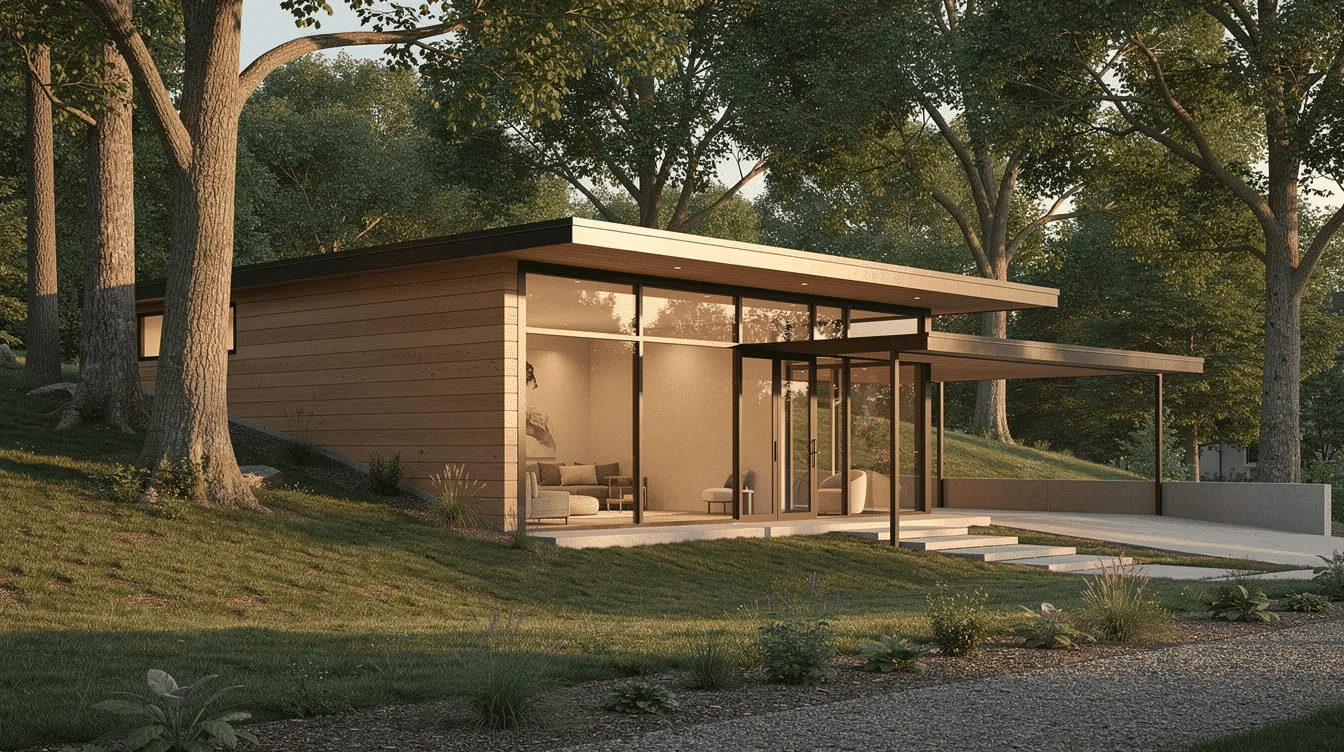
Working with a dedicated mid century modern home builder matters because this style demands specific expertise. Unlike conventional construction, mid century homes require understanding of post-and-beam structure, the integration of natural elements like wood and stone, and the technical knowledge to achieve expansive glazing while meeting modern energy codes. A typical project might resemble a recently completed 2,200 square foot lakefront new build in Eastern Pennsylvania, started in 2024 and completed in 2025 by Studio26 Homes. This custom home utilized an existing foundation to create a two-story, energy-efficient residence featuring regionally harvested red oak flooring, stone veneer and fiber cement siding exteriors, and over 2,000 master carpentry cuts for custom elements. The builder collaborated with architect Richard Pedranti using a design build approach, which streamlines the process for clients seeking mid century modern homes, to deliver what the team described as “retro chic” with vibrant bathrooms and a custom bunk room—demonstrating how a skilled contractor can honor mid century architecture while incorporating contemporary demands.
Whether you’re envisioning a ground-up construction on a suburban lot or a renovation that transforms your entire home, understanding what defines this style and how the building process works will help you achieve your dream house.
What Makes a Home Truly Mid Century Modern?
A truly mid century modern home is defined by a minimalist ethos where form follows function, similar in spirit to the classic ranch style house with its open layouts and indoor-outdoor flow. The style eschews decorative excess in favor of organic modernism—architecture that harmonizes with its environment through thoughtful spatial planning, honest use of materials, and deliberate site integration. When it comes to home construction, mid century modern homes require careful attention to these principles throughout the building process, just as bungalow architecture balances simplicity, low profiles, and strong outdoor connections. These design elements create homes that feel both timeless and thoroughly livable, which explains why demand among homeowners has surged 25% year-over-year according to Google Trends data through 2025.
Core Architectural Elements
The following aspects distinguish authentic mid century homes from other residential styles:
Element | Description | Modern Interpretation |
|---|---|---|
Open Floor Plans | Unobstructed views between living, dining, and kitchen spaces facilitate communal living | Removal of load-bearing walls using steel beams (up to 40 feet) |
Post-and-Beam Structure | Exposed structural elements eliminate interior walls for spatial fluidity | Square steel columns with decorative welded caps as visual focal points |
Floor-to-Ceiling Windows | Massive glass expanses blur indoor-outdoor boundaries | Triple-pane low-E glazed windows with argon fill for energy efficiency |
Rooflines | Flat, low-pitched, angled, or hipped roofs diverging from traditional peaked styles | Cathedral ceiling assemblies with R-30 dense-packed cellulose insulation |
Site Integration | Strategic orientation for privacy from streets while opening to rear landscapes | Homes adapted to topography, whether suburban, urban, or sloped sites |
These elements work together to create open spaces filled with natural light, where the interior design flows seamlessly into the outdoors. A modern home builder ensures these features are faithfully executed in both new construction and renovations, maintaining the integrity of the mid century modern style. A notable example is the Schenley Park renovation by Wildman Chalmers Design, where the company removed four load-bearing walls to open the first floor, installed a glass-and-metal floating staircase that preserved sightlines, and added a second-story master suite with a park-view balcony. The project won Pittsburgh Magazine’s 2021 Best of Design for Renovated Exterior. |
Defining Materials
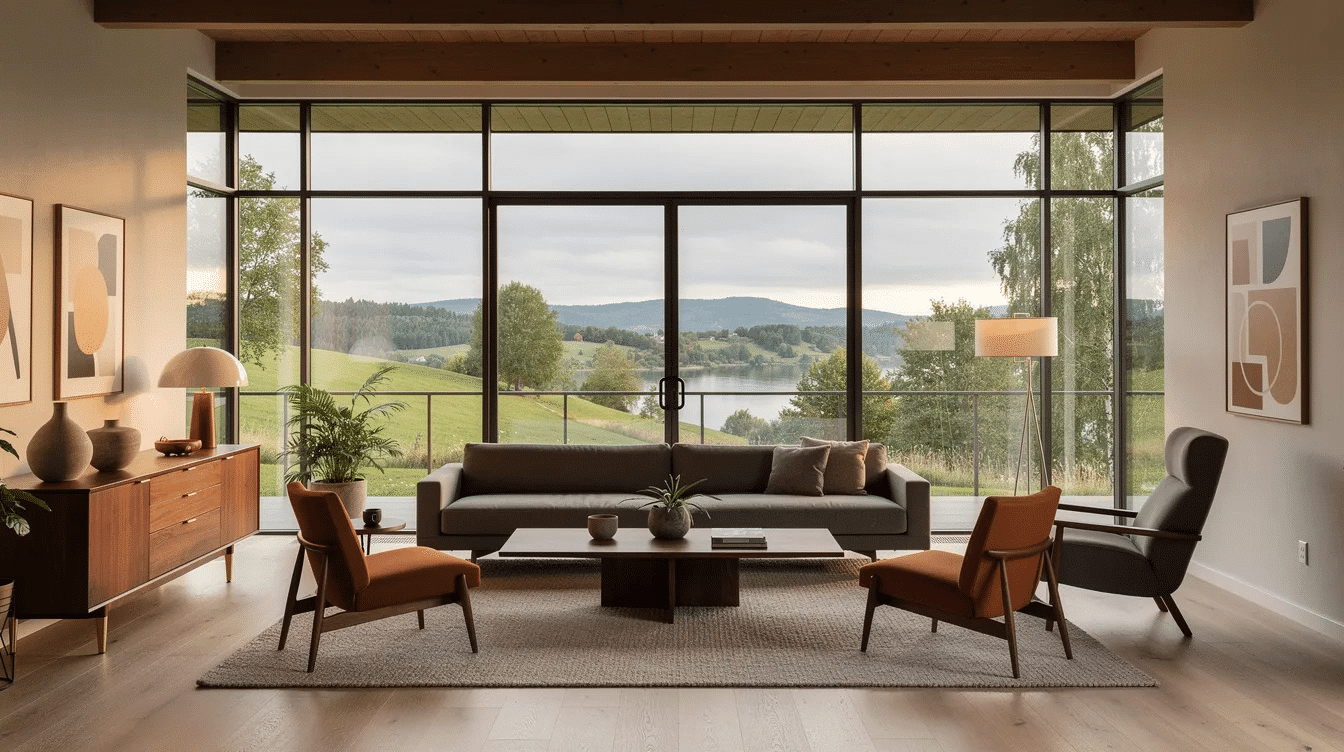
Mid century style relies on honest expression of materials—what you see is what the structure actually uses. The art of this architecture lies in celebrating rather than concealing construction elements.
Common materials include:
- Exposed Wood: Redwood for exterior applications, walnut for cabinetry and flooring. Recently, builders have focused on regionally harvested options like red oak over tropical hardwoods for sustainability.
- Natural Stone: Used for fireplaces, accent walls, and exterior veneers. The Schenley Park project featured a custom stone fireplace complementing walnut floors throughout.
- Brick Accents: Often left exposed to provide texture and visual warmth, complementing elevated house types such as raised bungalow plans with bright lower levels and wide porches.
- Terrazzo Flooring: Durable with subtle patterning, this floor material was developed during the mid century period and remains popular for its longevity.
- Concrete Elements: Used for foundations and accent features, providing grounded heft that contrasts with lighter glass and wood, much like the structural systems in metal building homes with wrap around porch that combine steel frames with inviting outdoor living.
- Steel: Exposed structural steel beams become artistic features rather than hidden utilities. George Clemens Architecture’s re-energization project featured 40-foot steel beams with welded caps as a focal point of the ceiling space.
- Glass: The defining material of mid century modern architecture, enabling walls of windows that merge interior and exterior environments.
These materials offer several advantages. Wood brings warmth and connects the house to nature. Stone and concrete provide durability measured in decades. Glass creates the light-filled spaces that define the lifestyle associated with this style. When furniture pieces from designers like Eames are added, the space becomes a cohesive expression of mid century ideas. Authentic use of these materials is a key selling point for mid century modern homes for sale.
Technical Considerations for Modern Builds
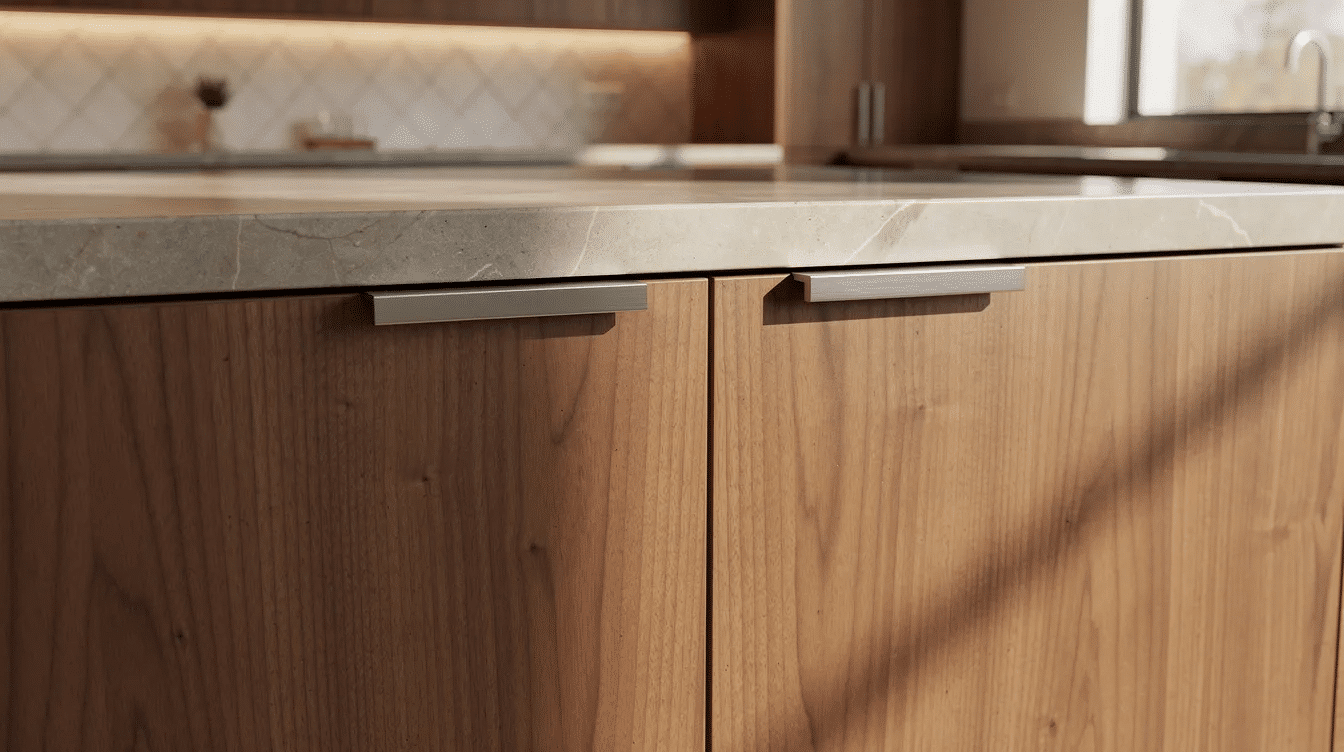
Building or renovating a mid century modern home today requires balancing aesthetic authenticity with contemporary performance. Modern construction techniques allow builders to achieve the original vision while exceeding current energy codes. Utilizing detailed mid century modern house plans is essential to ensure both the aesthetic and technical requirements are met throughout the process.
Key technical aspects include:
- Energy-Efficient Glazing: Triple-pane windows with low-E coatings and argon fill can add 20-40% to fenestration budgets but reduce heating loads by 30-50%
- Advanced HVAC Systems: Energy recovery ventilators (ERVs) achieving 80% heat recovery efficiency
- High-Performance Insulation: R-30 wall assemblies using dense-packed cellulose in cathedral ceilings
- Super-Tight Building Envelopes: Whole-house air cleaners and state-of-the-art electronics integration
- Passive Solar Design: Large southern-facing windows for passive solar gain, with strategic overhangs preventing overheating
From Kansas City to Pittsburgh, specialized builders and designers understand that quality interior finishes must pair with quality building science. Clients working with firms like Madia Homes receive homes featuring 10-foot pivot doors and 11-foot-tall sliding walls that create stunning bath and living spaces without sacrificing energy performance.
The process of building a mid century modern home typically involves close collaboration between builder, architect, and homeowner. Quantitative data supports the investment: modern mid century renovations boost property values 15-25% in markets like Pittsburgh, while energy features can cut utility bills by 40% compared to code-minimum builds.
Challenges and Solutions
Building in this style presents specific challenges that require expertise:
Challenge | Solution |
|---|---|
Skilled labor shortages for post-and-beam | Partner with builders specializing in mid century construction |
Higher upfront costs ($400-600 per square foot vs. $320-460 for traditional) | Phase projects or prioritize high-impact features |
Retrofitting originals with asbestos or outdated wiring | Work with experienced renovation contractors |
Overheating from extensive glazing | Low-E coatings and strategic overhangs |
Structural surprises in renovations | Expert builders who can adapt to conditions |
Working with experienced mid century modern contractors is invaluable for overcoming these unique challenges, as they bring specialized knowledge and problem-solving skills to the table. |
Outstanding examples demonstrate these solutions in action. The George Clemens Architecture project unified a divided first floor with a 40-foot steel beam, relocating the kitchen and adding nine-foot-tall sliding glass doors for entertainment. The builder created an indoor/outdoor bar beneath skylights, earning client praise for proactive design iteration and quality oversight throughout the construction process.
Whether your vision involves a lakefront retreat or an urban renovation that transforms existing structure into something exceptional, or even a high-elevation getaway guided by mountain house designs and alpine architecture principles, partnering with a dedicated mid century modern home builder ensures the craftsmanship and technical expertise needed to bring mid century ideas to life in the modern built environment.