Key Takeaways
- Log ranch homes combine single-story ranch architecture with authentic log construction, creating accessible living spaces with rustic charm and modern functionality
- These homes feature open floor plans, great rooms with vaulted ceilings, covered porches, and large windows that maximize natural light and outdoor connections
- Popular floor plans range from 1,200 square feet for small families to 4,500+ square feet luxury designs, with walkout basement options for sloped building sites
- Construction costs typically range from $150-$400 per square foot depending on log type, customization level, and whether you choose DIY packages or turnkey builds
- Leading log home companies like Coventry, Satterwhite, and Southland offer specialized ranch designs with decades of experience and comprehensive support throughout the building process
- Log home materials are often sourced from sustainable forests to ensure environmental responsibility, aligning with the values of many homeowners.
What Are Log Ranch Homes
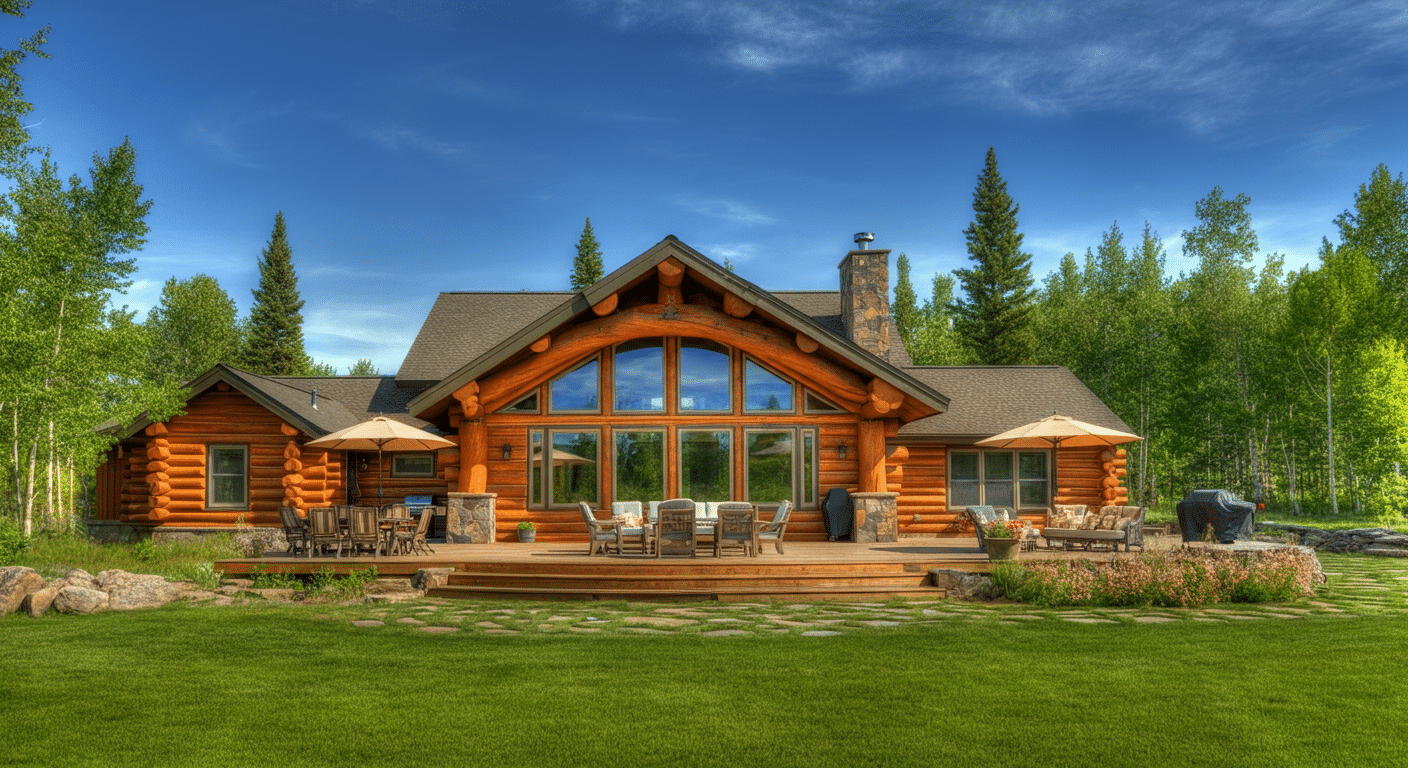
Log ranch homes represent a unique fusion of two beloved American architectural traditions. These single-story structures combine the horizontal emphasis and sprawling layouts of ranch-style architecture with the natural beauty and thermal efficiency of traditional log construction. Unlike multi-story log cabins that emphasize vertical living, ranch-style log homes spread across the landscape with long, low profiles that create an immediate sense of welcome and accessibility.
The ranch architectural style first gained popularity in the 1950s as American families sought practical, comfortable homes that connected indoor and outdoor living. When adapted for log home construction, this design philosophy creates structures that maintain the rustic authenticity of log walls while offering the convenience and functionality that modern families demand. These homes typically feature full log exterior walls, though some designs incorporate timber frame construction or hybrid methods that combine logs with conventional framing for specific areas. Traditional ranch homes, by contrast, are built with conventional framing materials and are more common in suburban settings.
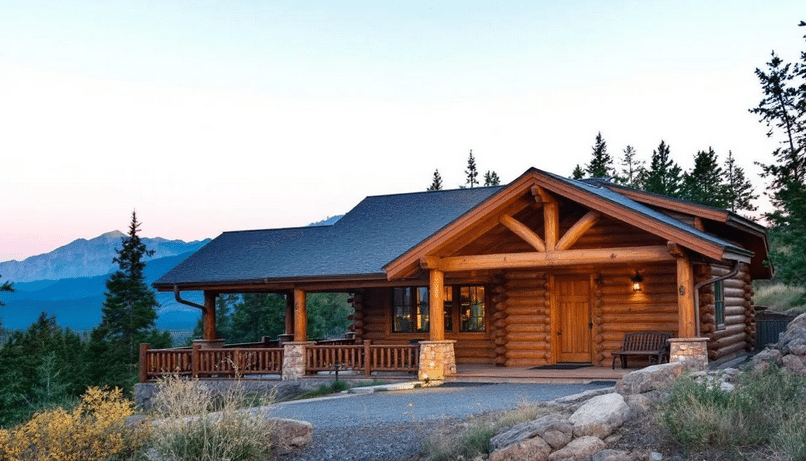
The defining characteristic of any log ranch home is its commitment to single-level living. This design choice eliminates the need for stairs, making these homes ideal for families with young children, elderly residents, or anyone planning to age in place. The horizontal layout allows for generous room sizes and flowing connections between living spaces, creating homes that feel both intimate and expansive.
Design Features of Log Ranch Homes
The heart of any well-designed log ranch home lies in its open floor plan concept. These layouts typically connect living rooms, dining areas, and kitchens in expansive great room configurations that can span 30 feet or more. This open-concept approach eliminates unnecessary walls while maintaining defined spaces for different activities, creating homes that work beautifully for both daily family life and entertaining friends. Log ranch homes can also incorporate modern hybrid options like glass and stone, blending traditional log aesthetics with contemporary design elements for a more versatile and inviting atmosphere. Balancing materials like stone features with softer materials further enhances the welcoming ambiance of these homes.
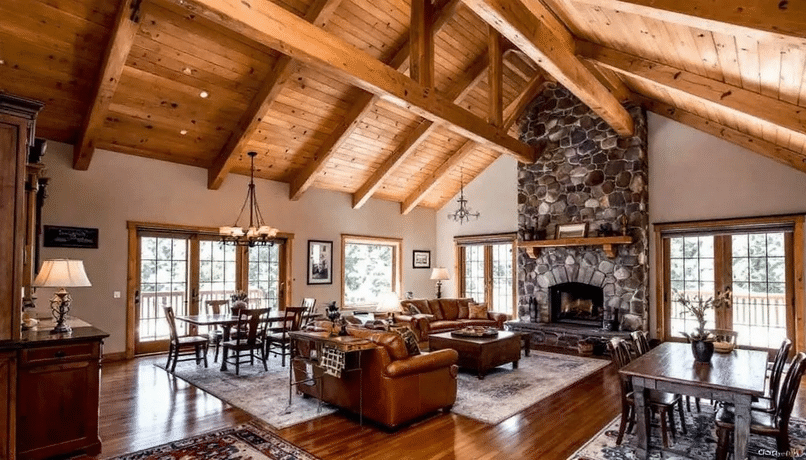
Vaulted or cathedral ceilings represent another signature feature of log ranch homes. These soaring spaces showcase exposed log beams and timber work that would be impossible to appreciate in conventional ceiling heights. Many designs incorporate tongue-and-groove planking between the exposed beams, creating visual interest while maintaining the natural wood aesthetic that defines log home living. The additional ceiling height also allows for dramatic lighting options and helps circulate air more effectively throughout the home. Douglas Fir is often used for these structural elements due to its strength and high durability, ensuring the ceilings remain both functional and visually striking.
Large windows and sliding glass doors serve multiple purposes in ranch-style log homes. These expansive glass areas maximize natural light penetration, which is especially important in single-story designs where rooms might otherwise feel closed-in. Floor-to-ceiling windows in living areas create stunning views of surrounding landscapes, while sliding doors provide seamless transitions to outdoor living spaces. This emphasis on natural light and outdoor connections reflects the ranch tradition of integrating homes with their natural settings.
Covered porches represent perhaps the most beloved feature of log ranch homes. Front porches create welcoming entry sequences that invite visitors to linger and appreciate the home’s natural materials. Back decks and wraparound porches extend living space outdoors, providing shaded areas for dining, relaxation, and outdoor entertaining. These covered spaces prove invaluable in all climates, offering protection from sun and rain while maintaining the connection to nature that draws people to log home living.
Master bedroom suites in log ranch homes often feature some of the most dramatic design elements. Walk-in closets provide generous storage without requiring separate dressing rooms, while private bathrooms frequently incorporate log accent walls that maintain the rustic aesthetic. Many designs position master suites away from common areas and guest bedrooms, creating quiet retreats that take advantage of the best views and morning light.
Popular Log Ranch Home Floor Plans
Small ranch cabins typically range from 1,200 to 1,800 square feet, making them perfect starter homes or retirement retreats. These compact designs usually include 2-3 bedrooms and 1-2 bathrooms arranged around a central great room. Despite their modest size, these floor plans maximize every square foot through efficient layouts that eliminate wasted hallway space. Many include covered front porches and optional rear decks that effectively expand the living area into outdoor spaces. In colder climates, a more compact design with fewer exterior walls can be more energy-efficient, helping to retain heat and reduce energy costs.
Medium ranch homes spanning 1,800 to 2,800 square feet offer the space that most families need for comfortable living. These floor plans typically feature great rooms with adjacent formal dining areas, master bedroom suites with private bathrooms, and 2-3 additional bedrooms that work perfectly for children or guests. Kitchen designs in this size range often include islands or peninsulas that provide additional workspace while maintaining the open connection to living areas.
Large luxury ranch designs represent the pinnacle of single-story log home living, with floor plans ranging from 3,000 to 4,500 square feet or more. These homes often feature multiple master suites, allowing for guest accommodations that rival hotel quality. Entertainment areas might include dedicated media rooms, wine cellars, or hobby spaces that cater to specific interests. Despite their substantial size, these homes maintain the accessible, single-level philosophy that defines ranch living.
Walkout ranch homes deserve special consideration for families building on sloped lots. These designs position the main living level at grade on the uphill side while exposing the lower level on the downhill slope. This configuration creates opportunities for recreation rooms, additional bedrooms, or workshop spaces without expanding the home’s footprint. The walkout lower level often includes separate entrances and can function as guest quarters or rental space.
L-shaped and U-shaped ranch layouts create some of the most interesting design possibilities for log homes. These configurations naturally define outdoor courtyard spaces that provide privacy and create intimate outdoor rooms. The different wings can separate public and private areas, allowing for quiet bedroom zones while maintaining open great rooms for family activities and entertaining.
Benefits of Ranch-Style Log Homes
Accessibility advantages represent the most significant benefit of choosing a ranch-style log home design. Single-level living eliminates the daily challenge of navigating stairs, making these homes ideal for families planning to age in place. This accessibility extends beyond mobility concerns – single-story homes simply feel more connected, allowing parents to supervise children more easily and creating homes where all spaces feel naturally integrated rather than separated by floor levels.
Lower heating and cooling costs provide another compelling reason to choose ranch-style log homes. The single-story design eliminates the stack effect that draws warm air upward in multi-story homes, creating more even temperatures throughout all living spaces. The thermal mass of log walls helps moderate temperature swings, reducing the load on heating and cooling systems. Many homeowners discover that their ranch-style log homes require smaller HVAC systems than conventional homes of similar square footage.
Easier maintenance represents a practical advantage that becomes more appreciated over time. Single-story homes allow homeowners to clean their own gutters safely, perform routine roof inspections, and handle exterior log treatments without requiring professional services for basic upkeep. This accessibility reduces long-term maintenance costs and allows homeowners to stay more involved in caring for their homes.
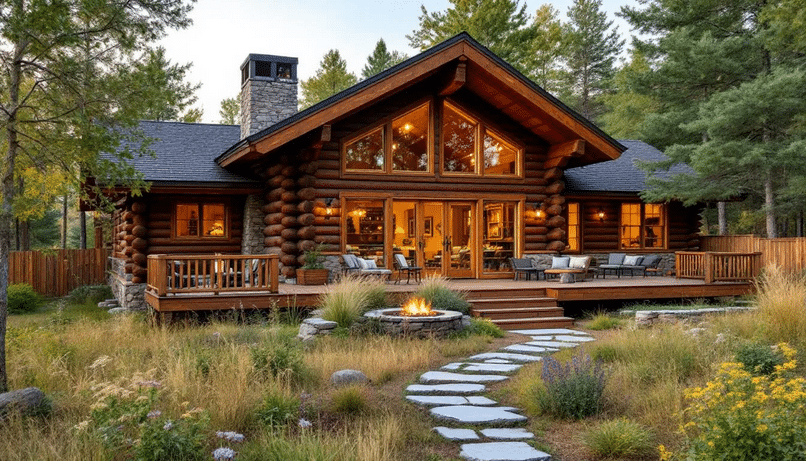
Better integration with landscaping and outdoor living spaces comes naturally with ranch-style designs. The single-story profile allows homes to nestle into their sites rather than dominating them, creating opportunities for gardens, outdoor kitchens, and recreational areas that feel connected to the home rather than separated from it. Patios and decks at grade level create seamless transitions between indoor and outdoor living that enhance both spaces.
Family-friendly layouts make ranch-style log homes particularly appealing for families with children. Bedrooms remain accessible to common areas, allowing parents to monitor young children while managing household tasks. The open floor plans create sight lines throughout the home that help families stay connected even when engaged in different activities. Guest bedrooms positioned near family areas make visiting friends and relatives feel more integrated into daily family life.
Log Construction Methods for Ranch Homes
Full Log Construction
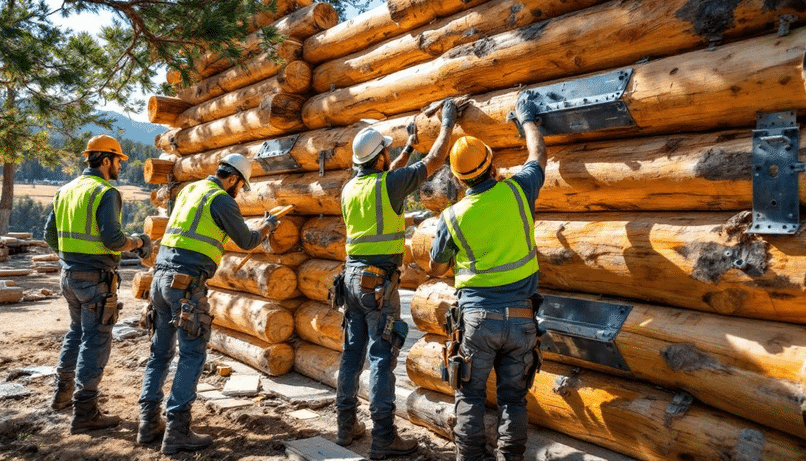
Handcrafted log homes represent the traditional approach to log construction, using full logs for all exterior walls with time-tested notching methods. Each log is individually selected, shaped, and fitted to create walls that showcase the natural variation and character of the timber. Traditional notching techniques like the Swedish cope and saddle notch create strong, weather-tight connections while displaying the craftsman’s skill. These methods produce homes with distinctive character that reflects the builder’s individual style and the natural properties of each log. Handcrafted log homes tend to offer better quality than manufactured options due to the attention to detail involved in their construction.
Manufactured log packages offer a more predictable approach to full log construction. These systems use pre-cut logs that arrive on site numbered and ready for assembly according to detailed instructions. The precision manufacturing process ensures consistent log dimensions and perfectly fitted joints, reducing construction time and the skill level required for assembly. Many companies offer these packages for popular ranch floor plans, allowing customers to choose from proven designs while customizing finishes and details.
Different corner systems create distinctly different appearances in log ranch homes. Swedish cope corners create smooth, flowing lines where logs meet, emphasizing the natural curves of the timber. Saddle notch systems display more of the traditional log cabin aesthetic, with log ends extending beyond the corner intersection. Butt-and-pass corners create clean, contemporary appearances that work especially well with ranch-style designs that emphasize horizontal lines.
Timber Frame Ranch Homes
Post-and-beam timber frame structure offers an alternative approach that combines exposed timber elements with other construction methods. These systems use large timber posts and beams to create the structural framework, then fill the walls with conventional framing, log siding, or other materials. This approach allows for larger open spans in great rooms and eliminates some of the settling issues associated with full log construction.
Hybrid designs represent a popular compromise that combines full log walls in key areas with conventional framing in others. Many ranch homes use full logs for exterior walls and great room areas while framing bedrooms and utility areas conventionally. This approach reduces costs while maintaining the log aesthetic in the most important spaces. It also allows for easier installation of plumbing and electrical systems in framed areas.
The structural advantages of timber frame construction allow for architectural features that might be difficult with full log walls. Vaulted ceilings can span greater distances without intermediate support, and large window installations become easier to frame and install. Many timber frame ranch homes incorporate clerestory windows or other dramatic glazing systems that would be challenging with traditional log construction methods.
Top Log Home Companies for Ranch Designs
Coventry Log Homes has built a reputation as one of the leading suppliers of ranch-style log home packages since 1993. With 31 years of experience in the industry, Coventry offers factory-direct packages that eliminate dealer markups while providing comprehensive support throughout the building process. Their ranch floor plans range from cozy 1,200-square-foot designs to sprawling 4,000-square-foot luxury homes. Customers consistently praise the company’s knowledgeable support team and the quality of their pre-cut log packages. Southland Log Homes offers expertly crafted log cabin kits designed for comfort and outdoor living, further expanding the options available to homeowners. Satterwhite Log Homes, America’s leading producer of log homes, sources its logs from dead standing timber, ensuring superior stability and reduced settling.
Southland Log Homes specializes in custom ranch designs that incorporate great room layouts and modern building technologies. Their design team works closely with customers to create floor plans that fit specific sites and lifestyle needs. Southland’s construction methods emphasize energy efficiency and structural integrity while maintaining traditional log home aesthetics. The company’s reputation for quality construction and customer support has made them a preferred choice for discerning homeowners seeking custom ranch-style log homes.
Satterwhite Log Homes brings nearly 50 years of experience to ranch-style log home construction, using dead standing timber that provides superior stability and reduced settling. Their construction methods produce homes that require minimal maintenance while delivering the authentic log home experience that customers expect. Satterwhite’s floor plans emphasize practical layouts that work well for families, with great rooms designed for daily living and entertaining.
Meadowlark Log Homes has specialized in traditional ranch designs since 1976, using flat-on-flat log building methods that create smooth interior and exterior walls. Their construction approach emphasizes craftsmanship and attention to detail that results in homes built to last for generations. The company’s long history in the log home industry has allowed them to develop efficient construction methods and strong relationships with suppliers that benefit their customers.
Each of these companies offers different approaches to log ranch home construction, allowing customers to choose the method and support level that best fits their vision and budget. Many provide design services, construction guidance, and ongoing support that help customers navigate the complexity of building a custom log home.
Cost Considerations for Log Ranch Homes
Log packages typically represent the starting point for understanding log ranch home costs, with materials-only packages ranging from $50 to $150 per square foot. These packages include the logs, hardware, and basic materials needed to construct the log shell but require customers to provide foundation, roofing, windows, doors, and all interior finishes. The wide cost range reflects differences in log size, species, and manufacturing methods, with handcrafted logs commanding premium prices compared to manufactured alternatives.
Complete turnkey construction costs range from $200 to $400 per square foot, depending on the level of finishes and site conditions. These figures include everything needed to create a move-in-ready home, from site preparation through final inspections. Luxury finishes, remote building sites, and complex architectural details can push costs toward the upper end of this range, while simpler designs and accessible sites help control expenses.
Foundation costs for ranch homes often exceed those for multi-story designs due to the larger footprint required to achieve the same square footage. A 2,400-square-foot ranch home requires significantly more foundation than a 1,200-square-foot two-story home with the same living space. However, ranch foundations are typically simpler to construct since they don’t need to support multiple floor levels, potentially offsetting some of the increased material costs.
Roof costs present another area where ranch designs may require larger investments. The greater surface area of single-story homes means more roofing materials and labor compared to multi-story designs. However, ranch roofs are typically easier and safer to install and maintain, potentially reducing long-term costs. The low-pitched roofs common in ranch designs may also allow for less expensive roofing materials compared to steep slopes.
Site preparation and utilities may cost more for ranch designs due to their sprawling layouts. Longer distances from utility connections to various parts of the home can increase electrical and plumbing installation costs. However, single-story construction eliminates the need for plumbing and electrical systems to travel between floors, potentially simplifying some installation requirements.
Building Your Log Ranch Home
Choosing between DIY log packages, shell packages, or turnkey construction represents one of the first major decisions in the building process. DIY packages appeal to experienced builders and those seeking maximum cost control, but require significant construction knowledge and project management skills. Shell packages provide a middle ground, with the log home company completing the structural elements while customers handle interior finishing. Turnkey construction offers the least hassle but requires the largest investment.
Selecting the appropriate foundation type depends on local soil conditions, climate, and customer preferences. Full basement foundations work well in northern climates and provide valuable storage and utility space. Crawl space foundations offer good access to utilities while requiring less excavation than full basements. Slab-on-grade foundations provide the most economical option in appropriate climates but limit future expansion possibilities.
Planning electrical and plumbing layouts early in the design phase proves critical for efficient installation. Log construction can make it challenging to run utilities after walls are complete, so detailed planning prevents expensive modifications later. Many log home companies provide specific guidance on utility rough-in requirements that help ensure smooth construction progress.
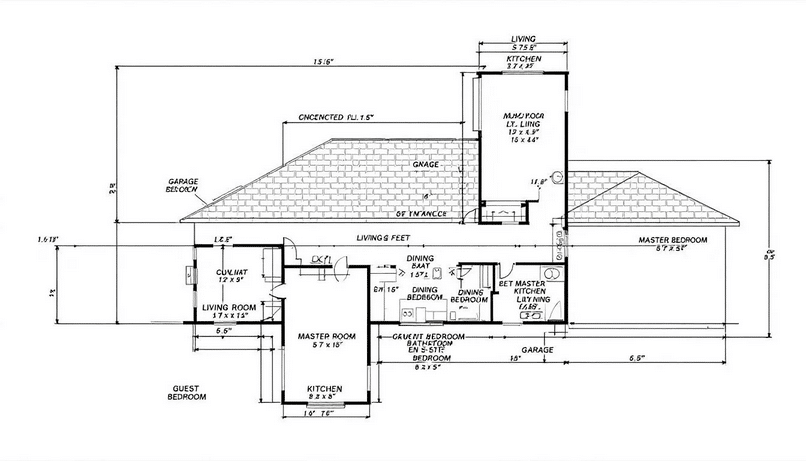
Local building codes and permit requirements vary significantly between jurisdictions, with some areas having specific regulations for log construction. Working with local officials early in the planning process helps identify any special requirements and prevents delays during construction. Many experienced log home companies can provide guidance on navigating permit processes in different areas.
Scheduling log delivery and crane services requires coordination between multiple parties to ensure efficient wall assembly. Most log packages arrive on large trucks that require adequate access roads and turning areas. Crane services may be needed to position logs accurately, especially for larger homes or constrained building sites. Proper scheduling can significantly reduce construction time and costs.
FAQ
Are log ranch homes more expensive than traditional stick-built ranch homes?
Log ranch homes typically cost 15-30% more than conventional construction due to specialized log materials and building techniques. However, they often provide superior energy efficiency through thermal mass benefits and can offer better long-term value through their durability and unique character. Many homeowners find that lower heating and cooling costs help offset the higher initial investment over time.
How much maintenance do log ranch homes require compared to other home types?
Annual maintenance for log ranch homes includes inspecting and treating exterior log surfaces, checking chinking and sealants, and cleaning gutters. Most homeowners can complete these tasks in 1-2 days per year. The single-story design actually makes maintenance easier since roofs, gutters, and upper-level logs remain accessible without special equipment. Regular maintenance preserves the home’s appearance and protects the significant investment in quality materials.
Can log ranch homes be built efficiently in any climate zone?
Log ranch homes perform well in all climate zones when properly designed with appropriate log species, foundation systems, and moisture management details. Cold climates benefit from the thermal mass of log walls, while hot climates take advantage of the natural cooling properties of wood. The key lies in working with experienced designers who understand how to adapt log construction methods to local conditions.
What size logs work best for ranch home construction and visual proportions?
Most log ranch homes use 8-12 inch diameter logs for optimal structural performance and visual appeal. Larger 12-16 inch logs work well for great rooms and main living areas where they help achieve proper proportions in high-ceiling spaces. The single-story design of ranch homes allows flexibility in log sizing since there’s no need to support additional floor levels above.
Do log ranch homes maintain strong resale value in today’s real estate market?
Log ranch homes typically maintain excellent resale value due to their unique character, proven energy efficiency, and appeal to buyers seeking distinctive homes with low-maintenance living options. The combination of rustic charm and accessible single-story layouts attracts diverse buyer demographics, from young families to retirees. Quality construction and proper maintenance ensure these homes appreciate well over time.